Like us on facebook
Follow us on twitter
review us on google

Foot Care for Seniors

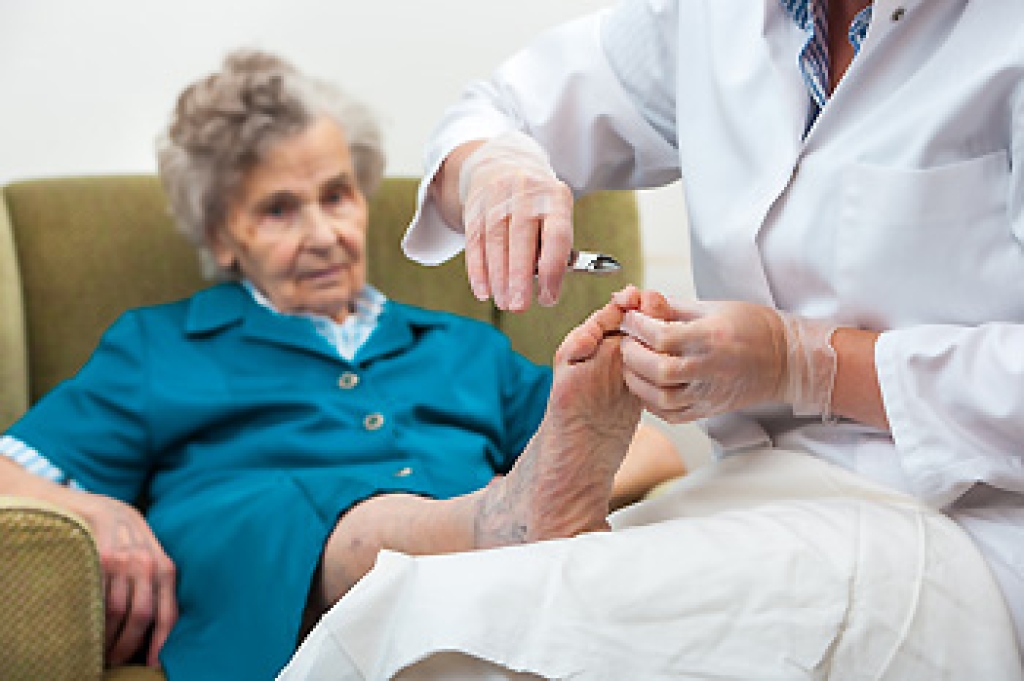
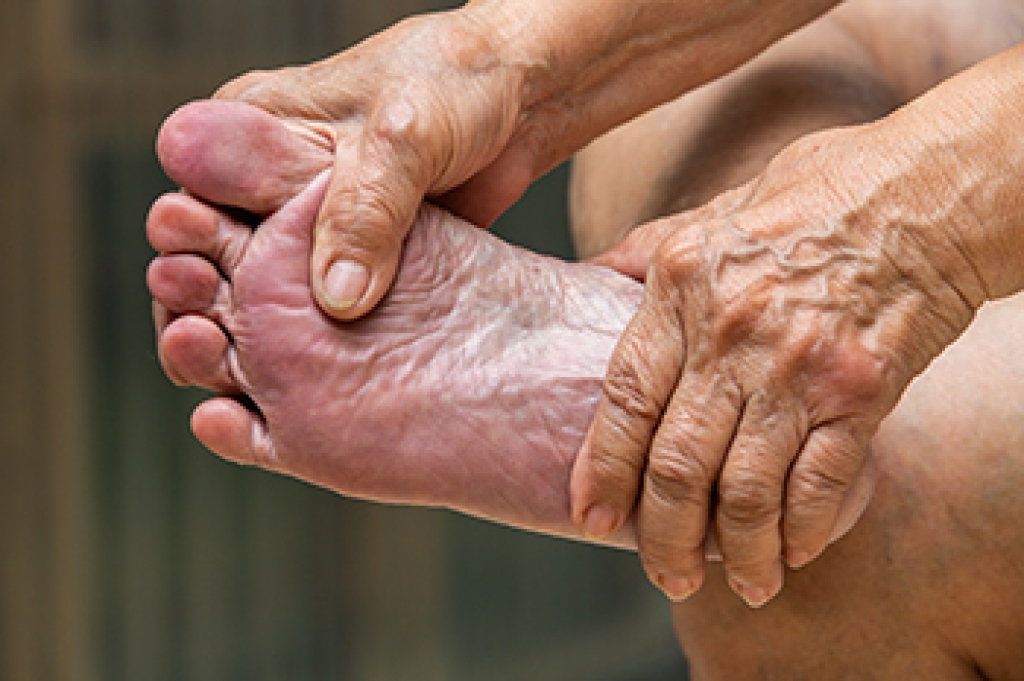
As we age, our feet go through changes like thinning skin, reduced cushioning, and decreased circulation, making them more vulnerable to pain, dryness, and injuries. Conditions like arthritis, bunions, and toenail problems are also more common in older adults. Proper foot care is essential to maintain mobility and overall health. Elderly individuals may struggle to care for their feet due to limited flexibility or vision. Family members and caregivers can help by checking for signs of issues like sores, swelling, or changes in skin or nail appearance. Regularly moisturizing, trimming toenails properly, and ensuring comfortable, supportive footwear can prevent problems. A podiatrist plays a vital role in elderly foot care by diagnosing and treating issues early. They can provide professional nail care, manage chronic conditions, and recommend orthotics to support aging feet. If you are a senior or helping to take care of one, it is suggested that you schedule regular appointments with a podiatrist for care.

Proper foot care is something many older adults forget to consider. If you have any concerns about your feet and ankles, contact Pasquale Cancelliere, DPM from Candria Foot and Ankle Specialists. Our doctor can provide the care you need to keep you pain-free and on your feet.

The Elderly and Their Feet

As we age we start to notice many changes in our body, but the elder population may not notice them right away. Medical conditions may prevent the elderly to take notice of their foot health right away. Poor vision is a lead contributor to not taking action for the elderly.

Common Conditions 

  • Neuropathy – can reduce feeling in the feet and can hide many life-threatening medical conditions.
  • Reduced flexibility – prevents the ability of proper toenail trimming, and foot cleaning. If left untreated, it may lead to further medical issues.
  • Foot sores – amongst the older population can be serious before they are discovered. Some of the problematic conditions they may face are:
  • Gouging toenails affecting nearby toe
  • Shoes that don’t fit properly
  • Pressure sores
  • Loss of circulation in legs & feet
  • Edema & swelling of feet and ankles

Susceptible Infections

Diabetes and poor circulation can cause general loss of sensitivity over the years, turning a simple cut into a serious issue.

If you have any questions, please feel free to contact our offices located in Londonderry, NH and Salem, NH . We offer the newest diagnostic and treatment technologies for all your foot care needs.
Read more about Taking Care of Elderly Feet

Dealing With Peripheral Artery Disease

Peripheral arterial disease, or PAD, is a common complication of diabetes, where poor circulation affects the blood flow to the feet and legs. This reduced circulation can cause the skin to become dry, pale, or even develop ulcers. If left untreated, PAD can lead to serious complications, including infections or amputation. PAD typically results from long-term high blood sugar, which damages blood vessels. The symptoms may include cold feet, slow-healing sores, or numbness. Without proper treatment, the lack of blood flow makes it harder for the body to fight infections and increases the risk of foot ulcers. Once the ulcers form, they can be difficult to heal and are linked to more adverse outcomes, including infections. Regular foot exams, proper wound care, and managing blood sugar levels are key to preventing complications. A podiatrist can help monitor and treat PAD, ensuring the best possible outcomes. If you have foot issues as the result of diabetes, it is suggested that you make an appointment with a podiatrist.

Peripheral artery disease can pose a serious risk to your health. It can increase the risk of stroke and heart attack. If you have symptoms of peripheral artery disease, consult with Pasquale Cancelliere, DPM from Candria Foot and Ankle Specialists. Our doctor will assess your condition and provide you with quality foot and ankle treatment.

Peripheral artery disease (PAD) is when arteries are constricted due to plaque (fatty deposits) build-up. This results in less blood flow to the legs and other extremities. The main cause of PAD is atherosclerosis, in which plaque builds up in the arteries.

Symptoms

Symptoms of PAD include:

  • Claudication (leg pain from walking)
  • Numbness in legs
  • Decrease in growth of leg hair and toenails
  • Paleness of the skin
  • Erectile dysfunction
  • Sores and wounds on legs and feet that won’t heal
  • Coldness in one leg

It is important to note that a majority of individuals never show any symptoms of PAD.

Diagnosis

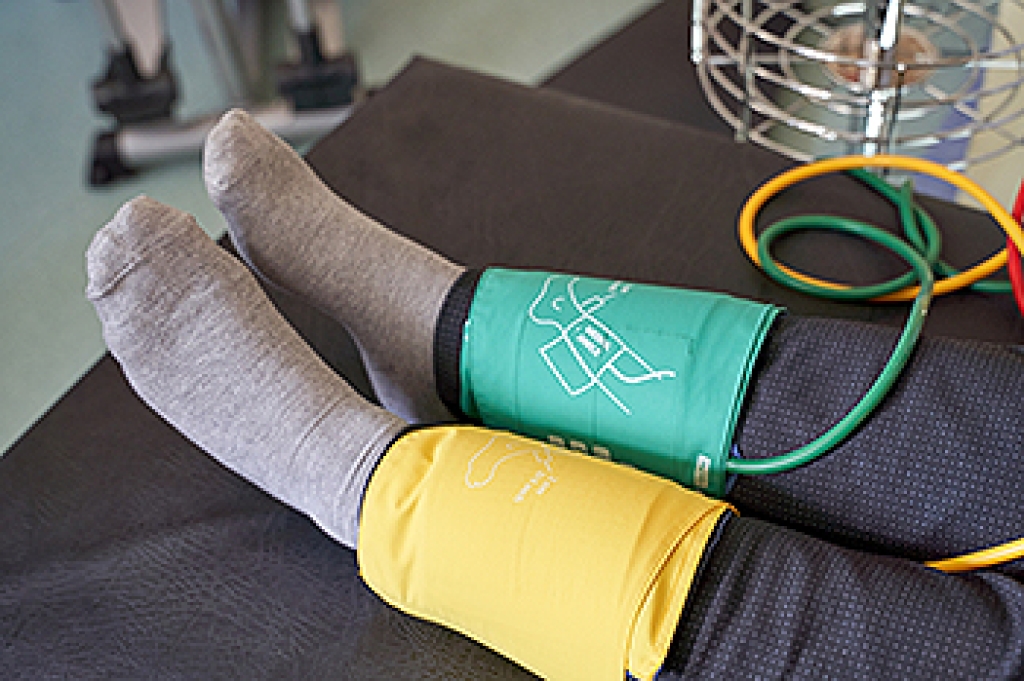
While PAD occurs in the legs and arteries, Podiatrists can diagnose PAD. Podiatrists utilize a test called an ankle-brachial index (ABI). An ABI test compares blood pressure in your arm to you ankle to see if any abnormality occurs. Ultrasound and imaging devices may also be used.

Treatment

Fortunately, lifestyle changes such as maintaining a healthy diet, exercising, managing cholesterol and blood sugar levels, and quitting smoking, can all treat PAD. Medications that prevent clots from occurring can be prescribed. Finally, in some cases, surgery may be recommended.

If you have any questions, please feel free to contact our offices located in Londonderry, NH and Salem, NH . We offer the newest diagnostic and treatment technologies for all your foot care needs.

Read more about Peripheral Artery Disease

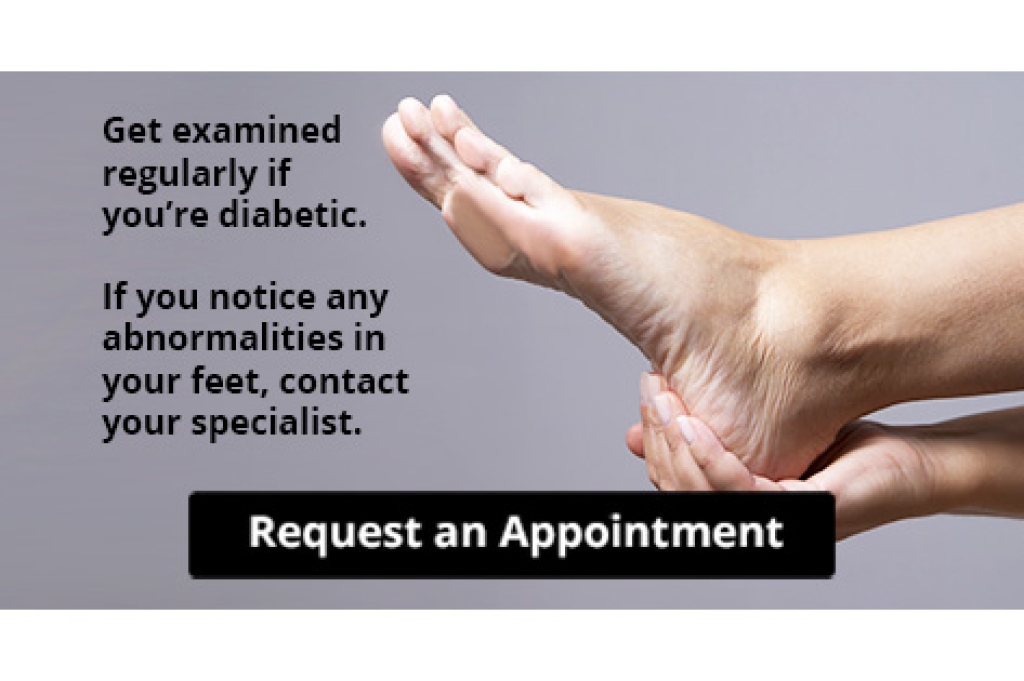
Inspect Your Feet Regularly for Abnormalities if You're Diabetic

Diabetic patients often have decreased sensitivity in their feet, which makes a visual inspection of the feet even more important. If you're diabetic, having periodic screenings is extremely important for maintaining the overall health of your feet. 

High School Sports and Foot Injuries

In high school sports, basketball, soccer, and track are among the top activities causing foot injuries. Basketball involves sudden stops, jumps, and pivots, leading to sprained ankles, stress fractures, and plantar fasciitis. Soccer players, constantly changing direction and coming into contact with other players, are prone to ankle sprains, toe injuries, and heel pain. In track and field, high-impact running, jumping, and repeated pressure on the feet often result in stress fractures, shin splints, and Achilles tendinitis. Injuries happen from overuse, poor conditioning, inadequate footwear, or sudden, intense movements. Prevention includes wearing proper footwear for the sport, warming up effectively, and gradually building strength and flexibility in the feet and ankles. If a foot or ankle injury occurs in your teen child, it is suggested that you visit a podiatrist for an accurate diagnosis and structured treatment plan.

Ankle and foot injuries are common among athletes and in many sports. They can be caused by several problems and may be potentially serious. If you are feeling pain or think you were injured in a sporting event or when exercising, consult with Pasquale Cancelliere, DPM from Candria Foot and Ankle Specialists. Our doctor will assess your condition and provide you with quality foot and ankle treatment.

Common Injuries

The most common injuries that occur in sporting activities include:

  • Achilles Tendonitis
  • Achilles Tendon Rupture
  • Ankle Sprains
  • Broken Foot
  • Plantar Fasciitis
  • Stress Fractures
  • Turf Toe

Symptoms

Symptoms vary depending upon the injury and in some cases, there may be no symptoms at all. However, in most cases, some form of symptom is experienced. Pain, aching, burning, bruising, tenderness, tightness or stiffness, sensation loss, difficulty moving, and swelling are the most common symptoms.

Treatment

Just as symptoms vary depending upon the injury, so do treatment options. A common treatment method is known as the RICE method. This method involves rest, applying ice, compression and elevating the afflicted foot or ankle. If the injury appears to be more serious, surgery might be required, such as arthroscopic or reconstructive surgery. Lastly, rehabilitation or therapy might be needed to gain full functionality in the afflicted area. Any discomfort experienced by an athlete must be evaluated by a licensed, reputable medical professional.  

If you have any questions please contact our offices located in Londonderry, NH and Salem, NH . We offer the newest diagnostic and treatment technologies for all your foot and ankle needs.

Read more about Sports Related Foot and Ankle Injuries

Using a Seated Walker to Prevent Falls

Using a seated walker, also known as a rollator, can significantly enhance mobility and independence for seniors who are at risk of falling. These assistive devices offer the added convenience of a built-in seat, which allows users to rest as needed during longer outings. When selecting a seated walker, it is important to ensure the proper fit for your height and weight to avoid unnecessary strain or discomfort. The height of the handles should promote an upright posture, as prolonged slouching can contribute to back pain or posture issues. Larger wheels may be beneficial for outdoor use on uneven terrain, while smaller wheels are typically sufficient for indoor environments. A podiatrist can provide valuable insights into the selection and proper use of a seated walker, ensuring that your mobility needs are met without compromising foot health. They can also address any foot pain or balance concerns that may arise with extended use of the device. If you need an assistive device to prevent falling, it is suggested that you schedule an appointment with a podiatrist for guidance.

Preventing falls among the elderly is very important. If you are older and have fallen or fear that you are prone to falling, consult with Pasquale Cancelliere, DPM from Candria Foot and Ankle Specialists. Our doctor will assess your condition and provide you with quality advice and care.

Every 11 seconds, an elderly American is being treated in an emergency room for a fall related injury. Falls are the leading cause of head and hip injuries for those 65 and older. Due to decreases in strength, balance, senses, and lack of awareness, elderly persons are very susceptible to falling. Thankfully, there are a number of things older persons can do to prevent falls.

How to Prevent Falls

Some effective methods that older persons can do to prevent falls include:

  • Enrolling in strength and balance exercise program to increase balance and strength
  • Periodically having your sight and hearing checked
  • Discuss any medications you have with a doctor to see if it increases the risk of falling
  • Clearing the house of falling hazards and installing devices like grab bars and railings
  • Utilizing a walker or cane
  • Wearing shoes that provide good support and cushioning
  • Talking to family members about falling and increasing awareness

Falling can be a traumatic and embarrassing experience for elderly persons; this can make them less willing to leave the house, and less willing to talk to someone about their fears of falling. Doing such things, however, will increase the likelihood of tripping or losing one’s balance. Knowing the causes of falling and how to prevent them is the best way to mitigate the risk of serious injury.  

If you have any questions, please feel free to contact our offices located in Londonderry, NH and Salem, NH . We offer the newest diagnostic and treatment technologies for all your foot care needs.

Read more about Falls Prevention

Total Contact Casts for Foot Ulcers

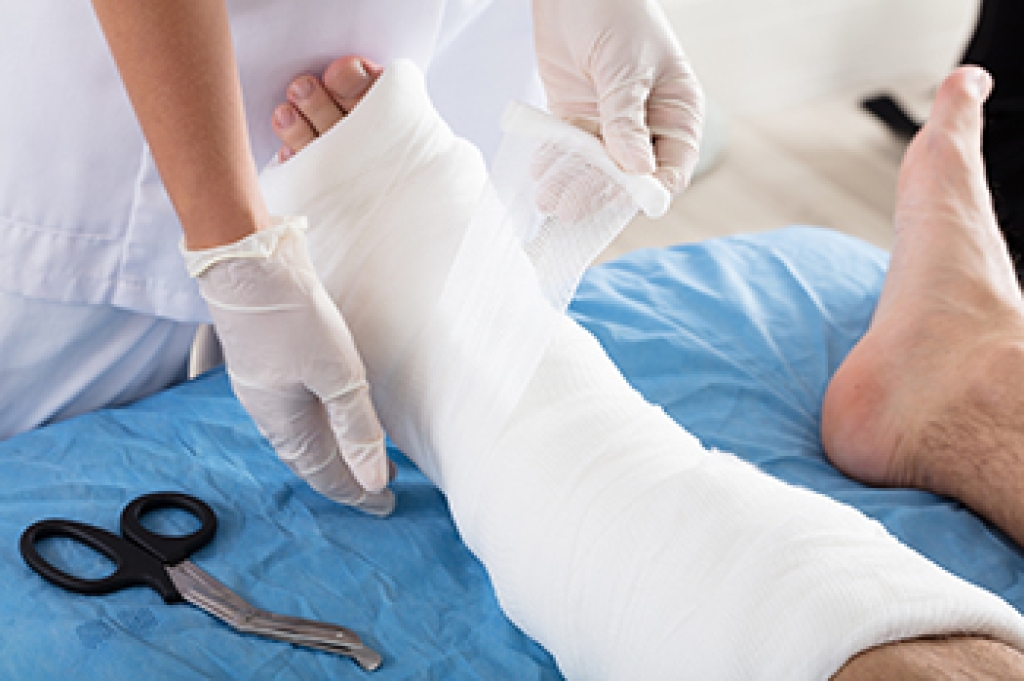
A total contact cast is a specialized treatment option often recommended for people with diabetes who have foot ulcers that do not heal properly. A total contact cast is crafted to closely fit the contours of the foot and leg, allowing for even distribution of weight across the entire sole of the foot. By doing so, it minimizes pressure on ulcerated areas, which is essential for promoting faster healing. Inside the cast, a soft foam layer creates a buffer to reduce any pressure directly on the ulcer. Meanwhile, a bar on the bottom further aids in offloading weight when standing or walking. Since diabetic neuropathy can reduce sensation in the feet, many patients are unaware of developing sores, increasing the risk of ulcers. A podiatrist plays a key role in the application and management of a total contact cast, ensuring it remains secure and monitoring for any signs of complications. If you suffer from foot ulcers related to diabetes, it is suggested that you make an appointment with a podiatrist to find out if a total contact cast is right for you.

Diabetic foot care is important in preventing foot ailments such as ulcers. If you are suffering from diabetes or have any other concerns about your feet, contact Pasquale Cancelliere, DPM from Candria Foot and Ankle Specialists. Our doctor can provide the care you need to keep you pain-free and on your feet.

Diabetic Foot Care

Diabetes affects millions of people every year. The condition can damage blood vessels in many parts of the body, especially the feet. Because of this, taking care of your feet is essential if you have diabetes, and having a podiatrist help monitor your foot health is highly recommended.

The Importance of Caring for Your Feet

  • Routinely inspect your feet for bruises or sores.
  • Wear socks that fit your feet comfortably.
  • Wear comfortable shoes that provide adequate support.

Patients with diabetes should have their doctor monitor their blood levels, as blood sugar levels play such a huge role in diabetic care. Monitoring these levels on a regular basis is highly advised.

It is always best to inform your healthcare professional of any concerns you may have regarding your feet, especially for diabetic patients. Early treatment and routine foot examinations are keys to maintaining proper health, especially because severe complications can arise if proper treatment is not applied.

If you have any questions, please feel free to contact our offices located in Londonderry, NH and Salem, NH . We offer the newest diagnostic and treatment technologies for all your foot care needs.
Read more about Diabetic Foot Conditions

Foot and Ankle Injuries in Kids and Teens

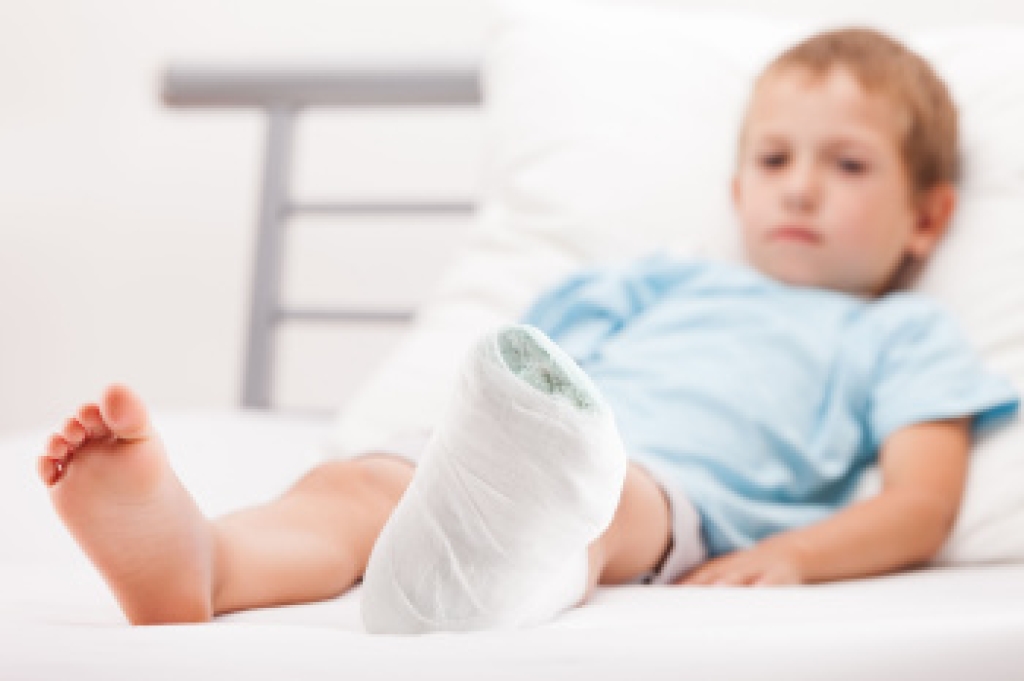
Foot and ankle injuries are common in kids and teens, particularly those involved in sports or physical activities. Growth spurts, active play, and the demands of youth athletics place unique stress on developing bones, ligaments, and tendons. Common injuries include ankle sprains, heel pain, often from Sever’s disease, stress fractures, and overuse injuries from repetitive motion, such as running or jumping. Sever’s disease, or calcaneal apophysitis, occurs when the growth plate in the heel becomes inflamed due to repetitive stress or overuse, causing heel pain and tenderness that often worsens with activity. Symptoms typically include pain, swelling, and difficulty in bearing weight. Treatment often involves rest, and a podiatrist may recommend targeted exercises or custom orthotics. If your child has incurred a foot or ankle injury, it is suggested that you visit a podiatrist for a proper diagnosis and treatment.

Foot and ankle trauma is common among athletes and the elderly. If you have concerns that you may have experienced trauma to the foot and ankle, consult with Pasquale Cancelliere, DPM from Candria Foot and Ankle Specialists. Our doctor will assess your condition and provide you with quality foot and ankle treatment.

Foot and ankle trauma cover a range of injuries all over the foot; common injuries include:

  • Broken bones
  • Muscle strains
  • Injuries to the tendons and ligaments
  • Stress fractures

Symptoms

Symptoms of foot and ankle injuries vary depending on the injury, but more common ones include:

  • Bruising
  • Inflammation/ Swelling
  • Pain

Diagnosis

To properly diagnose the exact type of injury, podiatrists will conduct a number of different tests. Some of these include sensation and visual tests, X-rays, and MRIs. Medical and family histories will also be taken into account.

Treatment

Once the injury has been diagnosed, the podiatrist can than offer the best treatment options for you. In less severe cases, rest and keeping pressure off the foot may be all that’s necessary. Orthotics, such as a specially made shoes, or immobilization devices, like splints or casts, may be deemed necessary. Finally, if the injury is severe enough, surgery may be necessary.

If you have any questions, please feel free to contact our offices located in Londonderry, NH and Salem, NH . We offer the newest diagnostic and treatment technologies for all your foot care needs.
Read more about Foot and Ankle Trauma

Characteristics of Non-Diabetic Foot Ulcers

Non-diabetic foot ulcers are open sores or wounds that can develop on the feet due to various factors, including poor circulation, pressure injuries, or skin conditions like eczema. They can also result from traumatic injuries, prolonged friction from wearing ill-fitting shoes, or neuropathy. Symptoms often include redness, swelling, and pain surrounding the ulcer, along with possible drainage or foul odor. If left untreated, these ulcers can lead to infections or serious complications. A podiatrist can play a critical role in diagnosing and treating non-diabetic foot ulcers. They will assess the ulcer’s condition and underlying causes, often recommending a combination of treatments. Included are wound care, infection control, and offloading techniques to reduce pressure on the affected area. In some cases, advanced therapies like skin grafting or specialized dressings may be necessary. Recovery can vary based on the ulcer's severity. If you or someone you know has a foot ulcer, it is suggested that you schedule an appointment with a podiatrist for proper evaluation and treatment.

Wound care is an important part in dealing with diabetes. If you have diabetes and a foot wound or would like more information about wound care for diabetics, consult with Pasquale Cancelliere, DPM from Candria Foot and Ankle Specialists. Our doctor will assess your condition and provide you with quality foot and ankle treatment.

What Is Wound Care?

Wound care is the practice of taking proper care of a wound. This can range from the smallest to the largest of wounds. While everyone can benefit from proper wound care, it is much more important for diabetics. Diabetics often suffer from poor blood circulation which causes wounds to heal much slower than they would in a non-diabetic. 

What Is the Importance of Wound Care?

While it may not seem apparent with small ulcers on the foot, for diabetics, any size ulcer can become infected. Diabetics often also suffer from neuropathy, or nerve loss. This means they might not even feel when they have an ulcer on their foot. If the wound becomes severely infected, amputation may be necessary. Therefore, it is of the upmost importance to properly care for any and all foot wounds.

How to Care for Wounds

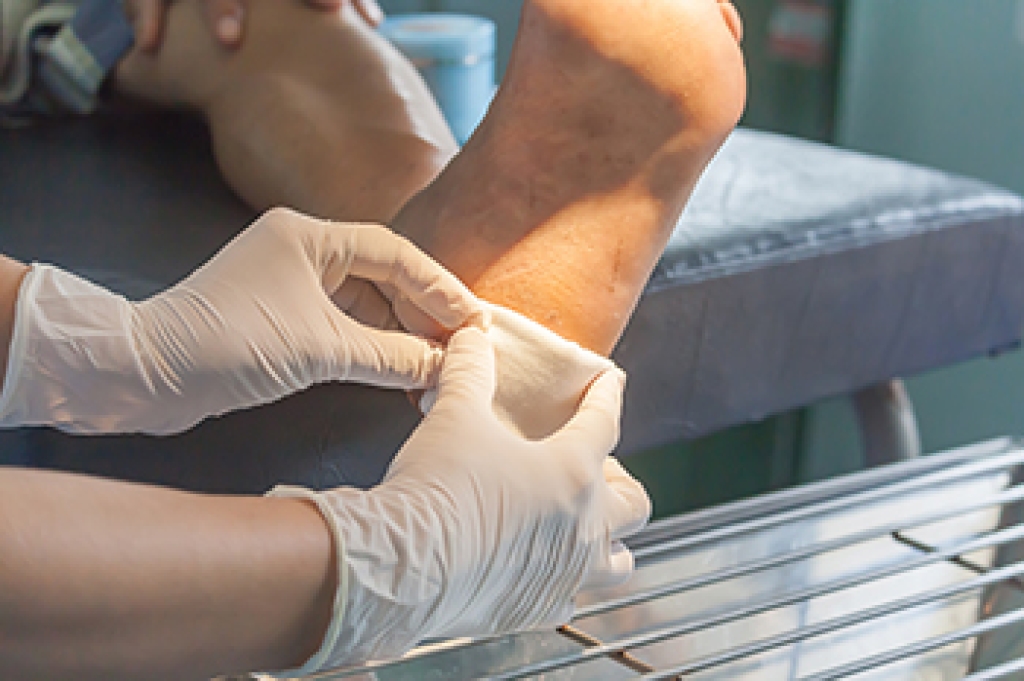
The best way to care for foot wounds is to prevent them. For diabetics, this means daily inspections of the feet for any signs of abnormalities or ulcers. It is also recommended to see a podiatrist several times a year for a foot inspection. If you do have an ulcer, run the wound under water to clear dirt from the wound; then apply antibiotic ointment to the wound and cover with a bandage. Bandages should be changed daily and keeping pressure off the wound is smart. It is advised to see a podiatrist, who can keep an eye on it.

If you have any questions please contact our offices located in Londonderry, NH and Salem, NH . We offer the newest diagnostic and treatment technologies for all your foot and ankle needs.

Read more about Wound Care

Ease Painful Feet With Orthotics

Custom orthotics can be used to relieve foot pain and discomfort. They're also used to treat various foot conditions and deformities. Flat feet, bunions, and Morton's neuroma are just a few of the foot conditions that have been known to benefit from the use of orthotics.

Comfy feet are happy feet! Contact us today.

Elderly Foot Care to Prevent Falls

Footwear plays a vital role in preventing falls among the elderly, who are more prone to balance issues and foot problems. Choosing the right shoes can significantly reduce the risk of falls. Seniors should wear shoes with non-slip soles, good arch support, and a snug fit. Shoes with a low heel and a wide, stable base are ideal for maintaining balance. Avoid walking in slippers, sandals, or shoes with worn-out soles, as they can increase the chance of slipping. Regular foot care is also essential. Keeping toenails trimmed, checking for signs of pain, and addressing conditions like bunions or hammertoes early can improve comfort and stability. If you are elderly, it is suggested that you visit a podiatrist regularly to ensure any underlying foot problems are addressed promptly, helping to maintain mobility and prevent falls.

Proper foot care is something many older adults forget to consider. If you have any concerns about your feet and ankles, contact Pasquale Cancelliere, DPM from Candria Foot and Ankle Specialists. Our doctor can provide the care you need to keep you pain-free and on your feet.

The Elderly and Their Feet

As we age we start to notice many changes in our body, but the elder population may not notice them right away. Medical conditions may prevent the elderly to take notice of their foot health right away. Poor vision is a lead contributor to not taking action for the elderly.

Common Conditions 

  • Neuropathy – can reduce feeling in the feet and can hide many life-threatening medical conditions.
  • Reduced flexibility – prevents the ability of proper toenail trimming, and foot cleaning. If left untreated, it may lead to further medical issues.
  • Foot sores – amongst the older population can be serious before they are discovered. Some of the problematic conditions they may face are:
  • Gouging toenails affecting nearby toe
  • Shoes that don’t fit properly
  • Pressure sores
  • Loss of circulation in legs & feet
  • Edema & swelling of feet and ankles

Susceptible Infections

Diabetes and poor circulation can cause general loss of sensitivity over the years, turning a simple cut into a serious issue.

If you have any questions, please feel free to contact our offices located in Londonderry, NH and Salem, NH . We offer the newest diagnostic and treatment technologies for all your foot care needs.
Read more about Elderly Foot Care
scroll to top