Like us on facebook
Follow us on twitter
review us on google

Relieving Heel Pain From Plantar Fasciitis

Plantar fasciitis is one of the most common causes of heel pain, often felt as a sharp or stabbing sensation with the first steps in the morning or after rest. It results from inflammation of the plantar fascia, the thick band of tissue that supports the arch and connects the heel to the toes. Diagnosis begins with a podiatrist reviewing your symptoms and medical history, followed by a physical exam to check for tenderness and tightness along the bottom of the foot. Imaging such as X-rays may be used to rule out other causes. Treatment typically includes rest, stretching exercises, wearing supportive footwear, or custom orthotics. In more persistent cases, targeted exercises, night splints, or anti-inflammatory treatments may be recommended. Addressing plantar fasciitis early helps prevent chronic pain or altered walking patterns. If heel pain is interfering with your daily life, it is suggested that you see a podiatrist.

Plantar fasciitis is a common foot condition that is often caused by a strain injury. If you are experiencing heel pain or symptoms of plantar fasciitis, contact Pasquale Cancelliere, DPM from Candria Foot and Ankle Specialists. Our doctor can provide the care you need to keep you pain-free and on your feet.

What Is Plantar Fasciitis?

Plantar fasciitis is one of the most common causes of heel pain. The plantar fascia is a ligament that connects your heel to the front of your foot. When this ligament becomes inflamed, plantar fasciitis is the result. If you have plantar fasciitis you will have a stabbing pain that usually occurs with your first steps in the morning. As the day progresses and you walk around more, this pain will start to disappear, but it will return after long periods of standing or sitting.

What Causes Plantar Fasciitis?

  • Excessive running
  • Having high arches in your feet
  • Other foot issues such as flat feet
  • Pregnancy (due to the sudden weight gain)
  • Being on your feet very often

There are some risk factors that may make you more likely to develop plantar fasciitis compared to others. The condition most commonly affects adults between the ages of 40 and 60. It also tends to affect people who are obese because the extra pounds result in extra stress being placed on the plantar fascia.

Prevention

  • Take good care of your feet – Wear shoes that have good arch support and heel cushioning.
  • Maintain a healthy weight
  • If you are a runner, alternate running with other sports that won’t cause heel pain

There are a variety of treatment options available for plantar fasciitis along with the pain that accompanies it. Additionally, physical therapy is a very important component in the treatment process. It is important that you meet with your podiatrist to determine which treatment option is best for you.

If you have any questions, please feel free to contact our offices located in Londonderry, NH and Salem, NH . We offer the newest diagnostic and treatment technologies for all your foot care needs.


 

Read more about Plantar Fasciitis

Understanding and Treating Chronic Foot Wounds

Chronic foot wounds can be difficult to heal and may lead to serious complications, if left untreated. These wounds often result from underlying conditions such as diabetes, poor circulation, or repeated pressure on specific areas of the foot. Proper evaluation involves identifying the cause, assessing the depth and severity of the wound, and checking for signs of infection or tissue damage. Treatment typically includes wound cleaning, pressure relief, infection control, and specialized dressings to support healing. In some cases, advanced therapies like skin substitutes, growth factors, or surgical procedures may be necessary. Regular follow-ups are essential to monitor progress and adjust the treatment plan. Managing chronic wounds requires not only addressing the wound itself but also improving overall foot health and preventing recurrence. If you have a chronic foot wound, it is suggested that you see a podiatrist for a proper diagnosis and treatment.

Wound care is an important part in dealing with diabetes. If you have diabetes and a foot wound or would like more information about wound care for diabetics, consult with Pasquale Cancelliere, DPM from Candria Foot and Ankle Specialists. Our doctor will assess your condition and provide you with quality foot and ankle treatment.

What Is Wound Care?

Wound care is the practice of taking proper care of a wound. This can range from the smallest to the largest of wounds. While everyone can benefit from proper wound care, it is much more important for diabetics. Diabetics often suffer from poor blood circulation which causes wounds to heal much slower than they would in a non-diabetic. 

What Is the Importance of Wound Care?

While it may not seem apparent with small ulcers on the foot, for diabetics, any size ulcer can become infected. Diabetics often also suffer from neuropathy, or nerve loss. This means they might not even feel when they have an ulcer on their foot. If the wound becomes severely infected, amputation may be necessary. Therefore, it is of the upmost importance to properly care for any and all foot wounds.

How to Care for Wounds

The best way to care for foot wounds is to prevent them. For diabetics, this means daily inspections of the feet for any signs of abnormalities or ulcers. It is also recommended to see a podiatrist several times a year for a foot inspection. If you do have an ulcer, run the wound under water to clear dirt from the wound; then apply antibiotic ointment to the wound and cover with a bandage. Bandages should be changed daily and keeping pressure off the wound is smart. It is advised to see a podiatrist, who can keep an eye on it.

If you have any questions please contact our offices located in Londonderry, NH and Salem, NH . We offer the newest diagnostic and treatment technologies for all your foot and ankle needs.

Read more about Wound Care

Foot and Ankle Injuries in Baseball Players

Foot and ankle injuries are common among baseball players due to the sport's dynamic movements, including running, pivoting, and quick direction changes. Ankle sprains, one of the most frequent injuries, occur when the ligaments in the ankle are stretched or torn, usually from rolling or twisting the ankle during sudden movements. These sprains can range from mild to severe, causing pain, swelling, and limited mobility. Other foot injuries, such as stress fractures or tendonitis, may also occur from repetitive stress or wearing improper footwear. To manage these injuries, rest, compression, and elevation are essential for reducing swelling and promoting healing. Preventive measures, such as wearing supportive footwear, warming up properly, and strengthening ankle and foot muscles, can reduce the risk of these injuries. If you have sustained a foot or ankle injury, it is suggested that you consult a podiatrist who can offer you appropriate treatment solutions.

Sports related foot and ankle injuries require proper treatment before players can go back to their regular routines. For more information, contact Pasquale Cancelliere, DPM of Candria Foot and Ankle Specialists. Our doctor can provide the care you need to keep you pain-free and on your feet.

Sports Related Foot and Ankle Injuries

Foot and ankle injuries are a common occurrence when it comes to athletes of any sport. While many athletes dismiss the initial aches and pains, the truth is that ignoring potential foot and ankle injuries can lead to serious problems. As athletes continue to place pressure and strain the area further, a mild injury can turn into something as serious as a rupture and may lead to a permanent disability. There are many factors that contribute to sports related foot and ankle injuries, which include failure to warm up properly, not providing support or wearing bad footwear. Common injuries and conditions athletes face, including:

  • Plantar Fasciitis
  • Achilles Tendinitis
  • Achilles Tendon Rupture
  • Ankle Sprains

Sports related injuries are commonly treated using the RICE method. This includes rest, applying ice to the injured area, compression and elevating the ankle. More serious sprains and injuries may require surgery, which could include arthroscopic and reconstructive surgery. Rehabilitation and therapy may also be required in order to get any recovering athlete to become fully functional again. Any unusual aches and pains an athlete sustains must be evaluated by a licensed, reputable medical professional.

If you have any questions please contact our offices located in Londonderry, NH and Salem, NH . We offer the newest diagnostic and treatment technologies for all your foot and ankle needs.

Read more about Sports Related Foot And Ankle Injuries

Implant Options for Rigid Hammertoe

When it comes to correcting rigid hammertoe deformities, surgery often includes the use of implants to help straighten and stabilize the toe. One important decision in this process is whether to use a permanent implant or one that can be removed later. Permanent implants are designed to stay in place indefinitely, providing long-term support and alignment. They are often chosen for their durability and the convenience of not requiring a second procedure for removal. Removable implants offer flexibility. Once the toe has healed in the proper position, these implants can be taken out, leaving the body free of foreign materials. The choice between permanent and removable implants depends on several factors, including the severity of the deformity, the patient’s lifestyle, and overall health. If you have a painful rigid hammertoe, it is suggested that you obtain a personalized consultation with a podiatrist who will help you determine the most appropriate solution for its correction

Hammertoe

Hammertoes can be a painful condition to live with. For more information, contact Pasquale Cancelliere, DPM from Candria Foot and Ankle Specialists. Our doctor will answer any of your foot- and ankle-related questions.

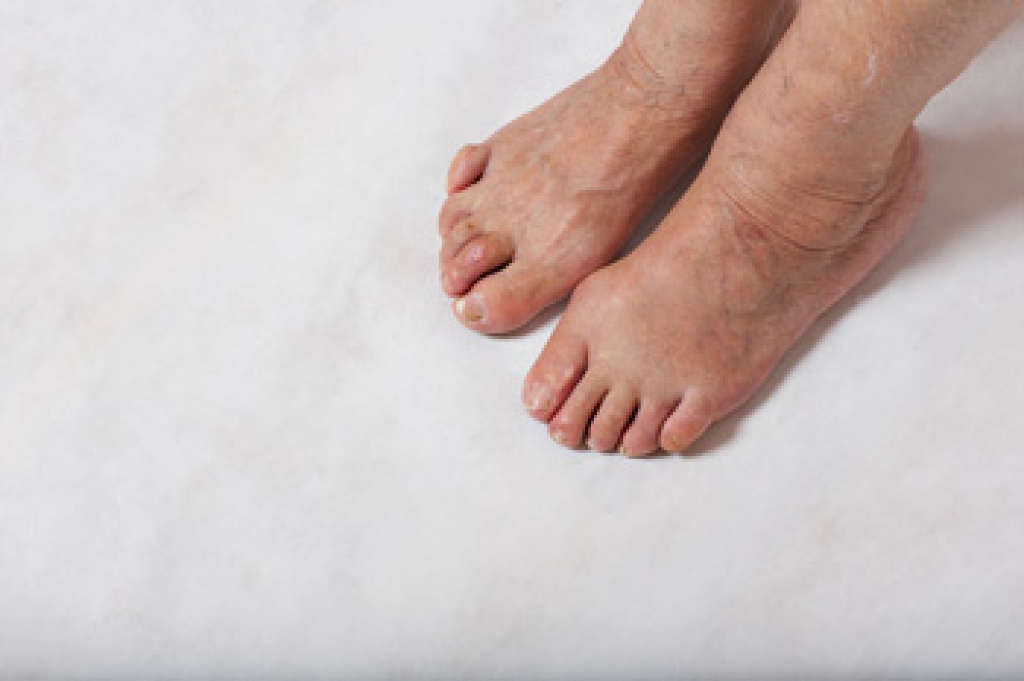
Hammertoe is a foot deformity that affects the joints of the second, third, fourth, or fifth toes of your feet. It is a painful foot condition in which these toes curl and arch up, which can often lead to pain when wearing footwear.

Symptoms

  • Pain in the affected toes
  • Development of corns or calluses due to friction
  • Inflammation
  • Redness
  • Contracture of the toes

Causes

Genetics – People who are genetically predisposed to hammertoe are often more susceptible

Arthritis – Because arthritis affects the joints in your toes, further deformities stemming from arthritis can occur

Trauma – Direct trauma to the toes could potentially lead to hammertoe

Ill-fitting shoes – Undue pressure on the front of the toes from ill-fitting shoes can potentially lead to the development of hammertoe

Treatment

Orthotics – Custom made inserts can be used to help relieve pressure placed on the toes and therefore relieve some of the pain associated with it

Medications – Oral medications such as anti-inflammatories or NSAIDs could be used to treat the pain and inflammation hammertoes causes. Injections of corticosteroids are also sometimes used

Surgery – In more severe cases where the hammertoes have become more rigid, foot surgery is a potential option

If you have any questions, please feel free to contact our offices located in Londonderry, NH and Salem, NH . We offer the newest diagnostic and treatment technologies for all your foot care needs.
Read more about What Are Hammertoes?

How to Identify and Treat a Corn

Corns are hard, thickened areas of skin that typically form on the toes or feet, often with a cone-like shape pointing inward. They develop due to friction and pressure, commonly from wearing ill-fitting shoes, high heels, or repetitive activities like walking or running. The constant pressure causes the skin to thicken as a protective response, leading to pain and discomfort, especially while walking. While home treatments may offer temporary relief, professional care from a podiatrist is often necessary for persistent or painful corns. A podiatrist can remove corns safely and effectively using specialized instruments, reducing the risk of infection or further damage to the skin. This type of doctor can also assess your foot structure, gait, and footwear, identifying underlying causes like bunions, hammertoes, or misalignment. Afterward, they can recommend custom orthotics, proper footwear, or other treatment to prevent future corns. If you have corns on the feet, it is suggested that you schedule an appointment with a podiatrist for an evaluation and safe treatment.

Corns can make walking very painful and should be treated immediately. If you have questions regarding your feet and ankles, contact Pasquale Cancelliere, DPM of Candria Foot and Ankle Specialists. Our doctor will treat your foot and ankle needs.

Corns: What Are They? And How Do You Get Rid of Them?
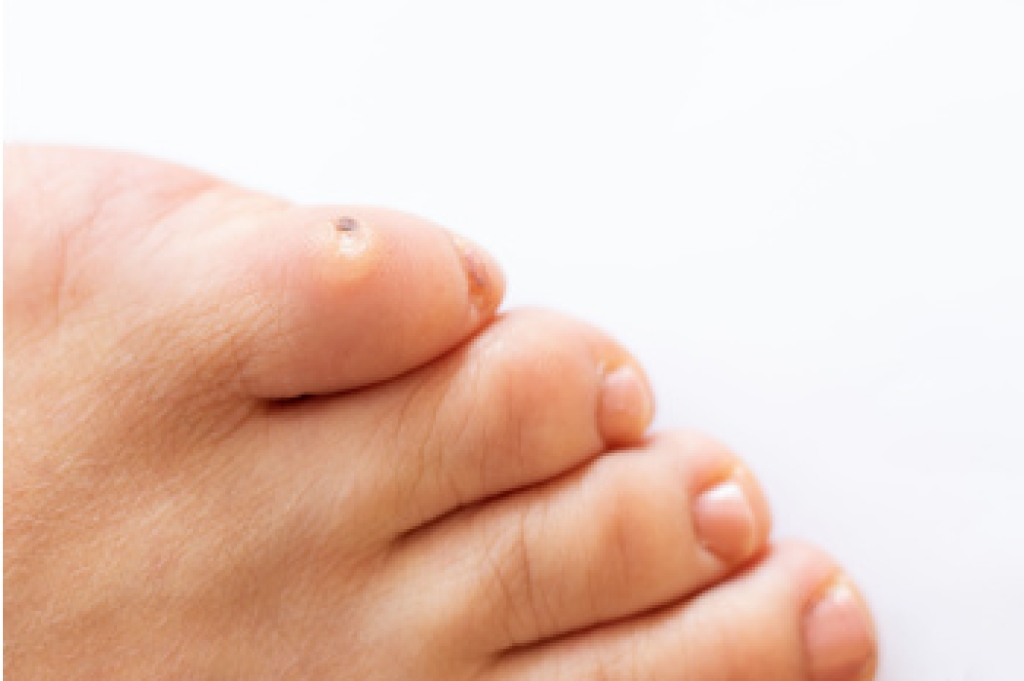
Corns are thickened areas on the skin that can become painful. They are caused by excessive pressure and friction on the skin. Corns press into the deeper layers of the skin and are usually round in shape.

Ways to Prevent Corns
There are many ways to get rid of painful corns such as:

  • Wearing properly fitting shoes that have been measured by a professional
  • Wearing shoes that are not sharply pointed or have high heels
  • Wearing only shoes that offer support

Treating Corns

Although most corns slowly disappear when the friction or pressure stops, this isn’t always the case. Consult with your podiatrist to determine the best treatment option for your case of corns.

If you have any questions, please feel free to contact our offices located in Londonderry, NH and Salem, NH . We offer the newest diagnostic and treatment technologies for all your foot care needs.

Read more about Corns: What Are They, and How Do You Get Rid of Them

Causes and Types of Foot Blisters

Blisters on the feet can develop due to various causes, leading to discomfort and difficulty in walking. Friction from wearing tight or ill-fitting shoes creates repeated rubbing against the skin, resulting in fluid-filled pockets. Excessive heat, such as walking on hot surfaces or prolonged sun exposure, can cause burns that form blisters. Additionally, exposure to extreme cold may lead to frostbite, damaging the skin and leading to blister formation. Chemical irritation from harsh substances or allergic reactions to medications can also contribute to blister development. There are different types of blisters, including those that are clear fluid-filled caused by friction or burns, blood blisters resulting from deeper tissue damage, and infected blisters that appear red, swollen, and filled with pus. Foot blisters can be painful, and may cause difficulty in completing daily activities. If you have a blister on your foot that has become painful, it is suggested that you promptly consult a podiatrist who can offer safe treatment and prevention solutions.

Blisters may appear as a single bubble or in a cluster. They can cause a lot of pain and may be filled with pus, blood, or watery serum. If your feet are hurting, contact Pasquale Cancelliere, DPM of Candria Foot and Ankle Specialists. Our doctor can provide the care you need to keep you pain-free and on your feet.

Foot Blisters

Foot blisters are often the result of friction. This happens due to the constant rubbing from shoes, which can lead to pain.

What Are Foot Blisters?

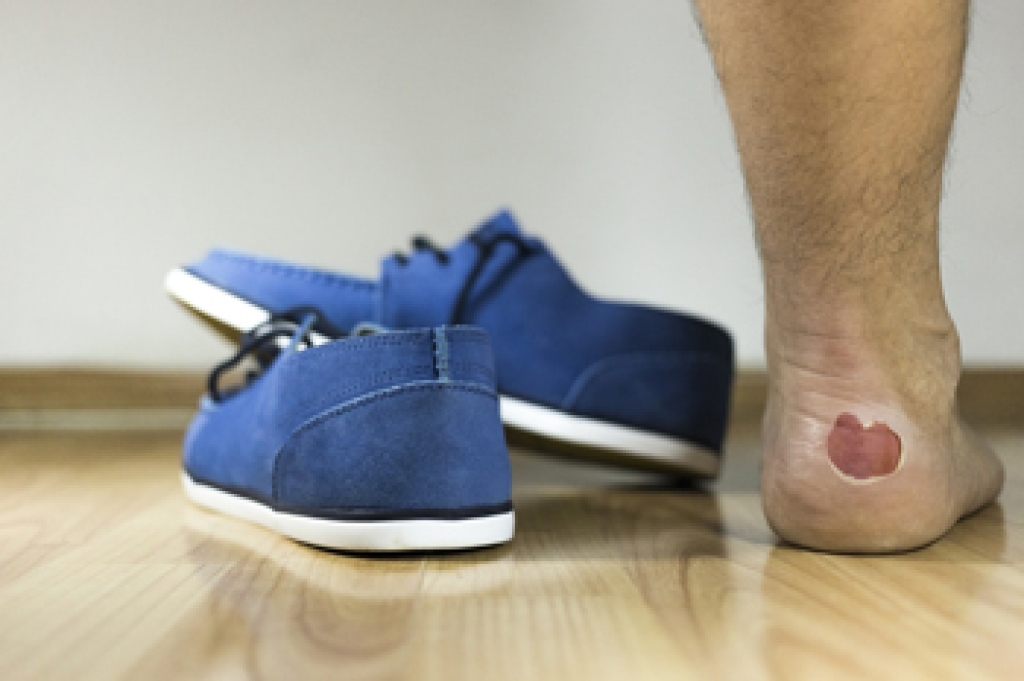
A foot blister is a small fluid-filled pocket that forms on the upper-most layer of the skin. Blisters are filled with clear fluid and can lead to blood drainage or pus if the area becomes infected.

Symptoms

(Blister symptoms may vary depending on what is causing them)

  • Bubble of skin filled with fluid
  • Redness
  • Moderate to severe pain
  • Itching

Prevention & Treatment

In order to prevent blisters, you should be sure to wear comfortable shoes with socks that cushion your feet and absorb sweat. Breaking a blister open may increase your chances of developing an infection. However, if your blister breaks, you should wash the area with soap and water immediately and then apply a bandage to the affected area. If your blisters cause severe pain it is important that you call your podiatrist right away.

If you have any questions, please feel free to contact our offices located in Londonderry, NH and Salem, NH . We offer the newest diagnostic and treatment technologies for all your foot care needs.
Read more about Blisters

Who Gets Bunions?

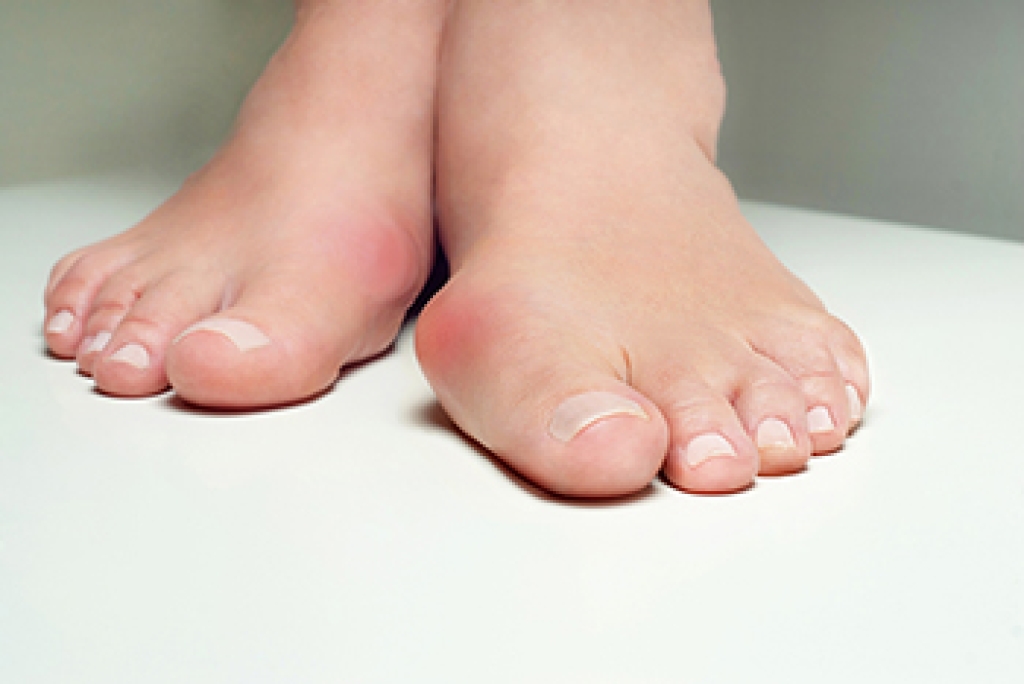
Bunions are a foot condition where the big toe points toward the second toe, causing a bony bump to form at the base of the toe. They are particularly common in older women, anyone with flat feet, or people with a family history of bunions. Pregnancy can also contribute, as hormonal changes and weight gain put additional pressure on the feet. Symptoms of bunions include pain, swelling, and redness surrounding the joint, often worsened by wearing tight or narrow shoes. As the condition progresses, it can lead to difficulty walking and discomfort during daily activities. A podiatrist can diagnose the severity of the bunion and offer treatment options to reduce pain and slow progression. Conservative options include custom orthotics, padding, or changes to footwear. In more severe cases, surgery may be needed to realign the toe. If you have a bunion, it is suggested that you schedule an appointment with a podiatrist for proper treatment.

If you are suffering from bunion pain, contact Pasquale Cancelliere, DPM of Candria Foot and Ankle Specialists. Our doctor can provide the care you need to keep you pain-free and on your feet.

What Is a Bunion?

Bunions are painful bony bumps that usually develop on the inside of the foot at the joint of the big toe. As the deformity increases over time, it may become painful to walk and wear shoes. Women are more likely to exacerbate existing bunions since they often wear tight, narrow shoes that shift their toes together. Bunion pain can be relieved by wearing wider shoes with enough room for the toes.

Causes

  • Genetics – some people inherit feet that are more prone to bunion development
  • Inflammatory Conditions - rheumatoid arthritis and polio may cause bunion development

Symptoms

  • Redness and inflammation
  • Pain and tenderness
  • Callus or corns on the bump
  • Restricted motion in the big toe

In order to diagnose your bunion, your podiatrist may ask about your medical history, symptoms, and general health. Your doctor might also order an x-ray to take a closer look at your feet. Nonsurgical treatment options include orthotics, padding, icing, changes in footwear, and medication. If nonsurgical treatments don’t alleviate your bunion pain, surgery may be necessary.

If you have any questions, please feel free to contact our offices located in Londonderry, NH and Salem, NH . We offer the newest diagnostic and treatment technologies for all your foot care needs.
Read more about What Are Bunions?

How Diabetes Can Cause Foot Pain

Diabetes can lead to foot pain through several complications that affect nerves, blood vessels, and bone structure. Nerve pain, known as diabetic neuropathy, occurs when prolonged high blood sugar damages the nerves, causing tingling, burning, or numbness in the feet. This condition reduces sensation, increasing the risk of unnoticed injuries and infections. Charcot foot is another serious complication where weakened bones in the foot fracture easily, leading to deformity and instability. Poor circulation from peripheral artery disease reduces blood flow to the feet, slowing healing and increasing the risk of ulcers. Without proper care, these complications can worsen, leading to severe infections or limb loss. If you have diabetes and are experiencing foot pain, it is strongly suggested that you are under the care of a podiatrist who can offer treatment and foot pain relief tips.

Foot Pain

Foot pain can be extremely painful and debilitating. If you have a foot pain, consult with Pasquale Cancelliere, DPM from Candria Foot and Ankle Specialists. Our doctor will assess your condition and provide you with quality foot and ankle treatment.

Causes

Foot pain is a very broad condition that could be caused by one or more ailments. The most common include:

  • Bunions
  • Hammertoes
  • Plantar Fasciitis
  • Bone Spurs
  • Corns
  • Tarsal Tunnel Syndrome
  • Ingrown Toenails
  • Arthritis (such as Gout, Rheumatoid, and Osteoarthritis)
  • Flat Feet
  • Injury (from stress fractures, broken toe, foot, ankle, Achilles tendon ruptures, and sprains)
  • And more

Diagnosis

To figure out the cause of foot pain, podiatrists utilize several different methods. This can range from simple visual inspections and sensation tests to X-rays and MRI scans. Prior medical history, family medical history, and any recent physical traumatic events will all be taken into consideration for a proper diagnosis.

Treatment

Treatment depends upon the cause of the foot pain. Whether it is resting, staying off the foot, or having surgery; podiatrists have a number of treatment options available for foot pain.

If you have any questions, please feel free to contact our offices located in Londonderry, NH and Salem, NH . We offer the newest diagnostic and treatment technologies for all your foot care needs.
Read more about Foot Pain

How Feet Change with Age

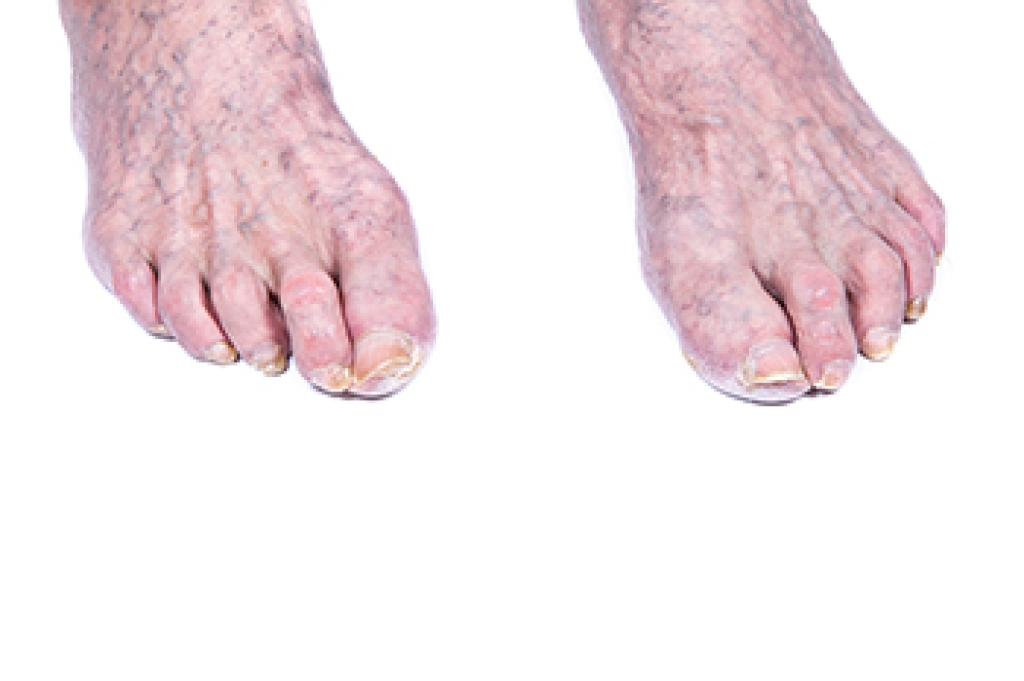
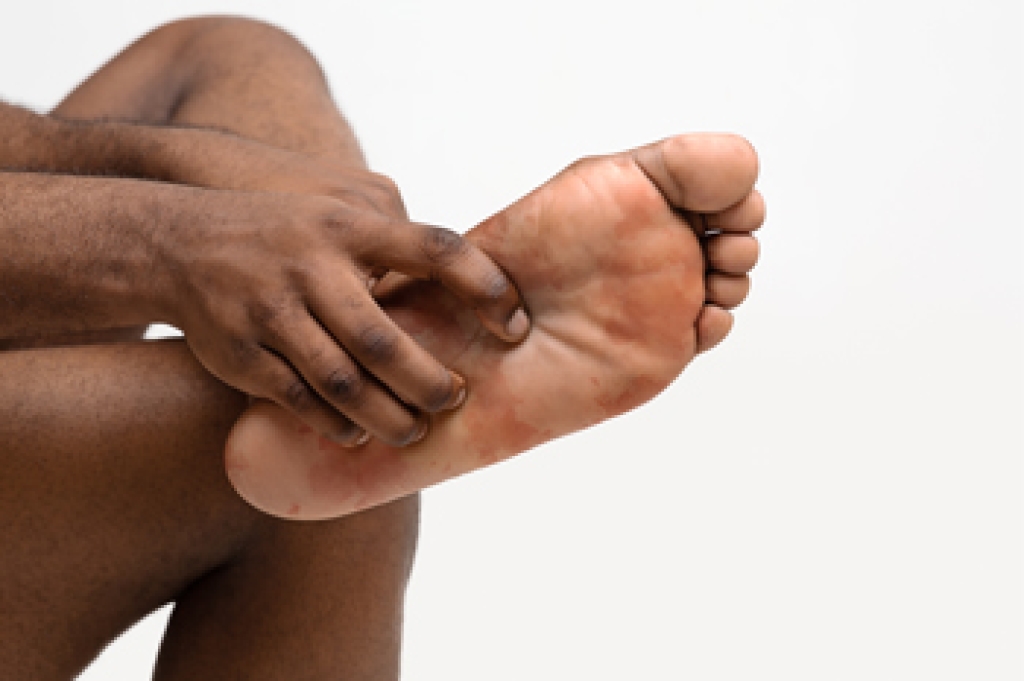
As people age, their feet undergo natural changes that can provide valuable insights into overall health. The arches may flatten, leading to a condition known as fallen arches, which can cause pain and affect posture. The skin on the feet may become thinner, drier, and more prone to cracking, increasing the risk of infections. Toenails may thicken or become more brittle, while bunions or hammertoes can develop due to misalignment of the toes. These changes can also signal underlying health issues, such as poor circulation, arthritis, or diabetes. For instance, numbness or tingling in the feet can indicate nerve damage, while changes in skin color might suggest circulation problems. If you have foot pain or notice any changes in your feet, it is suggested that you consult a podiatrist who can help you monitor your foot health. 

Proper foot care is something many older adults forget to consider. If you have any concerns about your feet and ankles, contact Pasquale Cancelliere, DPM from Candria Foot and Ankle Specialists. Our doctor can provide the care you need to keep you pain-free and on your feet.

The Elderly and Their Feet

As we age we start to notice many changes in our body, but the elder population may not notice them right away. Medical conditions may prevent the elderly to take notice of their foot health right away. Poor vision is a lead contributor to not taking action for the elderly.

Common Conditions 

  • Neuropathy – can reduce feeling in the feet and can hide many life-threatening medical conditions.
  • Reduced flexibility – prevents the ability of proper toenail trimming, and foot cleaning. If left untreated, it may lead to further medical issues.
  • Foot sores – amongst the older population can be serious before they are discovered. Some of the problematic conditions they may face are:
  • Gouging toenails affecting nearby toe
  • Shoes that don’t fit properly
  • Pressure sores
  • Loss of circulation in legs & feet
  • Edema & swelling of feet and ankles

Susceptible Infections

Diabetes and poor circulation can cause general loss of sensitivity over the years, turning a simple cut into a serious issue.

If you have any questions, please feel free to contact our offices located in Londonderry, NH and Salem, NH . We offer the newest diagnostic and treatment technologies for all your foot care needs.
Read more about Elderly and their Feet
scroll to top