Like us on facebook
Follow us on twitter
review us on google

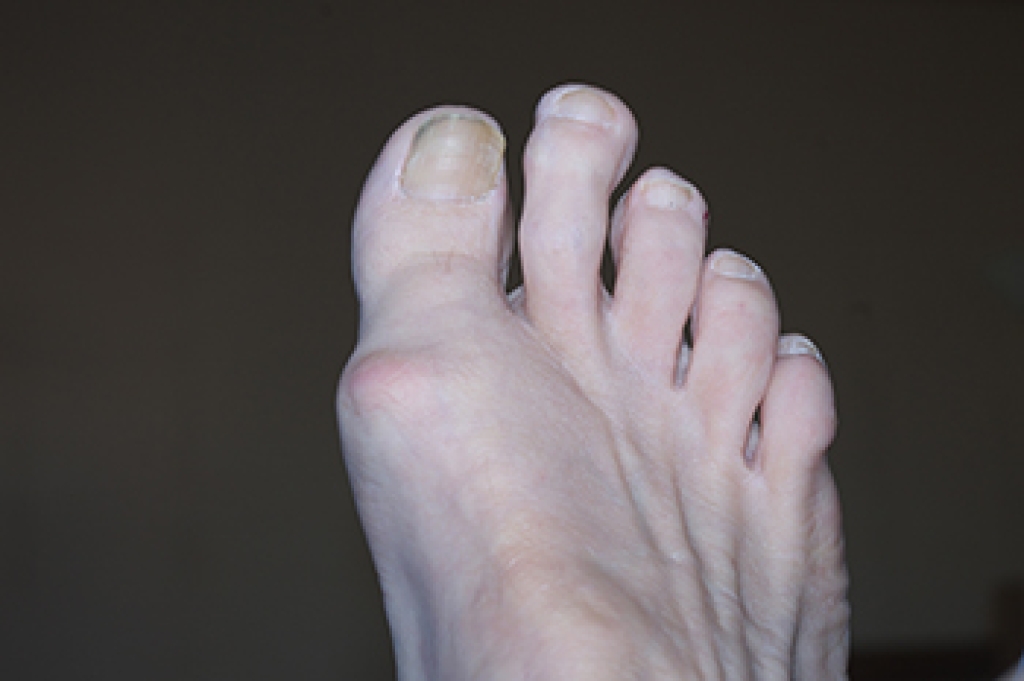
What Is Morton’s Toe?

Morton’s toe, also known as Greek foot, is a condition where the second toe is longer than the big toe. While it is often a benign anatomical variation, it can lead to discomfort and pain due to altered foot mechanics. Individuals with Morton’s toe may experience metatarsalgia, which is pain in the ball of the foot, as well as calluses, bunions, and discomfort while walking or standing. Treatment typically begins with conservative measures, such as wearing supportive footwear, using orthotic inserts, and practicing foot stretches. However, if pain persists or worsens, it is important to consult a podiatrist. This type of doctor may recommend more advanced treatments, including targeted exercises or, in severe cases, surgery to alleviate pain and correct alignment issues. If you suspect you have Morton’s toe and are experiencing discomfort, it is suggested you schedule an appointment with a podiatrist for a thorough assessment and tailored treatment options.

Morton’s neuroma is a very uncomfortable condition to live with. If you think you have Morton’s neuroma, contact Pasquale Cancelliere, DPM of Candria Foot and Ankle Specialists. Our doctor will attend to all of your foot care needs and answer any of your related questions.  

Morton’s Neuroma

Morton's neuroma is a painful foot condition that commonly affects the areas between the second and third or third and fourth toe, although other areas of the foot are also susceptible. Morton’s neuroma is caused by an inflamed nerve in the foot that is being squeezed and aggravated by surrounding bones.

What Increases the Chances of Having Morton’s Neuroma?

  • Ill-fitting high heels or shoes that add pressure to the toe or foot
  • Jogging, running or any sport that involves constant impact to the foot
  • Flat feet, bunions, and any other foot deformities

Morton’s neuroma is a very treatable condition. Orthotics and shoe inserts can often be used to alleviate the pain on the forefront of the feet. In more severe cases, corticosteroids can also be prescribed. In order to figure out the best treatment for your neuroma, it’s recommended to seek the care of a podiatrist who can diagnose your condition and provide different treatment options.

If you have any questions, please feel free to contact our offices located in Londonderry, NH and Salem, NH . We offer the newest diagnostic and treatment technologies for all your foot care needs.
Read more about What is Morton's Neuroma?

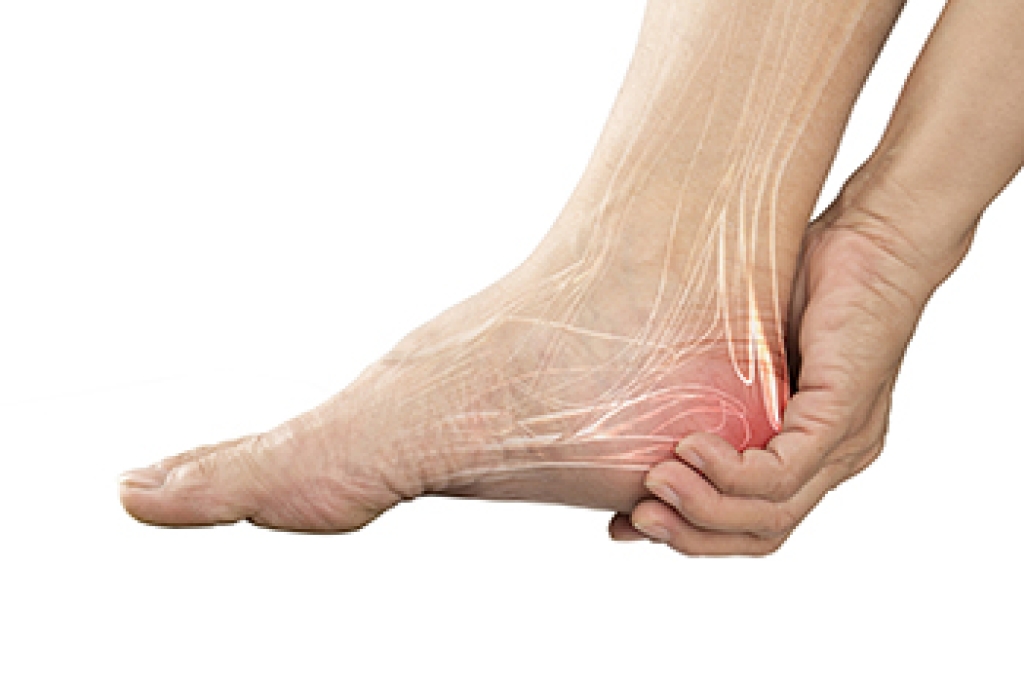
Plantar Heel Pain

Plantar heel pain, often associated with conditions like plantar fasciitis, is a common issue that can significantly impact daily activities. It typically manifests as a sharp pain in the heel, especially with the first steps in the morning or after prolonged periods of sitting. This discomfort can result from several factors, including overuse, wearing improper footwear, obesity, and tight calf muscles. Activities that put excessive strain on the heel, such as running or standing for long periods of time can worsen the condition. Treatment options vary, but they often include exercises that can strengthen the foot and improve flexibility. Custom orthotics may also be recommended to provide support and distribute pressure evenly. If you are experiencing persistent heel pain, it is important to seek professional help. It is suggested you schedule an appointment with a podiatrist to receive a proper diagnosis and personalized treatment plan to get you back on your feet comfortably.

Plantar fasciitis can be very painful and inconvenient. If you are experiencing heel pain or symptoms of plantar fasciitis, contact Pasquale Cancelliere, DPM  from Candria Foot and Ankle Specialists. Our doctor can provide the care you need to keep you pain-free and on your feet.

What Is Plantar Fasciitis?

Plantar fasciitis is the inflammation of the thick band of tissue that runs along the bottom of your foot, known as the plantar fascia, and causes mild to severe heel pain.

What Causes Plantar Fasciitis?

  • Excessive running
  • Non-supportive shoes
  • Overpronation
  • Repeated stretching and tearing of the plantar fascia

How Can It Be Treated?

  • Conservative measures – anti-inflammatories, ice packs, stretching exercises, physical therapy, orthotic devices
  • Shockwave therapy – sound waves are sent to the affected area to facilitate healing and are usually used for chronic cases of plantar fasciitis
  • Surgery – usually only used as a last resort when all else fails. The plantar fascia can be surgically detached from the heel

While very treatable, plantar fasciitis is definitely not something that should be ignored. Especially in severe cases, speaking to your doctor right away is highly recommended to avoid complications and severe heel pain. Your podiatrist can work with you to provide the appropriate treatment options tailored to your condition.

If you have any questions, please feel free to contact our offices located in Londonderry, NH and Salem, NH . We offer the newest diagnostic and treatment technologies for all your foot care needs.
Read more about Plantar Fasciitis

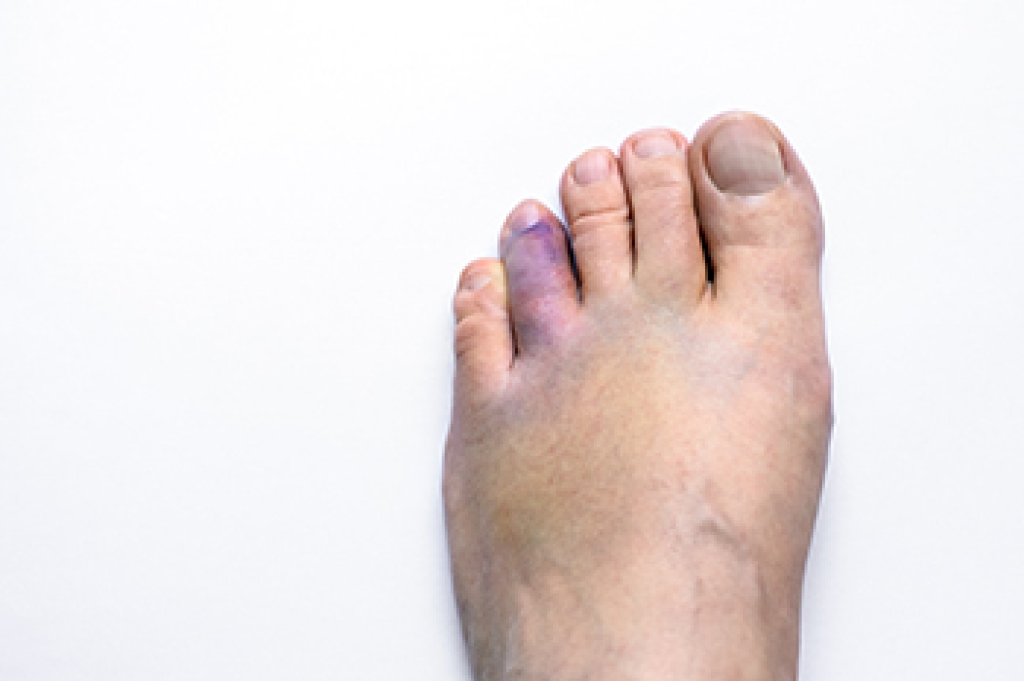
Is My Toe Broken?

A broken toe can cause significant discomfort and disrupt daily activities. Common symptoms include intense pain at the site of injury, swelling, bruising, and difficulty walking. The toe may appear deformed or misaligned, and there can be tenderness when touched. Various factors contribute to broken toes, with osteoporosis being a notable cause. This condition weakens bones, making them more susceptible to fractures. Stress fractures, which occur from repetitive impact or overuse, can also lead to breaks in the toe. Additionally, dropping a heavy object on the foot is a frequent cause of toe fractures. There are various treatment methods for a broken toe, depending on the severity of the fracture. If you have broken your toe, it is suggested that you consult a podiatrist who can treat it effectively.

A broken toe can be very painful and lead to complications if not properly fixed. If you have any concerns about your feet, contact Pasquale Cancelliere, DPM from Candria Foot and Ankle Specialists. Our doctor will treat your foot and ankle needs.

What to Know About a Broken Toe

Although most people try to avoid foot trauma such as banging, stubbing, or dropping heavy objects on their feet, the unfortunate fact is that it is a common occurrence. Given the fact that toes are positioned in front of the feet, they typically sustain the brunt of such trauma. When trauma occurs to a toe, the result can be a painful break (fracture).

Symptoms of a Broken Toe

  • Throbbing pain
  • Swelling
  • Bruising on the skin and toenail
  • The inability to move the toe
  • Toe appears crooked or disfigured
  • Tingling or numbness in the toe

Generally, it is best to stay off of the injured toe with the affected foot elevated.

Severe toe fractures may be treated with a splint, cast, and in some cases, minor surgery. Due to its position and the pressure it endures with daily activity, future complications can occur if the big toe is not properly treated.

If you have any questions, please feel free to contact our offices located in Londonderry, NH and Salem, NH . We offer the newest diagnostic and treatment technologies for all your foot care needs.

Read more about What to Know About a Broken Toe

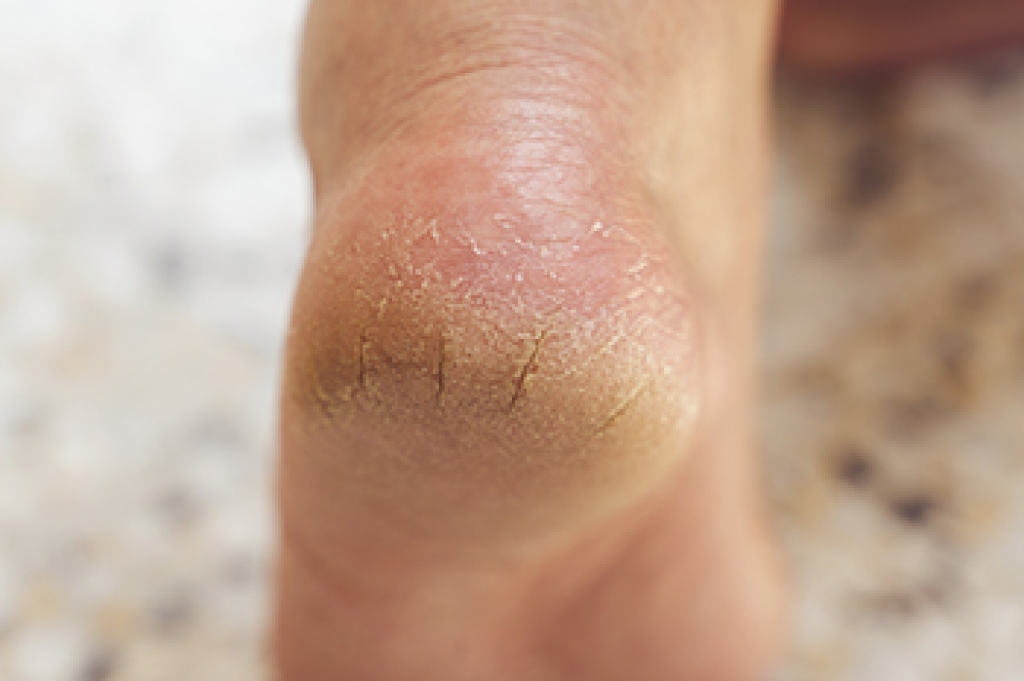
Why Skin Fissures Cause Cracked Heels

Skin fissures are a common cause of cracked heels, often resulting from dry and thickened skin. When the skin on the heels becomes excessively dry, it loses its elasticity and flexibility. This lack of moisture causes the skin to become rough and hard, making it prone to splitting or cracking. Factors contributing to skin fissures include prolonged standing, wearing open-back shoes, and environmental conditions like low humidity. Additionally, underlying health issues like diabetes or eczema can cause dryness and skin damage. As the skin continues to bear weight and pressure, these fissures deepen, leading to painful cracks. Cracked heels can be painful, and may cause difficulty in completing daily activities. If you have developed this condition, it is suggested that you consult a podiatrist who can offer you treatment remedies, which may include prescribed medication.

If the skin on your feet starts to crack, you may want to see a podiatrist to find treatment. If you have any concerns, contact Pasquale Cancelliere, DPM from Candria Foot and Ankle Specialists. Our doctor can provide the care you need to keep you pain-free and on your feet.

Cracked Heels

It is important to moisturize your cracked heels in order to prevent pain, bleeding, and infection. The reason cracked heels form is because the skin on the foot is too dry to support the immense pressure placed on them. When the foot expands, the dry skin on the foot begins to split.

Ways to Help Heal Them

  • Invest in a good foot cream
  • Try Using Petroleum Jelly
  • Ease up on Soaps
  • Drink Plenty of Water

Ways to Prevent Cracked Heels

  • Moisturize After Showering
  • Skip a Shower
  • Keep Shower Water Lukewarm
  • Don’t Scrub Your Feet

If you are unsure how to proceed in treating cracked heels, seek guidance from a podiatrist. Your doctor will help you with any questions or information you may need. 

If you have any questions, please feel free to contact our offices located in Londonderry, NH and Salem, NH . We offer the newest diagnostic and treatment technologies for all your foot care needs.

Read more about Solutions for Cracked Heels

Heel Pain in the Morning?

Heel pain can negatively affect your day-to-day life. Simple activities like walking can become incredibly uncomfortable or painful due to heel pain.

Don’t live with heel pain and get treated.

Causes and Effects of Ankle Sprains

An ankle sprain occurs when the ligaments surrounding the ankle joint are overstretched or torn, often resulting from an awkward step or a sudden twist. Ankle sprains can happen during sports or everyday activities, such as walking on uneven ground or tripping on stairs. Common symptoms of ankle sprains include pain, swelling, bruising, and difficulty putting weight on the affected foot. While mild sprains typically heal with rest, more severe cases may require additional support, such as braces or splints to aid in recovery. Ignoring a sprain can lead to long-term instability and recurring injuries. A podiatrist can assess the severity of your ankle sprain, recommend the proper treatment, and guide the rehabilitation process to prevent future complications. If you believe you may have sprained an ankle, it is suggested that you schedule an appointment with a podiatrist for a diagnosis and treatment.

Although ankle sprains are common, they aren’t always minor injuries. If you need your ankle injury looked at, contact Pasquale Cancelliere, DPM from Candria Foot and Ankle Specialists. Our doctor can provide the care you need to keep you pain-free and on your feet.

How Does an Ankle Sprain Occur?

Ankle sprains are the result of a tear in the ligaments within the ankle. These injuries may happen when you make a rapid shifting movement while your foot is planted. A less common way to sprain your ankle is when your ankle rolls inward while your foot turns outward.

What Are the Symptoms?

  • Pain at the sight of the tear
  • Bruising/Swelling
  • Ankle area is tender to touch
  • In severe cases, may hear/feel something tear
  • Skin discoloration

Preventing a Sprain

  • Wearing appropriate shoes for the occasion
  • Stretching before exercises and sports
  • Knowing your limits

Treatment of a Sprain

In many cases, the RICE method (Rest, Ice, Compression, and Elevate) is used to treat ankle sprains. However, you should see a podiatrist to see which treatment option would work best with your injury. In severe cases, surgery may be required.

It is important to ask your doctor about rehab options after you receive treatment for your injury. Stretching, strength training, and balance exercises may help the ankle heal while also preventing further injury.

If you have any questions, please feel free to contact our offices located in Londonderry, NH and Salem, NH . We offer the newest diagnostic and treatment technologies for all your foot care needs.
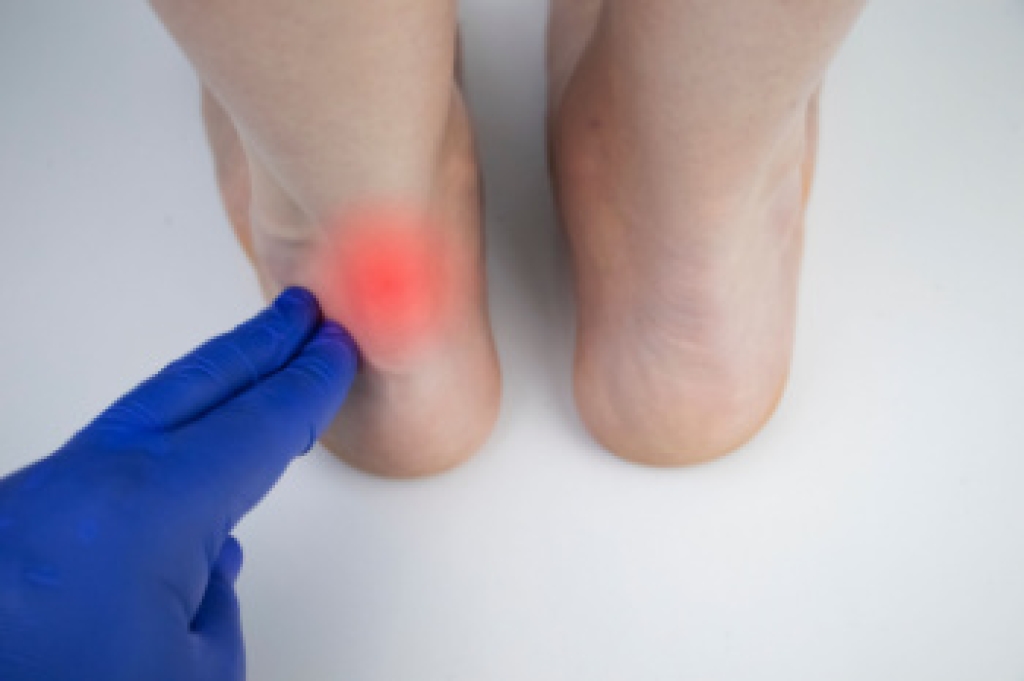
Read more about Ankle Sprains

Achilles Pain From Achilles Tendinopathy

Achilles tendinopathy, or Achilles pain, is common among athletes, particularly in sports involving running, jumping, and sudden changes in direction. It occurs when the Achilles tendon becomes overworked due to repetitive strain, often from overtraining, poor technique, or wearing inadequate footwear. Athletes in sports like basketball, soccer, or track and field are especially prone. Symptoms include stiffness and pain along the back of the heel, particularly after physical activity or intense workouts. Ignoring these symptoms can lead to chronic pain or even a tendon rupture, sidelining athletes for extended periods of time. Diagnosis typically involves a physical examination and sometimes imaging like ultrasound or MRI scans to determine the severity. Treatment focuses on rest. For prevention, athletes should engage in proper warm-up, cooldown routines, and wearing the right footwear. If you engage in sports and have incurred an Achilles tendon injury, it is suggested that you visit a podiatrist for a proper diagnosis and care.

Sports related foot and ankle injuries require proper treatment before players can go back to their regular routines. For more information, contact Pasquale Cancelliere, DPM of Candria Foot and Ankle Specialists. Our doctor can provide the care you need to keep you pain-free and on your feet.

Sports Related Foot and Ankle Injuries

Foot and ankle injuries are a common occurrence when it comes to athletes of any sport. While many athletes dismiss the initial aches and pains, the truth is that ignoring potential foot and ankle injuries can lead to serious problems. As athletes continue to place pressure and strain the area further, a mild injury can turn into something as serious as a rupture and may lead to a permanent disability. There are many factors that contribute to sports related foot and ankle injuries, which include failure to warm up properly, not providing support or wearing bad footwear. Common injuries and conditions athletes face, including:

  • Plantar Fasciitis
  • Achilles Tendinitis
  • Achilles Tendon Rupture
  • Ankle Sprains

Sports related injuries are commonly treated using the RICE method. This includes rest, applying ice to the injured area, compression and elevating the ankle. More serious sprains and injuries may require surgery, which could include arthroscopic and reconstructive surgery. Rehabilitation and therapy may also be required in order to get any recovering athlete to become fully functional again. Any unusual aches and pains an athlete sustains must be evaluated by a licensed, reputable medical professional.

If you have any questions please contact our offices located in Londonderry, NH and Salem, NH . We offer the newest diagnostic and treatment technologies for all your foot and ankle needs.

Read more about Sports Related Foot And Ankle Injuries

Toenail Abnormalities

Toenail abnormalities can be a sign of underlying health issues or can result from trauma, infections, or improper nail care. Common problems include thickened nails, discoloration, ridges, and brittleness. Thickened nails might indicate a fungal infection or pressure from wearing ill-fitting shoes. Discoloration, such as yellowing or dark spots, can also signal a fungal infection, injury, or even more serious conditions like melanoma. Ridges, which can run either horizontally or vertically, may be a normal part of aging or a sign of nutritional deficiencies or trauma. Brittle nails, prone to cracking and splitting, can be caused by dehydration, overexposure to water, or a lack of vitamins. Paying attention to changes in your toenails and addressing them promptly with a podiatrist is strongly suggested.

Ingrown toenails can become painful if they are not treated properly. For more information about ingrown toenails, contact Pasquale Cancelliere, DPM of Candria Foot and Ankle Specialists. Our doctor can provide the care you need to keep you pain-free and on your feet.

Ingrown Toenails

Ingrown toenails occur when a toenail grows sideways into the bed of the nail, causing pain, swelling, and possibly infection.

Causes

  • Bacterial infections
  • Improper nail cutting such as cutting it too short or not straight across
  • Trauma to the toe, such as stubbing, which causes the nail to grow back irregularly
  • Ill-fitting shoes that bunch the toes too close together
  • Genetic predisposition

Prevention

Because ingrown toenails are not something found outside of shoe-wearing cultures, going barefoot as often as possible will decrease the likeliness of developing ingrown toenails. Wearing proper fitting shoes and using proper cutting techniques will also help decrease your risk of developing ingrown toenails.

Treatment

Ingrown toenails are a very treatable foot condition. In minor cases, soaking the affected area in salt or antibacterial soaps will not only help with the ingrown nail itself, but also help prevent any infections from occurring. In more severe cases, surgery is an option. In either case, speaking to your podiatrist about this condition will help you get a better understanding of specific treatment options that are right for you.

If you have any questions, please feel free to contact our offices located in Londonderry, NH and Salem, NH . We offer the newest diagnostic and treatment technologies for all your foot care needs.

Read more about Ingrown Toenail Care

Bunion Treatment

Bunions are a common foot deformity where the joint at the base of the big toe becomes enlarged and misaligned, causing the toe to angle inward. This can lead to pain, swelling, and difficulty in finding comfortable shoes. The condition often develops due to genetic factors, wearing ill-fitting footwear, or arthritis. If you have bunions, it is essential to take proactive steps to manage the discomfort and prevent further progression. Start by wearing shoes with a wide-toe box, low heels, and good arch support. Regularly performing foot exercises to strengthen the muscles around the joint can also provide relief. If these conservative measures do not help, or if the bunion becomes severely painful, it is suggested that you consult a podiatrist. In some cases, surgery may be recommended to correct the deformity and restore foot function.

If you are suffering from bunions, contact Pasquale Cancelliere, DPM of Candria Foot and Ankle Specialists. Our doctor can provide the care you need to keep you pain-free and on your feet.

What Is a Bunion?

A bunion is formed of swollen tissue or an enlargement of boney growth, usually located at the base joint of the toe that connects to the foot. The swelling occurs due to the bones in the big toe shifting inward, which impacts the other toes of the foot. This causes the area around the base of the big toe to become inflamed and painful.

Why Do Bunions Form?

Genetics – Susceptibility to bunions are often hereditary

Stress on the feet – Poorly fitted and uncomfortable footwear that places stress on feet, such as heels, can worsen existing bunions

How Are Bunions Diagnosed?

Doctors often perform two tests – blood tests and x-rays – when trying to diagnose bunions, especially in the early stages of development. Blood tests help determine if the foot pain is being caused by something else, such as arthritis, while x-rays provide a clear picture of your bone structure to your doctor.

How Are Bunions Treated?

  • Refrain from wearing heels or similar shoes that cause discomfort
  • Select wider shoes that can provide more comfort and reduce pain
  • Anti-inflammatory and pain management drugs
  • Orthotics or foot inserts
  • Surgery

If you have any questions, please feel free to contact our offices located in Londonderry, NH and Salem, NH . We offer the newest diagnostic and treatment technologies for all your foot care needs.

Read more about Bunions

Causes and Prevention Tips for Foot Stress Fractures

A foot stress fracture is a small crack in a bone, typically resulting from repetitive force or overuse. This injury commonly occurs in athletes or individuals who suddenly increase their physical activity without adequate preparation. Factors contributing to stress fractures include wearing improper footwear, inadequate training techniques, and sudden changes in exercise intensity. Symptoms often involve localized pain that worsens with activity and improves with rest. To prevent foot stress fractures, it is essential to gradually increase activity levels, choose supportive footwear, and incorporate proper warm-up and stretching routines. Strengthening exercises for the foot and lower leg can also help build resilience. If you have sustained a foot stress fracture, it is suggested that you schedule an appointment with a podiatrist who can treat this condition.

Stress fractures occur when there is a tiny crack within a bone. To learn more, contact Pasquale Cancelliere, DPM from Candria Foot and Ankle Specialists. Our doctor can provide the care you need to keep you pain free and on your feet.

How Are They Caused?

Stress fractures are the result of repetitive force being placed on the bone. Since the lower leg and feet often carry most of the body’s weight, stress fractures are likely to occur in these areas. If you rush into a new exercise, you are more likely to develop a stress fracture since you are starting too much, too soon.  Pain resulting from stress fractures may go unnoticed at first, however it may start to worsen over time.

Risk Factors

  • Gender – They are more commonly found in women compared to men.
  • Foot Problems – People with unusual arches in their feet are more likely to develop stress fractures.
  • Certain Sports – Dancers, gymnasts, tennis players, runners, and basketball players are more likely to develop stress fractures.
  • Lack of Nutrients – A lack of vitamin D and calcium may weaken the bones and make you more prone to stress fractures
  • Weak Bones – Osteoporosis can weaken the bones therefore resulting in stress fractures

Stress fractures do not always heal properly, so it is important that you seek help from a podiatrist if you suspect you may have one. Ignoring your stress fracture may cause it to worsen, and you may develop chronic pain as well as additional fractures.

If you have any questions please contact our offices located in Londonderry, NH and Salem, NH . We offer the newest diagnostic and treatment technologies for all your foot and ankle needs.

Read more about Stress Fractures of the Foot and Ankle
scroll to top