Like us on facebook
Follow us on twitter
review us on google

Freiberg Infraction and Foot Pain

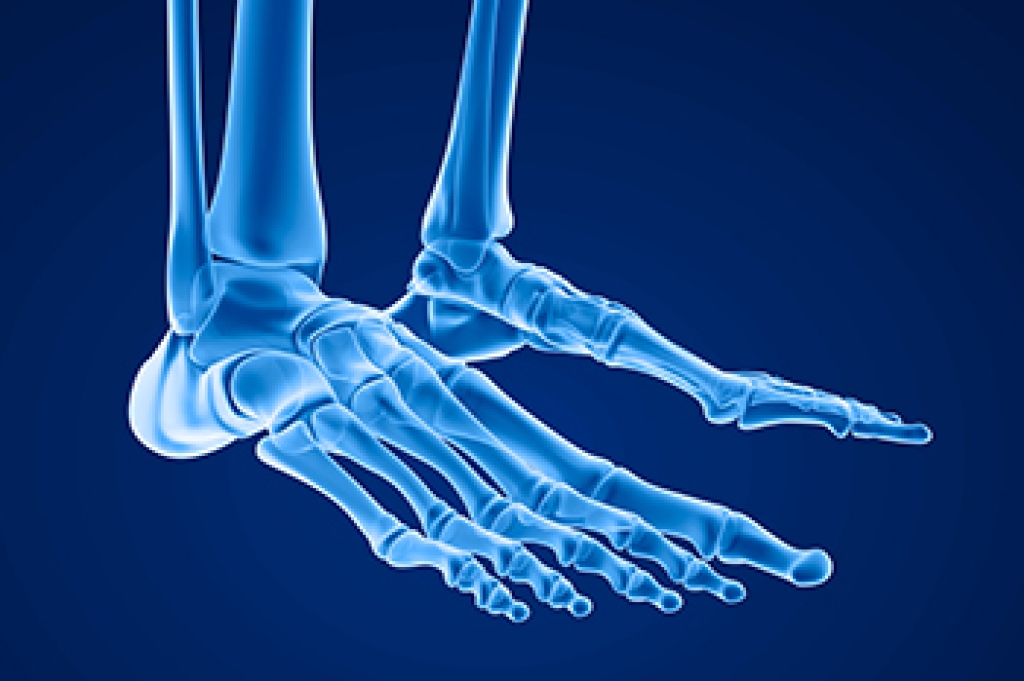
Freiberg infraction is a condition that affects the long bones in the front of the foot, most often the second metatarsal. It happens when the bone under the toe joint loses its normal blood supply, leading to tiny fractures and collapse of the bone surface. This can cause pain in the ball of the foot, swelling, and stiffness in the toe. Walking or wearing tight shoes may make the discomfort worse, and over time, the joint may become stiff or uneven. The condition is more common in teenagers and young adults, especially those who are active in sports, although adults can develop it, as well. Treatment may involve rest, wearing cushioned shoes, orthotics, or targeted exercises  to relieve pressure and improve movement. Severe cases may require surgery. If you have persistent pain in the ball of your foot, it is suggested that you see a podiatrist for evaluation and appropriate treatment.

Some foot conditions may require additional professional care. If you have any concerns, contact Pasquale Cancelliere, DPM of Candria Foot and Ankle Specialists. Our doctor can provide the care you need to keep you pain-free and on your feet.

Rare Foot Conditions

The majority of foot conditions are common and can be treated by a podiatrist.  Standard diagnostic procedures are generally used to identify specific conditions and treatment can be rendered. A podiatrist also treats rare foot conditions which can be difficult to diagnose and may need extra attention and care. 

There are many rare foot conditions that can affect children. Some of these can include:

  • Freiberg’s disease
  • Kohler’s disease
  • Maffucci syndrome

Freiberg’s disease - This can be seen as a deterioration and flattening of a metatarsal bone that exists in the ball of the foot. It typically affects pre-teen and teenage girls, but can affect anyone at any age. Symptoms that can accompany this can be swelling, stiffness, and the patient may limp. 

Kohler’s disease - This often targets the bone in the arch of the foot and affects younger boys. It can lead to an interruption of the blood supply which ultimately can lead to bone deterioration. The patient may limp or experience tenderness, swelling, and redness.

Maffucci syndrome - This affects the long bones in a child’s foot leading to the development of abnormal bone lesions. They are benign growths and typically develop in early childhood and the bones may be susceptible to breaking. 

A podiatrist can properly diagnose and treat all types of rare foot conditions. If your child is affected by any of these symptoms or conditions, please don’t hesitate to call our office so the correct treatment method can begin.

If you have any questions, please feel free to contact our offices located in Londonderry, NH and Salem, NH . We offer the newest diagnostic and treatment technologies for all your foot care needs.


Read more about Rare Foot Conditions

Pickleball, Heel Pain, and Plantar Fasciitis

Pickleball is a popular sport, but when it is played too often, it may lead to the development of plantar fasciitis. This painful foot condition affects the plantar fascia, which is a band of tissue that connects the heel to the toes. When the plantar fascia is inflamed, irritated, or partially torn, the pain is typically felt in the heel.  The discomfort may be worse in the morning upon arising. For that reason, it may be helpful to wear night splints to help keep the plantar fascia in a lengthened position. It is also beneficial to refrain from playing pickleball until the foot has completely healed. However, if pain from plantar fasciitis persists or worsens, it is suggested that you visit a podiatrist who can suggest targeted exercises and other forms of relief to get you back in the game.

Ankle and foot injuries are common among athletes and in many sports. They can be caused by several problems and may be potentially serious. If you are feeling pain or think you were injured in a sporting event or when exercising, consult with Pasquale Cancelliere, DPM from Candria Foot and Ankle Specialists. Our doctor will assess your condition and provide you with quality foot and ankle treatment.

Common Injuries

The most common injuries that occur in sporting activities include:

  • Achilles Tendonitis
  • Achilles Tendon Rupture
  • Ankle Sprains
  • Broken Foot
  • Plantar Fasciitis
  • Stress Fractures
  • Turf Toe

Symptoms

Symptoms vary depending upon the injury and in some cases, there may be no symptoms at all. However, in most cases, some form of symptom is experienced. Pain, aching, burning, bruising, tenderness, tightness or stiffness, sensation loss, difficulty moving, and swelling are the most common symptoms.

Treatment

Just as symptoms vary depending upon the injury, so do treatment options. A common treatment method is known as the RICE method. This method involves rest, applying ice, compression and elevating the afflicted foot or ankle. If the injury appears to be more serious, surgery might be required, such as arthroscopic or reconstructive surgery. Lastly, rehabilitation or therapy might be needed to gain full functionality in the afflicted area. Any discomfort experienced by an athlete must be evaluated by a licensed, reputable medical professional.  

If you have any questions please contact our offices located in Londonderry, NH and Salem, NH . We offer the newest diagnostic and treatment technologies for all your foot and ankle needs.

Read more about Sports Related Foot and Ankle Injuries

Various Reasons for Pain in the Big Toe

The big toe is also known as the great toe, and is considered to be one of the most important joints in the body. It has various functions, including walking heel to toe, and balancing while running, jumping, or dancing. There is a joint on the bottom of the big toe that is known as the tarsometatarsal (TMT) joint, and the proximal Interphalangeal joint is found across from it. These joints can become damaged from participating in high-impact sporting activities, and will often become painful and swollen. Another form of discomfort occurring in the big toe is known as gout. This develops as a result of excess uric acid in the blood that can form crystals in the joints of the big toe, often causing debilitating pain. Extensor tendonitis is a foot condition that may happen from having tight calf muscles, and the pain is felt when the big toe is extended. Many people have osteoarthritis of the joints in the big toe, and a bunion may gradually develop, if not promptly treated. If you have pain in your big toe, it is strongly urged that you speak with a podiatrist who can properly diagnose and treat toe pain.

Toe pain can disrupt your daily activities. If you have any concerns, contact Pasquale Cancelliere, DPM of Candria Foot and Ankle Specialists. Our doctor can provide the care you need to keep you pain-free and on your feet.

What Causes Toe Pain?

Most severe toe pain is caused due to a sports injury, trauma from dropping something heavy on the toe, or bumping into something rigid. Other problems can develop over time for various reasons.

Toe pain can be caused by one or more ailments. The most common include:

  • Trauma
  • Sports injury
  • Wearing shoes that are too tight
  • Arthritis
  • Gout
  • Corns and calluses
  • Hammertoe
  • Bunions
  • Blisters
  • Ingrown toenails
  • Sprains
  • Fractures (broken bones)
  • Dislocations

When to See a Podiatrist

  • Severe pain
  • Persistent pain that lasts more than a week
  • Signs of infection
  • Continued swelling
  • Pain that prevents walking

Diagnosis

In many cases the cause of toe pain is obvious, but in others, a podiatrist may want to use more advanced methods to determine the problem. These can range from simple visual inspections and sensation tests to X-rays and MRI scans. Prior medical history, family medical history, and any recent physical traumatic events will all be taken into consideration for a proper diagnosis.

Treatment

Treatments for toe pain and injuries vary and may include shoe inserts, padding, taping, medicines, injections, and in some cases, surgery. If you believe that you have broken a toe, please see a podiatrist as soon as possible.

If you have any questions please contact our offices located in Londonderry, NH and Salem, NH . We offer the newest diagnostic and treatment technologies for all your foot and ankle needs.

Read more about Toe Pain

Ingrown Toenails and Their Lasting Solutions

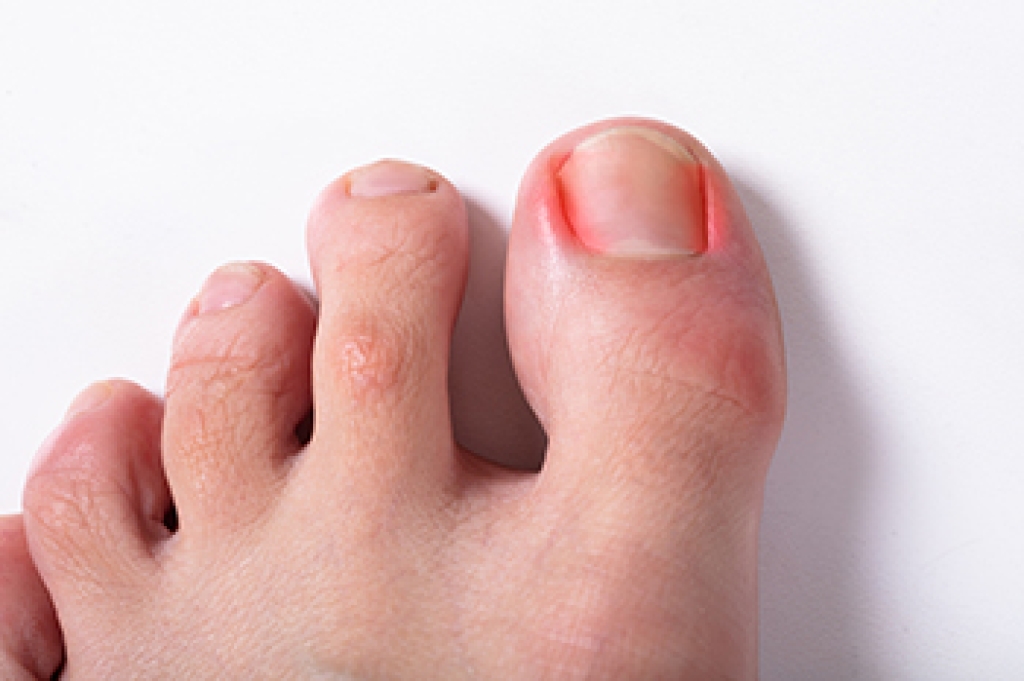
Ingrown toenails are a frequent problem and studies show they tend to affect men more often than women. The nail grows into the skin at the edge, leading to pain, swelling, and sometimes infection. While trimming the nail properly, soaking the foot, and wearing wide shoes can bring relief, these conservative steps do not always stop the condition from coming back. For many people, surgical correction offers a more reliable long-term outcome by removing part of the nail or reshaping the nail bed. In addition to wearing tight footwear and improper toenail cutting, ingrown nails may also develop from underlying medical conditions, poor foot hygiene, or even certain medications that alter nail growth. If you struggle with recurring ingrown toenails or notice signs of infection, it is suggested that you schedule an appointment with a podiatrist to explore the most effective treatment.

Ingrown toenails may initially present themselves as a minor discomfort, but they may progress into an infection in the skin without proper treatment. For more information about ingrown toenails, contact Pasquale Cancelliere, DPM of Candria Foot and Ankle Specialists. Our doctor can provide the care you need to keep you pain-free and on your feet.

Ingrown Toenails

Ingrown toenails are caused when the corner or side of a toenail grows into the soft flesh surrounding it. They often result in redness, swelling, pain, and in some cases, infection. This condition typically affects the big toe and may recur if it is not treated properly.

Causes

  • Improper toenail trimming
  • Genetics
  • Improper shoe fitting
  • Injury from pedicures or nail picking
  • Abnormal gait
  • Poor hygiene

You are more likely to develop an ingrown toenail if you are obese, have diabetes, arthritis, or have any fungal infection in your nails. Additionally, people who have foot or toe deformities are at a higher risk of developing an ingrown toenail.

Symptoms

Some symptoms of ingrown toenails are redness, swelling, and pain. In rare cases, there may be a yellowish drainage coming from the nail.

Treatment

Ignoring an ingrown toenail can have serious complications. Infections of the nail border can progress to a deeper soft-tissue infection, which can then turn into a bone infection. You should always speak with your podiatrist if you suspect you have an ingrown toenail, especially if you have diabetes or poor circulation.

If you have any questions, please feel free to contact our offices located in Londonderry, NH and Salem, NH . We offer the newest diagnostic and treatment technologies for all your foot care needs.
Read more about Ingrown Toenails

Heel Pain Can Be Treated!

Do you suffer from heel pain when you get up in the morning? If so, you should seek professional help and have a proper diagnosis performed. Heel pain can be caused by several different foot-related conditions.

A Hidden Cause Behind Persistent Heel Pain

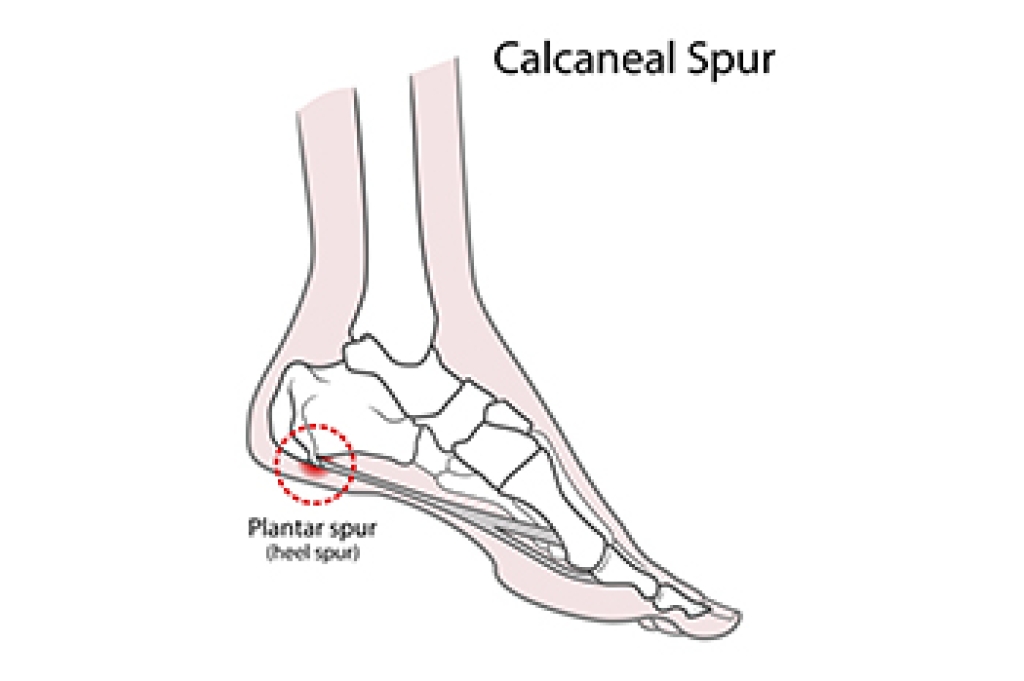
Heel spurs are bony growths that develop on the underside of the heel bone, often associated with conditions like plantar fasciitis or Achilles tendinitis. They are usually caused by long-term strain on foot muscles and ligaments, excessive walking or running, obesity, or poor footwear. Symptoms include sharp pain in the heel when standing up in the morning, aching pain throughout the day, or tenderness when walking or running. Heel spurs may not be visible, but can feel like a stabbing sensation in the heel or a dull ache that worsens with activity. A podiatrist can diagnose heel spurs through a physical exam and imaging, such as X-rays, to confirm the presence of the bony growth. Treatment options may include anti-inflammatory medications, stretching exercises, custom orthotics, or, in some cases, surgical removal. Addressing underlying conditions is also important for long-term relief. If you are dealing with ongoing heel pain, it is suggested that you make an appointment with a podiatrist for proper diagnosis and effective treatment.

Heel spurs can be incredibly painful and sometimes may make you unable to participate in physical activities. To get medical care for your heel spurs, contact Pasquale Cancelliere, DPM from Candria Foot and Ankle Specialists. Our doctor will do everything possible to treat your condition.

Heels Spurs

Heel spurs are formed by calcium deposits on the back of the foot where the heel is. This can also be caused by small fragments of bone breaking off one section of the foot, attaching onto the back of the foot. Heel spurs can also be bone growth on the back of the foot and may grow in the direction of the arch of the foot.

Older individuals usually suffer from heel spurs and pain sometimes intensifies with age. One of the main condition's spurs are related to is plantar fasciitis.

Pain

The pain associated with spurs is often because of weight placed on the feet. When someone is walking, their entire weight is concentrated on the feet. Bone spurs then have the tendency to affect other bones and tissues around the foot. As the pain continues, the feet will become tender and sensitive over time.

Treatments

There are many ways to treat heel spurs. If one is suffering from heel spurs in conjunction with pain, there are several methods for healing. Medication, surgery, and herbal care are some options.

If you have any questions, please feel free to contact our offices located in Londonderry, NH and Salem, NH . We offer the newest diagnostic and treatment technologies for all your foot care needs.

Read more about Heel Spurs

Understanding Toenail Fungus and Treatment Options

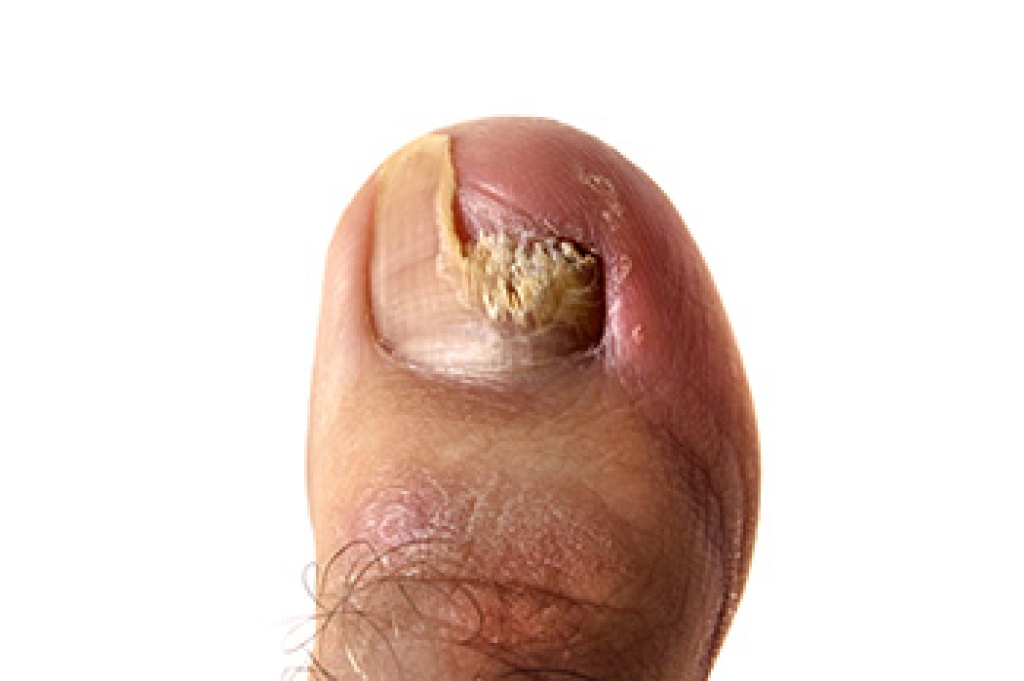
Toenail fungus is a common infection that affects the nails, causing them to become thick, brittle, and discolored. Symptoms may include yellow or white spots, nail crumbling, foul odor, and discomfort while walking. Causes often involve exposure to warm moist environments, such as public showers, gyms, or tight footwear that traps sweat. Risk factors include diabetes, poor circulation, weakened immunity, or repeated trauma to the nails. A podiatrist can diagnose the condition, provide effective treatments, such as topical or oral antifungal medications, or safe nail debridement, and offer advice on prevention. If you have symptoms of toenail fungus, it is suggested that you consult a podiatrist for treatment.

For more information about treatment, contact Pasquale Cancelliere, DPM of Candria Foot and Ankle Specialists. Our doctor can provide the care you need to keep you pain-free and on your feet.

Toenail Fungus Treatment

Toenail fungus is a condition that affects many people and can be especially hard to get rid of. Fortunately, there are several methods to go about treating and avoiding it.

Antifungals & Deterrence

Oral antifungal medicine has been shown to be effective in many cases. It is important to consult with a podiatrist to determine the proper regiment for you, or potentially explore other options.

Applying foot powder on the feet and shoes helps keep the feet free of moisture and sweat.

Sandals or open toed shoes – Wearing these will allow air movement and help keep feet dry. They also expose your feet to light, which fungus cannot tolerate. Socks with moisture wicking material also help as well.

If you have any questions please contact our offices located in Londonderry, NH and Salem, NH . We offer the newest diagnostic and treatment technologies for all your foot and ankle needs.

Read more about How to Treat Your Toenail Fungus

Orthotics and Their Role in Foot Health

Orthotics are custom or prefabricated shoe inserts designed to support, align, and improve the function of the feet. They come in different types, including rigid orthotics for control, soft orthotics for cushioning, and semi-rigid devices that combine both benefits. People may need orthotics to relieve pain from conditions like plantar fasciitis, flat feet, bunions, or arthritis, as well as to improve posture and prevent injuries. A podiatrist can evaluate your gait, diagnose underlying issues, and recommend the right orthotic solution tailored to your needs. If you are experiencing foot or ankle discomfort, it is suggested that you consult a podiatrist who can determine if orthotics will benefit you and what type of orthotic is right for you.

If you are having discomfort in your feet and would like to try orthotics, contact Pasquale Cancelliere, DPM from Candria Foot and Ankle Specialists. Our doctor can provide the care you need to keep you pain-free and on your feet.

What Are Orthotics?

Orthotics are inserts you can place into your shoes to help with a variety of foot problems such as flat feet or foot pain. Orthotics provide relief and comfort for minor foot and heel pain but can’t correct serious biomechanical problems in your feet.

Over-the-Counter Inserts

Orthotics come in a wide variety of over-the-counter inserts that are used to treat foot pain, heel pain, and minor problems. For example, arch supports can be inserted into your shoes to help correct overarched or flat feet, while gel insoles are often used because they provide comfort and relief from foot and heel pain by alleviating pressure.

Prescription Orthotics

If over-the-counter inserts don’t work for you or if you have a more severe foot concern, it is possible to have your podiatrist prescribe custom orthotics. These high-quality inserts are designed to treat problems such as abnormal motion, plantar fasciitis, and severe forms of heel pain. They can even be used to help patients suffering from diabetes by treating foot ulcers and painful calluses and are usually molded to your feet individually, which allows them to provide full support and comfort.

If you are experiencing minor to severe foot or heel pain, it’s recommended to speak with your podiatrist about the possibilities of using orthotics. A podiatrist can determine which type of orthotic is right for you and allow you to take the first steps towards being pain-free.

If you have any questions, please feel free to contact our offices located in Londonderry, NH and Salem, NH . We offer the newest diagnostic and treatment technologies for all your foot care needs.
Read more about Ankle Foot Orthotics for Athletes

Understanding Friction Blisters on the Feet

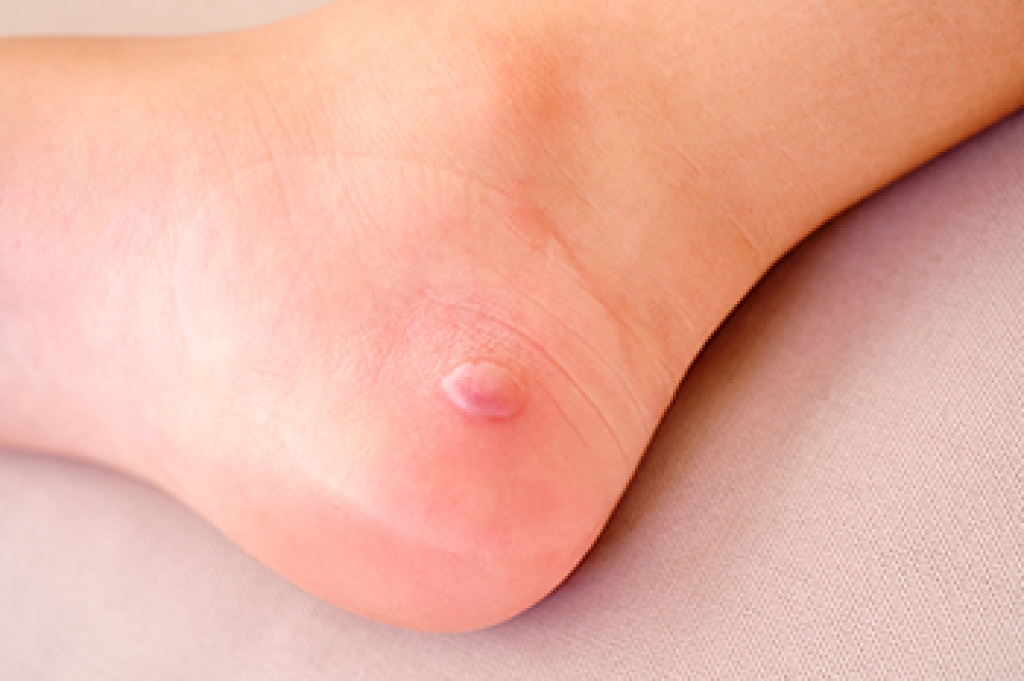
Friction blisters are small fluid-filled pockets that form on the skin, often caused by rubbing, heat, or moisture. They commonly develop on the feet from wearing tight or ill-fitting shoes, walking or running long distances, or wearing damp socks. The friction causes the layers of skin to separate, allowing fluid to collect and form a bubble-like sore. Symptoms include redness, tenderness, swelling, and a clear or sometimes bloody fluid inside. Blisters may be painful, especially when pressure is applied, and can become infected if popped or cared for improperly. Infected blisters may appear red, warm, or filled with pus. A podiatrist can diagnose the type and severity of a blister and determine if there is an underlying cause like poor foot mechanics or inappropriate footwear. Treatment includes draining the blister safely to prevent infection, recommending footwear changes, or applying protective padding. If you have a painful friction blister, it is suggested that you schedule an appointment with a podiatrist for effective prevention tips and  treatment solutions.

Blisters may appear as a single bubble or in a cluster. They can cause a lot of pain and may be filled with pus, blood, or watery serum. If your feet are hurting, contact Pasquale Cancelliere, DPM of Candria Foot and Ankle Specialists. Our doctor can provide the care you need to keep you pain-free and on your feet.

Foot Blisters

Foot blisters are often the result of friction. This happens due to the constant rubbing from shoes, which can lead to pain.

What Are Foot Blisters?

A foot blister is a small fluid-filled pocket that forms on the upper-most layer of the skin. Blisters are filled with clear fluid and can lead to blood drainage or pus if the area becomes infected.

Symptoms

(Blister symptoms may vary depending on what is causing them)

  • Bubble of skin filled with fluid
  • Redness
  • Moderate to severe pain
  • Itching

Prevention & Treatment

In order to prevent blisters, you should be sure to wear comfortable shoes with socks that cushion your feet and absorb sweat. Breaking a blister open may increase your chances of developing an infection. However, if your blister breaks, you should wash the area with soap and water immediately and then apply a bandage to the affected area. If your blisters cause severe pain it is important that you call your podiatrist right away.

If you have any questions, please feel free to contact our offices located in Londonderry, NH and Salem, NH . We offer the newest diagnostic and treatment technologies for all your foot care needs.
Read more about Blisters

Phases of Footwear for Infants and Toddlers

As infants and toddlers grow, their feet go through various developmental stages that require different types of footwear. In the early stages, when babies are crawling and shuffling, barefoot is often best as it allows for natural movement. However, if footwear for your child is necessary for protection, their shoes should be soft, flexible, and roomy to accommodate delicate feet. Pre-walking shoes offer gentle support and protection while still allowing for free movement of the toes and heels. As toddlers begin to walk independently, they will need more structured shoes for support, especially as they spend more time on their feet. At this stage, it is important to focus on fit, as poorly fitting shoes can cause discomfort, even though toddlers may not be able to communicate this. When children reach the toddler and preschool stages, they require footwear that promotes coordination and accommodates their growing feet. For guidance on the kind of shoes needed for your child, it is suggested that you schedule an appointment with a podiatrist for expert advice and guidance.

Making sure that your children maintain good foot health is very important as they grow. If you have any questions, contact Pasquale Cancelliere, DPM of Candria Foot and Ankle Specialists. Our doctor can provide the care you need to keep you pain-free and on your feet.

Keeping Children's Feet Healthy

Having healthy feet during childhood can help prevent medical problems later in life, namely in the back and legs. As children grow, their feet require different types of care. Here are some things to consider...

Although babies do not walk yet, it is still very important to take care of their feet.

Avoid putting tight shoes or socks on his or her feet.

Allow the baby to stretch and kick his or her feet to feel comfortable.

As a toddler, kids are now on the move and begin to develop differently. At this age, toddlers are getting a feel for walking, so don’t be alarmed if your toddler is unsteady or ‘walks funny’. 

As your child gets older, it is important to teach them how to take care of their feet.

Show them proper hygiene to prevent infections such as fungus.

Be watchful for any pain or injury.

Have all injuries checked by a doctor as soon as possible.

Comfortable, protective shoes should always be worn, especially at play.

If you have any questions, please feel free to contact our offices located in Londonderry, NH and Salem, NH . We offer the newest diagnostic and treatment technologies for all your foot care needs.

Read more about What to Do to Keep Your Child’s Feet Healthy
scroll to top