Like us on facebook
Follow us on twitter
review us on google

What Are the Symptoms of Athlete’s Foot?

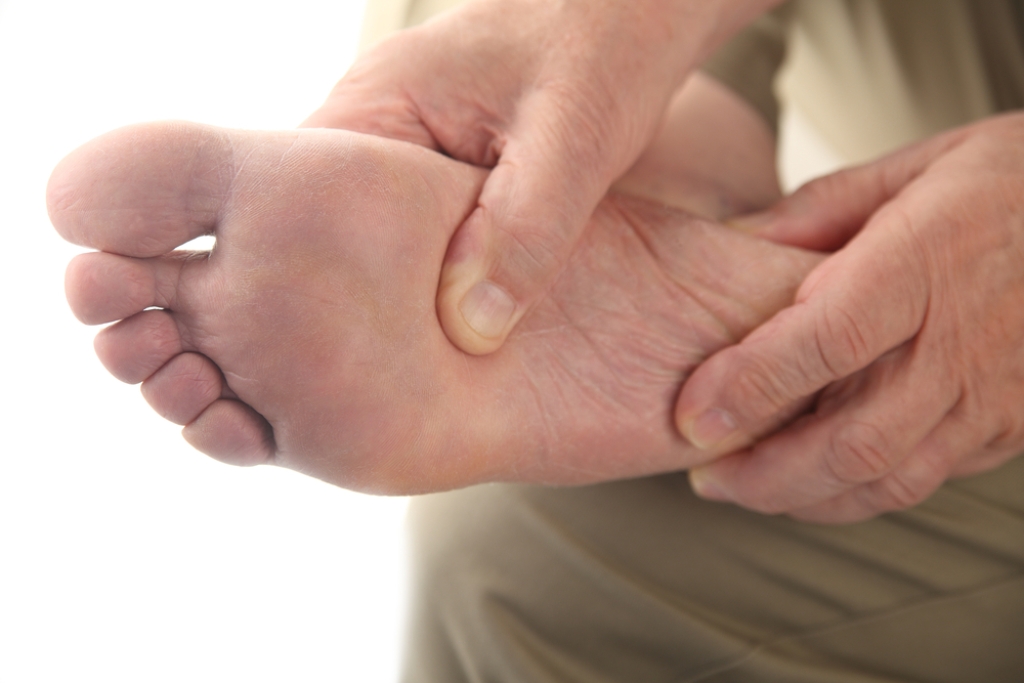
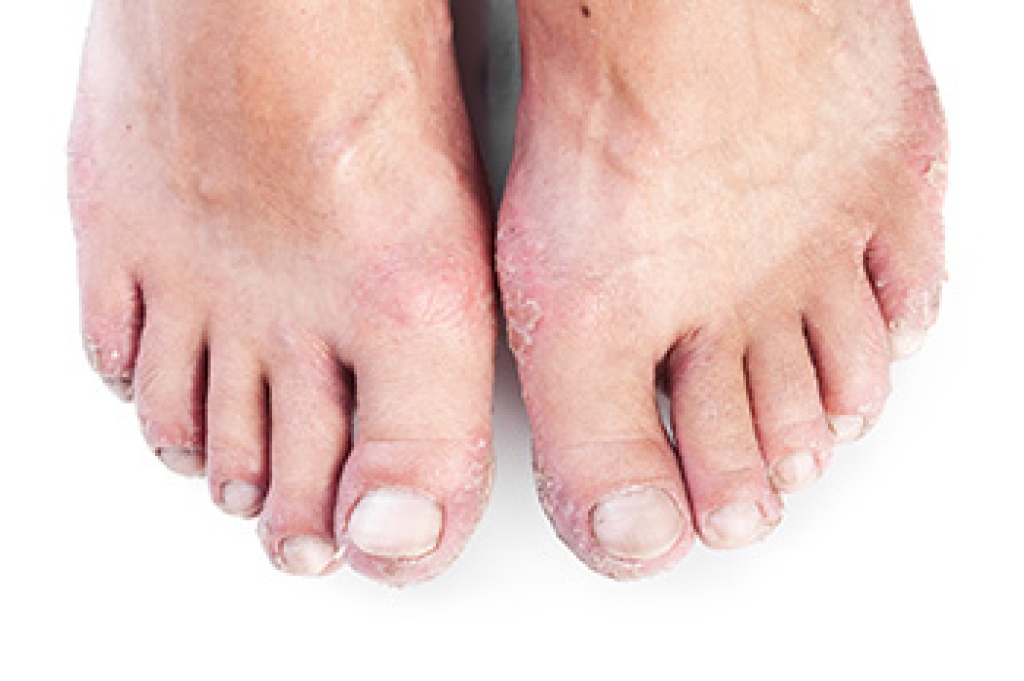
Athlete's foot, a common fungal infection, unveils a set of unmistakable symptoms that can cause considerable discomfort. The most prevalent sign is persistent itching, often concentrated between the toes. This itching is accompanied by redness and a burning sensation, creating an overall sense of irritation. The skin may peel, crack, or exhibit a scaly appearance, particularly on the soles of the feet. Blisters may also develop, adding another layer of discomfort to this fungal predicament. Foul odor emanating from the infected feet is not uncommon, as the fungus thrives in warm, moist environments. Athlete's foot can spread to the toenails, causing them to thicken and become discolored. Recognizing these symptoms is essential for seeking timely intervention. If you have developed athlete’s foot, it is strongly suggested that you contact a podiatrist. This type of doctor can offer you correct treatment solutions, which may include prescribed medicine.

Athlete’s Foot

Athlete’s foot is often an uncomfortable condition to experience. Thankfully, podiatrists specialize in treating athlete’s foot and offer the best treatment options. If you have any questions about athlete’s foot, consult with Pasquale Cancelliere, DPM from Candria Foot and Ankle Specialists. Our doctor will assess your condition and provide you with quality treatment.

What Is Athlete’s Foot?

Tinea pedis, more commonly known as athlete’s foot, is a non-serious and common fungal infection of the foot. Athlete’s foot is contagious and can be contracted by touching someone who has it or infected surfaces. The most common places contaminated by it are public showers, locker rooms, and swimming pools. Once contracted, it grows on feet that are left inside moist, dark, and warm shoes and socks.

Prevention

The most effective ways to prevent athlete’s foot include:

  • Thoroughly washing and drying feet
  • Avoid going barefoot in locker rooms and public showers
  • Using shower shoes in public showers
  • Wearing socks that allow the feet to breathe
  • Changing socks and shoes frequently if you sweat a lot

Symptoms

Athlete’s foot initially occurs as a rash between the toes. However, if left undiagnosed, it can spread to the sides and bottom of the feet, toenails, and if touched by hand, the hands themselves. Symptoms include:

  • Redness
  • Burning
  • Itching
  • Scaly and peeling skin

Diagnosis and Treatment

Diagnosis is quick and easy. Skin samples will be taken and either viewed under a microscope or sent to a lab for testing. Sometimes, a podiatrist can diagnose it based on simply looking at it. Once confirmed, treatment options include oral and topical antifungal medications.

If you have any questions, please feel free to contact our offices located in Londonderry, NH and Salem, NH . We offer the newest diagnostic and treatment technologies for all your foot care needs.
Read more about How to Deal with Athlete's Foot

The Serious Nature of Diabetic Foot Problems

Serious foot infections in diabetic individuals pose significant health risks and often lead to amputations and even death. These infections are a concerning complication of diabetes and require careful attention. They can be caused by various factors, including poor blood sugar control, reduced blood flow, and nerve damage in the feet. In diabetic foot infections, bacteria can enter through minor cuts or sores, leading to cellulitis, abscesses, or even gangrene. Early detection and prompt treatment are crucial to prevent severe complications. Common symptoms include redness, warmth, swelling, and pain in the affected foot. Treatment typically involves antibiotics, wound care, and in some cases, surgical intervention to remove infected tissue and improve blood flow. Diabetic patients must take special precautions to prevent foot infections, such as daily foot inspections, proper hygiene, wearing well-fitting shoes, and maintaining good blood sugar control. If you have diabetes, it is suggested that you schedule regular appointments with a podiatrist to monitor your foot health, and receive timely intervention to prevent serious infections.

Diabetic Limb Salvage

Diabetic limb salvage can be an effective way in preventing the need for limb amputation. If you have a foot ulcer and diabetes, consult with Pasquale Cancelliere, DPM from Candria Foot and Ankle Specialists. Our doctor will assess your condition and provide you with quality foot and ankle treatment.

What Is Diabetic Limb Salvage?

Diabetic limb salvage is the attempt of saving a limb, such as the foot, that has an infected ulcer, from amputation. Podiatrists also try to make sure that there is enough function in the foot after the salvage that it is still usable. Those with diabetes experience poor blood circulation, which prevents proper healing of an ulcer. If the ulcer is left uncheck, it could become infected, which could result in the need for amputation.

Diabetes is the number one cause of non-traumatic amputations in the United States. Amputation has been found to lead to higher mortality rates. This translates into higher healthcare costs, and a reduced quality of life and mobility for amputees. Podiatrists have attempted to increase the prevalence of limb salvage in an attempt to solve these issues.

Diagnosis and Treatment

Limb salvage teams have grown in recent years that utilize a number of different treatments to save the infected limb. This includes podiatrists that specialize in wound care, rehabilitation, orthotics, and surgery. Through a combination of these methods, limb salvage has been found to be an effective treatment for infected limbs, and as an alternative to amputation. Podiatrists will first evaluate the potential for limb salvage and determine if the limb can be saved or must be amputated. 

If you have any questions, please feel free to contact our offices located in Londonderry, NH and Salem, NH . We offer the newest diagnostic and treatment technologies for all your foot care needs.

Read more about Diabetic Limb Salvage

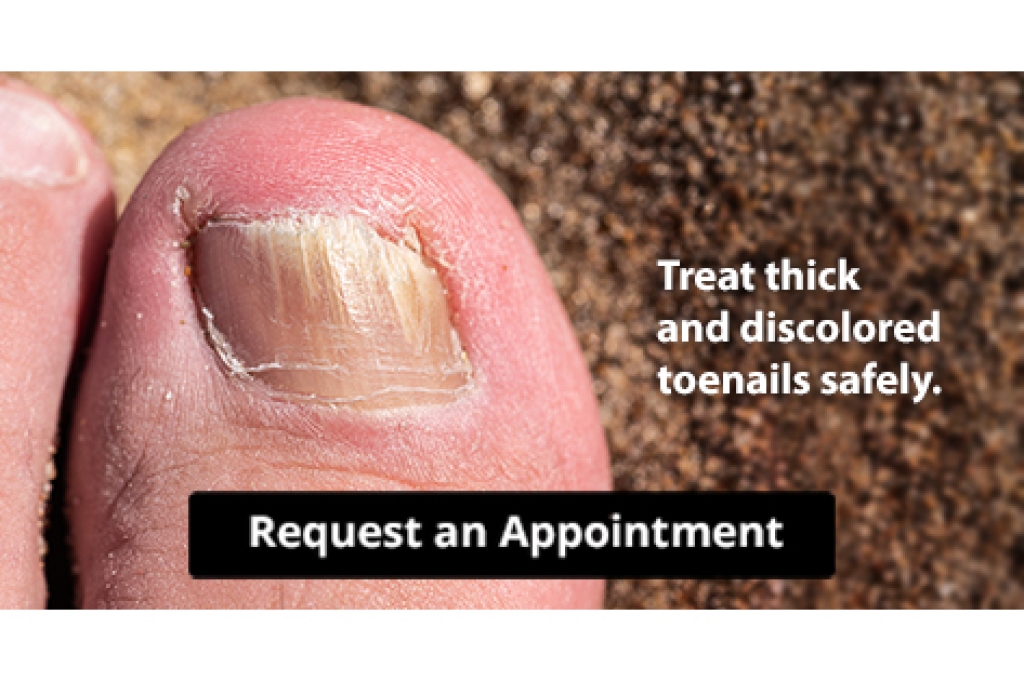
Stop Your Toenail Fungus

Have you noticed discoloration of your toenails? Have they become thickened or brittle? If so, you may be experiencing symptoms of a fungal nail infection. For some, having a fungal nail can be embarrassing. Overcome your embarrassment, and get treated.

Stop Your Toenail Fungus

Have you noticed discoloration of your toenails? Have they become thickened or brittle? If so, you may be experiencing symptoms of a fungal nail infection. For some, having a fungal nail can be embarrassing. Overcome your embarrassment, and get treated.

Exercise Strategies for Preventing Running Injuries

Embarking on a running journey is not only invigorating but also demands a proactive approach to prevent injuries and ensure a sustained passion for the sport. Incorporating targeted exercises into your routine is key to building strength and resilience. Strengthening the muscles surrounding the knees and ankles through exercises such as lunges and calf raises enhances stability, reducing the risk of sprains and strains. Core exercises contribute to overall body balance, promoting a more efficient running gait. Flexibility exercises, such as dynamic stretches, help improve the range of motion and minimize the impact on joints. Regular strength training sessions, focusing on both the upper and lower body, foster muscular endurance that is vital for sustained running performance. Listening to your body, incorporating adequate rest, and gradually increasing mileage are essential components of injury prevention. If you are seeking more information about how running injuries may affect the feet, in addition to learning about effective prevention methods, it is suggested that you schedule an appointment with a podiatrist.

Exercising your feet regularly with the proper foot wear is a great way to prevent injuries. If you have any concerns about your feet, contact Pasquale Cancelliere, DPM of Candria Foot and Ankle Specialists. Our doctor will treat your foot and ankle needs.

How to Prevent Running Injuries

Many common running injuries are caused by overuse and overtraining. When the back of the kneecap starts wearing out and starts causing pain in your knee, this is commonly referred to as runner’s knee. Runner’s knee is a decrease in strength in your quadriceps and can occur if you’re not wearing properly fitted or supporting shoes. To prevent runner’s knee, focusing on hip strengthening is a good idea, as well as strengthening your quads to keep the kneecaps aligned.

What Are Some Causes of Running Injuries? 
- One cause of a common running injury is called iliotibial band syndrome.
- Plantar fasciitis is also another common injury.
- Stress fractures can occur from overtraining, lack of calcium, or even your running style.

Best Ways to Prevent Running Injuries
- Wear footwear that fits properly and suits your running needs.
- Running shoes are the only protective gear that runners have to safeguard them from injury.
- Make a training schedule. Adding strengthening exercises as well as regular stretching can help keep you strong and limber and can lessen the possibility of injuries.
- Stretching keeps muscles limber; this will help you gain better flexibility.

If you have any questions, please feel free to contact our offices located in Londonderry, NH and Salem, NH . We offer the newest diagnostic and treatment technologies for all your foot care needs.
Read more about How to Prevent Running Injuries

The Effects of Psoriatic Arthritis on the Feet and Ankles

Psoriasis is a visible autoimmune disease characterized by red patches of skin with silvery scales. It results from an overactive immune system, attacking healthy tissue and causing excess skin cell production. However, this immune response can also trigger inflammation in joints. Approximately one-third of psoriasis patients develop psoriatic arthritis, or PsA, a chronic inflammatory joint disease. Often, psoriasis precedes PsA, but joint issues can emerge before skin symptoms, or may be so mild that patients do not connect them with psoriasis. Psoriatic arthritis can affect any joint, including the ankles and tendons around them. Symptoms include pain, tenderness, swelling, and warmth in the joints. Foot-related problems from PsA can include swelling of entire toes, heel pain from Achilles' tendon inflammation, and sole pain due to plantar fascia inflammation. Additionally, it can cause nail changes such as lifting, pitting, discoloration, or thickening. Managing PsA involves symptom control and joint protection. If you have psoriatic arthritis and it is impacting the comfort of your feet or ankles, it is suggested that you schedule an appointment with a podiatrist for a correct diagnosis and treatment options.

Arthritis can be a difficult condition to live with. If you are seeking treatment, contact Pasquale Cancelliere, DPM from Candria Foot and Ankle Specialists. Our doctor can provide the care you need to keep you pain-free and on your feet.

Arthritic Foot Care  

Arthritis is a joint disorder that involves the inflammation of different joints in your body, such as those in your feet. Arthritis is often caused by a degenerative joint disease and causes mild to severe pain in all affected areas. In addition to this, swelling and stiffness in the affected joints can also be a common symptom of arthritis.

In many cases, wearing ill-fitting shoes can worsen the effects and pain of arthritis. Wearing shoes that have a lower heel and extra room can help your feet feel more comfortable. In cases of rheumatoid arthritis, the arch in your foot may become problematic. Buying shoes with proper arch support that contour to your feet can help immensely.

Alleviating Arthritic Pain

  • Exercises that stretch the foot can prevent further pain and injury and increase mobility
  • Most of the pain can be alleviated with anti-inflammatory drugs, heat, and topical medications
  • Massages can help temporarily alleviate pain.

It is best to see your doctor for the treatment that is right for your needs and symptoms. Conditions vary, and a podiatrist can help you determine the right method of care for your feet.

If you have any questions please feel free to contact our offices located in Londonderry, NH and Salem, NH . We offer the newest diagnostic tools and technology to treat your foot and ankle needs.

Read more about Arthritic Foot Care

Definition and Grades of Ankle Sprains

An ankle sprain is a common injury, characterized by the stretching or tearing of ligaments connecting the bones in the ankle joint. The severity of ankle sprains is often classified into three grades, each delineating the extent of ligament damage. In Grade I sprains, ligaments stretch but experience minimal tearing, causing mild pain and swelling. Grade II sprains involve partial ligament tears, resulting in moderate pain, swelling, and difficulty bearing weight on the affected ankle. The most severe, Grade III sprains, signify complete ligament tears, leading to significant pain, swelling, and instability, often rendering the affected ankle incapable of bearing weight. Recognizing the distinct grades is essential for accurate diagnosis and appropriate treatment. Understanding the gradation of ankle sprains empowers individuals to address these injuries effectively and facilitate a smoother recovery process. If you have sprained your ankle, it is suggested that you visit a podiatrist who can offer the treatment that is right for you.

Ankle sprains are common but need immediate attention. If you need your feet checked, contact Pasquale Cancelliere, DPM from Candria Foot and Ankle Specialists. Our doctor can provide the care you need to keep you pain-free and on your feet.

How Does an Ankle Sprain Occur?

Ankle sprains take place when the ligaments in your ankle are torn or stretched beyond their limits. There are multiple ways that the ankle can become injured, including twisting or rolling over onto your ankle, putting undue stress on it, or causing trauma to the ankle itself.

What Are the Symptoms?

  • Mild to moderate bruising
  • Limited mobility
  • Swelling
  • Discoloration of the skin (depending on severity)

Preventing a Sprain

  • Wearing appropriate shoes for the occasion
  • Stretching before exercises and sports
  • Knowing your limits

Treatment of a Sprain

Treatment of a sprain depends on the severity.  Many times, people are told to rest and remain off their feet completely, while others are given an air cast. If the sprain is very severe, surgery may be required.

If you have suffered an ankle sprain previously, you may want to consider additional support such as a brace and regular exercises to strengthen the ankle.

If you have any questions please feel free to contact our offices located in Londonderry, NH and Salem, NH . We offer the newest diagnostic tools and technology to treat your foot and ankle needs.

Read more about Ankle Sprains

What to Expect From Hammertoe Surgery

Hammertoe surgery is a procedure designed to address the deformities associated with hammertoe, a condition in which one or more toe joints become bent. Before the surgery, your podiatrist will conduct a thorough evaluation, including a physical examination, and possibly perform an X-ray that can assess the extent of the deformity and determine the best course of action. They will also have a discussion with you about the procedure, its potential risks, benefits, and alternative treatments. Depending on the complexity of your case and your preferences, hammertoe surgery can be performed under local anesthesia with or without sedation, or under general anesthesia. During the surgery, your surgeon will make incisions, reposition the affected toe joint, and may remove a small piece of bone or tendon. The toe will then be straightened and secured in its corrected position, often using pins, wires, or screws. Following the surgery, you will likely wear a special shoe or cast to protect the toe. Initially, you may experience swelling and discomfort, but these symptoms can gradually improve over time. If you have a hammertoe that is causing you pain, it is suggested that you make an appointment with a podiatrist to determine whether surgery can help improve your comfort and foot function.

Foot surgery is sometimes necessary to treat a foot ailment. To learn more, contact Pasquale Cancelliere, DPM of Candria Foot and Ankle Specialists. Our doctor will assist you with all of your foot and ankle needs.

When Is Surgery Necessary?

Foot and ankle surgery is generally reserved for cases in which less invasive, conservative procedures have failed to alleviate the problem. Some of the cases in which surgery may be necessary include:

  • Removing foot deformities like bunions and bone spurs
  • Severe arthritis that has caused bone issues
  • Cosmetic reconstruction

What Types of Surgery Are There?

The type of surgery you receive will depend on the nature of the problem you have. Some of the possible surgeries include:

  • Bunionectomy for painful bunions
  • Surgical fusion for realignment of bones
  • Neuropathy decompression surgery to treat nerve damage

Benefits of Surgery

Although surgery is usually a last resort, it can provide more complete pain relief compared to non-surgical methods and may allow you to finally resume full activity.

Surgical techniques have also become increasingly sophisticated. Techniques like endoscopic surgery allow for smaller incisions and faster recovery times.

If you have any questions, please feel free to contact our offices located in Londonderry, NH and Salem, NH . We offer the newest diagnostic and treatment technologies for all your foot care needs.
Read more about Foot and Ankle Surgery

Exploring Underlying Causes of Cracked Heels

Cracked heels, a common foot woe, often disrupts the smoothness of our soles and serves as a visual cue of underlying issues. Dry, flaky skin on the heels is typically the first sign, progressing into painful fissures if left unaddressed. The causes of cracked heels are multifaceted, encompassing factors such as prolonged standing, obesity, and wearing poorly fitted shoes that contribute to increased pressure on the feet. Dry and harsh weather conditions strip the skin of its natural moisture, exacerbating the problem. Lack of proper foot care, inadequate hydration, and certain medical conditions, like diabetes or thyroid disorders, can also play a role. Additionally, an insufficient intake of vitamins and minerals, particularly zinc and omega-3 fatty acids, may contribute to compromised skin health. Understanding the root causes of cracked heels is essential for implementing effective preventive measures. If you have developed cracked heels, it is suggested that you consult a podiatrist who can determine what the cause is, offer effective treatment options, and guide you toward prevention techniques.

Cracked heels are unsightly and can cause further damage to your shoes and feet. If you have any concerns, contact Pasquale Cancelliere, DPM from Candria Foot and Ankle Specialists. Our doctor can provide the care you need to keep you pain-free and on your feet.

Cracked Heels

Cracked heels appear unappealing and can make it harder for you walk around in sandals. Aside from looking unpleasant, cracked heels can also tear stockings, socks, and wear out your shoes. There are several methods to help restore a cracked heel and prevent further damage.

How Do You Get Them?

Dry skin is the number one culprit in creating cracked heels. Many athletes, walkers, joggers, and even swimmers suffer from cracked heels. Age and skin oil production play a role to getting cracked heels as well.

Promote Healing

Over the counter medicines can help, especially for those that need instant relief or who suffer from chronic dry feet.

Wear Socks – Wearing socks with medicated creams helps lock in moisture.

Moisturizers – Applying both day and night will help alleviate dryness which causes cracking.

Pumice Stones – These exfoliate and remove dead skin, which allows for smoother moisturizer application and better absorption into the skin. 

Change in Diet

Eating healthy with a well-balanced diet will give the skin a fresh and radiant look. Your body responds to the kinds of food you ingest. Omega-3 fatty acids and zinc supplements can also revitalize skin tissue.

Most importantly, seek professional help if unsure how to proceed in treating cracked heels. A podiatrist will help you with any questions or information needed. 

If you have any questions, please feel free to contact our offices located in Londonderry, NH and Salem, NH . We offer the newest diagnostic and treatment technologies for all your foot care needs.

Read more about Solutions for Cracked Heels

How a Podiatrist Can Help With Foot Care

A podiatrist specializes in foot care, providing comprehensive services that can maintain foot health in addition to addressing issues that affect daily comfort and mobility. These medically trained foot doctors offer routine care like trimming nails and managing calluses, which can prevent complications, especially in individuals with diabetes or circulation problems. Podiatrists diagnose and treat conditions such as bunions, heel pain, and plantar fasciitis, often relieving chronic discomfort. They also provide expert advice on proper footwear to support various foot shapes and alleviate pressure points. For athletes, they can help optimize foot function and performance through custom orthotics and injury management. Moreover, a podiatrist plays a vital role in the early detection of serious health problems manifested in the feet, ensuring timely interventions. In an effort to keep your feet healthy, it is suggested that you make routine appointments with a podiatrist who can help you prevent minor issues from becoming severe.

Everyday foot care is very important to prevent infection and other foot ailments. If you need your feet checked, contact Pasquale Cancelliere, DPM from Candria Foot and Ankle Specialists. Our doctor can provide the care you need to keep you pain-free and on your feet.

Everyday Foot Care

Often, people take care of their bodies, face and hair more so than they do for their feet. But the feet are a very important aspect of our bodies, and one that we should pay more attention to. Without our feet, we would not be able to perform most daily tasks.

It is best to check your feet regularly to make sure there are no new bruises or cuts that you may not have noticed before. For dry feet, moisturizer can easily be a remedy and can be applied as often as necessary to the affected areas. Wearing shoes that fit well can also help you maintain good foot health, as well as making it easier to walk and do daily activities without the stress or pain of ill-fitting shoes, high heels, or even flip flops. Wearing clean socks with closed shoes is important to ensure that sweat and bacteria do not accumulate within the shoe. Clean socks help to prevent Athlete’s foot, fungi problems, bad odors, and can absorb sweat.

If you have any questions, please feel free to contact our offices located in Londonderry, NH and Salem, NH . We offer the newest diagnostic and treatment technologies for all your foot care needs.
Read more about Every Day Foot Care
scroll to top