
Gout is a painful, inflammatory form of arthritis. Those affected will typically feel an intense stiffness in the joints of their feet, particularly in the big toe. Schedule a visit to learn about how gout can be managed and treated.


Gout is a painful, inflammatory form of arthritis. Those affected will typically feel an intense stiffness in the joints of their feet, particularly in the big toe. Schedule a visit to learn about how gout can be managed and treated.
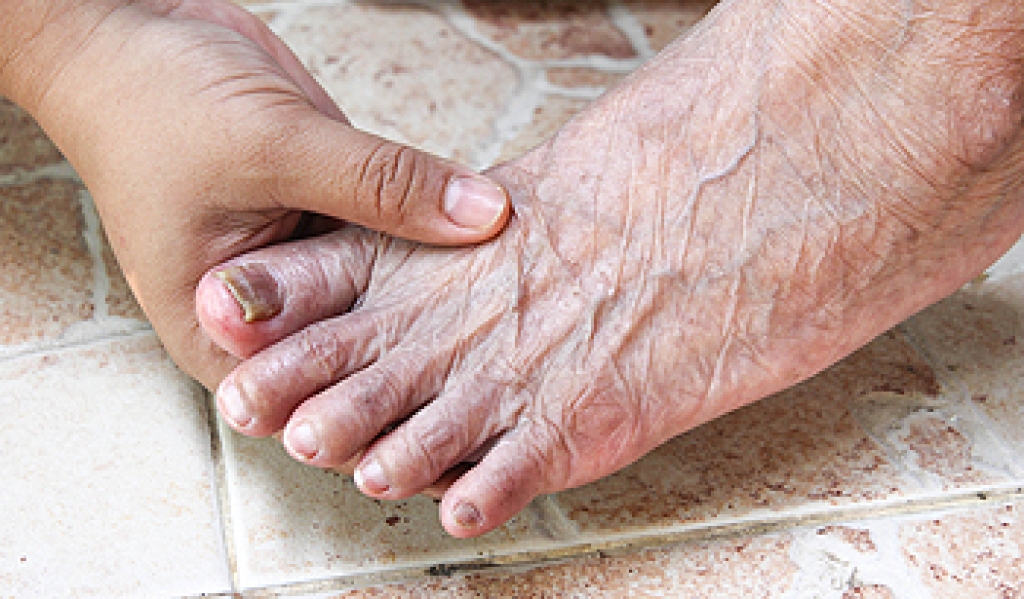
Thick toenails are a common condition where the toenails become abnormally thick, often appearing yellowish or discolored. This condition can be caused by fungal infections, aging, trauma to the toenail, or underlying health conditions like diabetes or psoriasis. The symptoms of thick toenails include visible thickening, discoloration, and sometimes crumbling or brittle edges. The toenails may also become painful, especially when pressure is applied, or when wearing tight shoes. In severe cases, the nail may lift from the nail bed or become misshapen. Treatment for thick toenails depends on the cause. If caused by a fungal infection, antifungal medications, either topical or oral, are typically used. In some cases, a podiatrist may recommend trimming or debriding the toenail, or using laser therapy to treat fungal infections. A podiatrist can diagnose the underlying cause and provide effective treatments for thick toenails. If you are experiencing this condition, it is suggested that you make an appointment with a podiatrist.
If left untreated, toenail fungus may spread to other toenails, skin, or even fingernails. If you suspect you have toenail fungus it is important to seek treatment right away. For more information about treatment, contact Pasquale Cancelliere, DPM of Candria Foot and Ankle Specialists. Our doctor can provide the care you need to keep you pain-free and on your feet.
Symptoms
Treatment
If self-care strategies and over-the-counter medications does not help your fungus, your podiatrist may give you a prescription drug instead. Even if you find relief from your toenail fungus symptoms, you may experience a repeat infection in the future.
Prevention
In order to prevent getting toenail fungus in the future, you should always make sure to wash your feet with soap and water. After washing, it is important to dry your feet thoroughly especially in between the toes. When trimming your toenails, be sure to trim straight across instead of in a rounded shape. It is crucial not to cover up discolored nails with nail polish because that will prevent your nail from being able to “breathe”.
In some cases, surgical procedure may be needed to remove the toenail fungus. Consult with your podiatrist about the best treatment options for your case of toenail fungus.
If you have any questions please contact our offices located in Londonderry, NH and Salem, NH . We offer the newest diagnostic and treatment technologies for all your foot and ankle needs.

Selecting the right running shoes for your intended terrain is essential for comfort, performance, and injury prevention. For road running, choose lightweight shoes with adequate cushioning to absorb impact on hard, flat surfaces. Look for breathable materials and a snug fit to prevent blisters during longer runs. Trail running requires sturdier shoes with rugged soles for better grip on uneven, rocky, or muddy terrain. Waterproof or water-resistant materials can keep your feet dry in wet conditions. For treadmill running, focus on shoes with shock absorption and flexibility to handle the repetitive motion. Always consider your foot type, such as flat feet or high arches, when choosing shoes to ensure proper support and alignment. Worn or inappropriate shoes can lead to discomfort or injury. For expert guidance on choosing the right running shoes for yourself, it is suggested that you see a podiatrist to ensure your footwear matches your running needs.
If you are a runner, wearing the right running shoe is essential. For more information, contact Pasquale Cancelliere, DPM from Candria Foot and Ankle Specialists. Our doctor can provide the care you need to keep you pain-free and on your feet.
Choosing the Right Running Shoe for Your Foot Type
To increase performance and avoid the risk of injury, it is important to choose the right running shoe based on your foot type. The general design of running shoes revolves around pronation, which is how the ankle rolls from outside to inside when the foot strikes the ground.
If you have any questions, please feel free to contact our offices located in Londonderry, NH and Salem, NH . We offer the newest diagnostic and treatment technologies for all your foot care needs.

Sever's disease, also known as calcaneal apophysitis, is a common cause of heel pain in growing children, particularly those who are active in sports. This condition occurs when the growth plate at the back of the heel becomes irritated due to repetitive stress or overuse. It is often seen in children between the ages of eight and 14, especially those who participate in activities that involve running or jumping. Symptoms of Sever's disease include pain, tenderness, and swelling at the back of the heel, which may worsen during or after physical activity. Management of this condition typically involves rest and elevation to reduce inflammation. Stretching and strengthening exercises for the Achilles tendon and calf muscles can also help to relieve symptoms, and wearing cushioned shoes or using orthotic insoles may provide additional comfort. If your active child has heel pain, it is suggested that you consult a podiatrist who can accurately diagnose and treat Sever’s disease.
Sever's disease often occurs in children and teens. If your child is experiencing foot or ankle pain, see Pasquale Cancelliere, DPM from Candria Foot and Ankle Specialists. Our doctor can treat your child’s foot and ankle needs.
Sever’s Disease
Sever’s disease is also known as calcaneal apophysitis, which is a medical condition that causes heel pain I none or both feet. The disease is known to affect children between the ages of 8 and 14.
Sever’s disease occurs when part of the child’s heel known as the growth plate (calcaneal epiphysis) is attached to the Achilles tendon. This area can suffer injury when the muscles and tendons of the growing foot do not keep pace with bone growth. Therefore, the constant pain which one experiences at the back of the heel will make the child unable to put any weight on the heel. The child is then forced to walk on their toes.
Symptoms
Acute pain – Pain associated with Sever’s disease is usually felt in the heel when the child engages in physical activity such as walking, jumping and or running.
Highly active – Children who are very active are among the most susceptible in experiencing Sever’s disease, because of the stress and tension placed on their feet.
If you have any questions, please feel free to contact our offices located in Londonderry, NH and Salem, NH . We offer the newest diagnostic and treatment technologies for all your foot care needs.
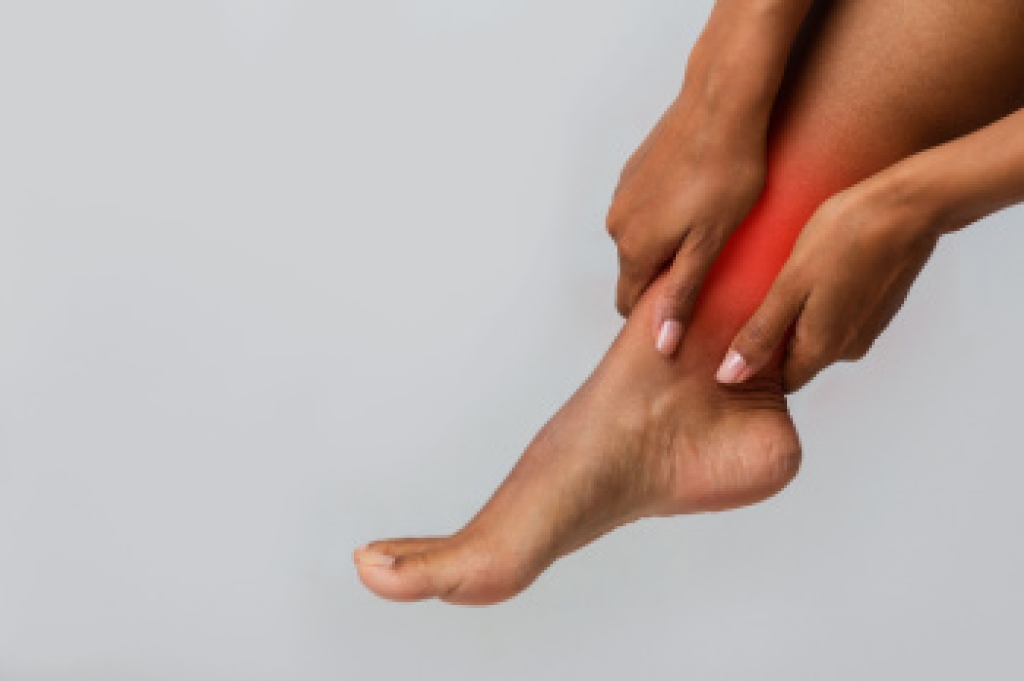
Ankle impingement occurs when soft tissues, such as ligaments or tendons, become pinched between the bones of the ankle joint, leading to pain and restricted movement. This condition often develops due to repetitive ankle use or trauma, such as a sprain, making it common among athletes, dancers, and individuals with occupations requiring repetitive ankle motion. People with ankle impingement typically feel a sharp, localized pain at the front or back of the ankle. The pain may worsen with certain movements, like deep squats, running, or jumping. Stiffness, swelling, and a clicking sensation might also accompany the discomfort. Diagnosing ankle impingement involves a physical exam, patient history, and imaging like X-rays or MRI scans to identify structural changes. Treatment ranges from rest and targeted exercises to cortisone injections or, in severe cases, surgery to relieve the pressure and restore mobility. If you have ankle pain, it is suggested that you schedule an appointment with a podiatrist for a proper diagnosis and treatment.
Ankle pain can have many different causes and the pain may potentially be serious. If you have ankle pain, consult with Pasquale Cancelliere, DPM from Candria Foot and Ankle Specialists. Our doctor will assess your condition and provide you with quality foot and ankle treatment.
Ankle pain is any condition that causes pain in the ankle. Due to the fact that the ankle consists of tendons, muscles, bones, and ligaments, ankle pain can come from a number of different conditions.
Causes
The most common causes of ankle pain include:
Symptoms
Symptoms of ankle injury vary based upon the condition. Pain may include general pain and discomfort, swelling, aching, redness, bruising, burning or stabbing sensations, and/or loss of sensation.
Diagnosis
Due to the wide variety of potential causes of ankle pain, podiatrists will utilize a number of different methods to properly diagnose ankle pain. This can include asking for personal and family medical histories and of any recent injuries. Further diagnosis may include sensation tests, a physical examination, and potentially x-rays or other imaging tests.
Treatment
Just as the range of causes varies widely, so do treatments. Some more common treatments are rest, ice packs, keeping pressure off the foot, orthotics and braces, medication for inflammation and pain, and surgery.
If you have any questions please feel free to contact our offices located in Londonderry, NH and Salem, NH . We offer the newest diagnostic tools and technology to treat your foot and ankle needs.
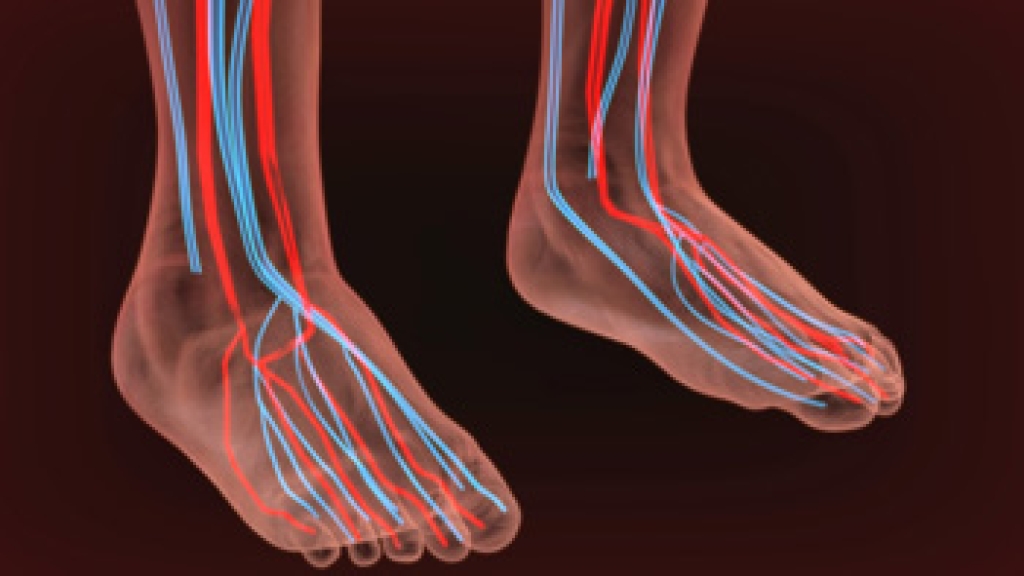
Poor circulation in the feet occurs when blood flow to the lower extremities is reduced, often leading to discomfort and other health concerns. This condition can be caused by various factors such as diabetes, smoking, obesity, or heart disease. The most common symptoms of poor circulation include cold feet, numbness, tingling sensations, swelling, and discoloration. In more severe cases, it can lead to wounds that heal slowly or even tissue damage. Improving circulation in the feet can be achieved through several methods. Regular physical activity, such as walking or swimming, promotes better blood flow and strengthens the heart. Elevating the feet, wearing compression socks, and avoiding tight footwear can also help enhance circulation. Maintaining a healthy diet, staying hydrated, and not smoking are essential for long-term circulation health. If you have symptoms of poor circulation in your feet, it is suggested that you consult a podiatrist who can offer you effective relief and treatment solutions.
Poor circulation is a serious condition and needs immediate medical attention. If you have any concerns with poor circulation in your feet contact Pasquale Cancelliere, DPM of Candria Foot and Ankle Specialists. Our doctor will treat your foot and ankle needs.
Poor Circulation in the Feet
Poor blood circulation in the feet and legs is can be caused by peripheral artery disease (PAD), which is the result of a buildup of plaque in the arteries.
Plaque buildup or atherosclerosis results from excess calcium and cholesterol in the bloodstream. This can restrict the amount of blood which can flow through the arteries. Poor blood circulation in the feet and legs are sometimes caused by inflammation in the blood vessels, known as vasculitis.
Causes
Lack of oxygen and oxygen from poor blood circulation restricts muscle growth and development. It can also cause:
Those who have diabetes or smoke are at greatest risk for poor circulation, as are those who are over 50. If you have poor circulation in the feet and legs it may be caused by PAD and is important to make changes to your lifestyle in order to reduce risk of getting a heart attack or stroke. Exercise and maintaining a healthy lifestyle will dramatically improve conditions.
As always, see a podiatrist as he or she will assist in finding a regimen that suits you. A podiatrist can also prescribe you any needed medication.
If you have any questions, please feel free to contact our offices located in Londonderry, NH and Salem, NH . We offer the newest diagnostic and treatment technologies for all your foot care needs.
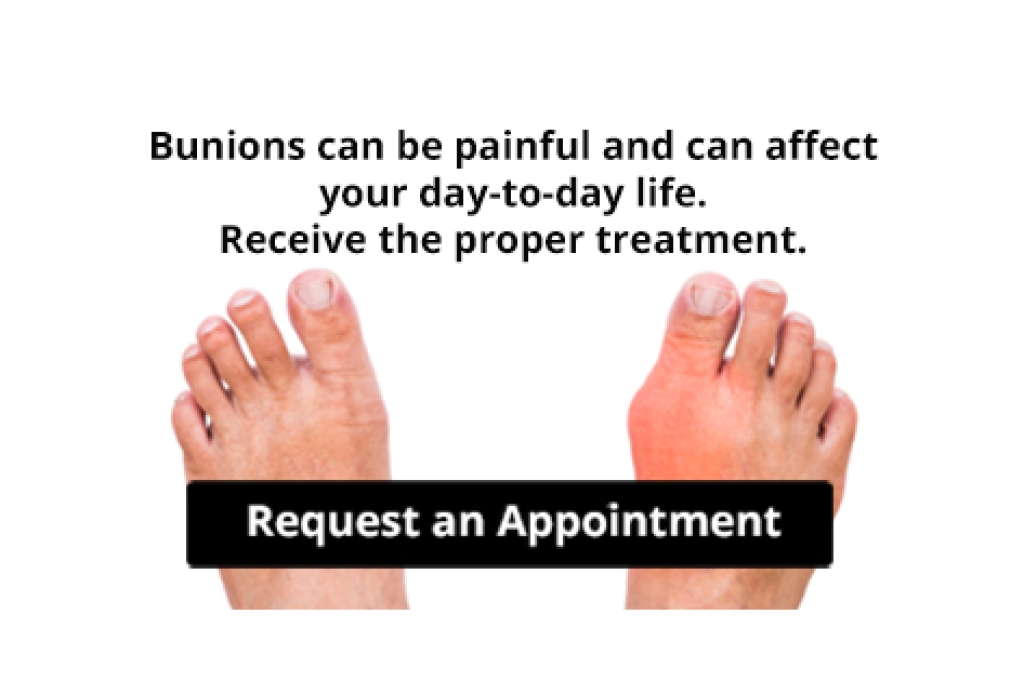
Have you noticed a bony protrusion on the side of your big toe? If so, you may have developed the foot condition known as a bunion. Don't let bunions interfere with your daily activities.
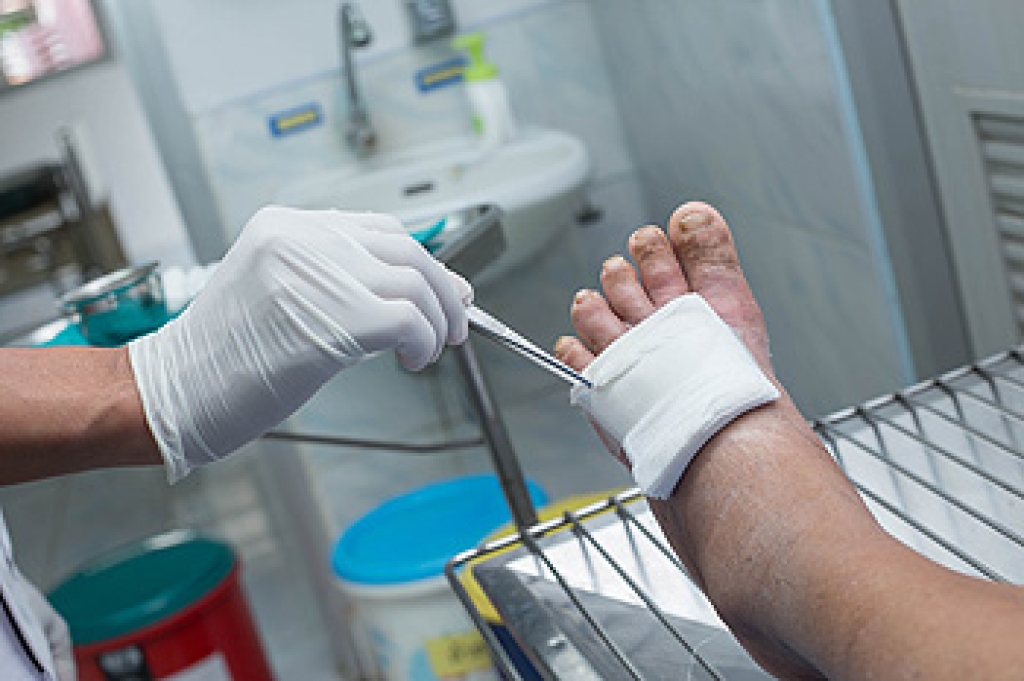
Diabetic foot ulcers can be a significant complication for people with diabetes due to reduced sensation and poor circulation in the feet. These ulcers often develop from minor injuries or pressure points that go unnoticed, as decreased nerve function can mask pain, and poor circulation inhibits healing. A podiatrist plays an essential role in diagnosing and managing foot ulcers to prevent serious infections. Treatment typically includes debridement, which involves removing dead or infected tissue to clean the wound and stimulate recovery. A podiatrist will also assess the depth and severity of the ulcer, ensuring that no foreign materials are present. Protective measures, such as specialized footwear or casts, may be recommended to reduce pressure on the affected area. Regular wound care, including cleaning and dressing changes, further supports recovery. Maintaining controlled blood sugar levels is vital, as it aids in faster healing and reduces the risk of infection. If you have foot ulcers as a result of diabetes, it is suggested that you schedule regular appointments with a podiatrist.
Diabetic foot care is important in preventing foot ailments such as ulcers. If you are suffering from diabetes or have any other concerns about your feet, contact Pasquale Cancelliere, DPM from Candria Foot and Ankle Specialists. Our doctor can provide the care you need to keep you pain-free and on your feet.
Diabetic Foot Care
Diabetes affects millions of people every year. The condition can damage blood vessels in many parts of the body, especially the feet. Because of this, taking care of your feet is essential if you have diabetes, and having a podiatrist help monitor your foot health is highly recommended.
The Importance of Caring for Your Feet
Patients with diabetes should have their doctor monitor their blood levels, as blood sugar levels play such a huge role in diabetic care. Monitoring these levels on a regular basis is highly advised.
It is always best to inform your healthcare professional of any concerns you may have regarding your feet, especially for diabetic patients. Early treatment and routine foot examinations are keys to maintaining proper health, especially because severe complications can arise if proper treatment is not applied.
If you have any questions, please feel free to contact our offices located in Londonderry, NH and Salem, NH . We offer the newest diagnostic and treatment technologies for all your foot care needs.
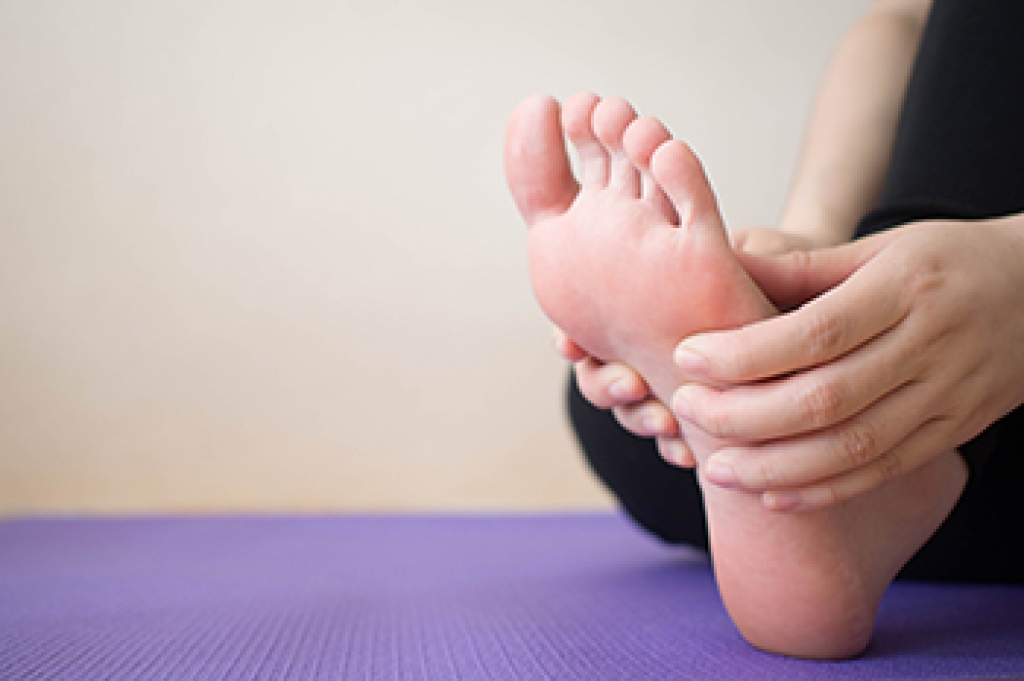
Bumps on the bottom of the foot, such as plantar fibromas, are often benign growths that develop in the tissue beneath the skin, known as the plantar fascia. However, other conditions like calluses or bone spurs can also cause similar lumps. Plantar fibromas are firm, rubbery lumps that can vary in size and may cause discomfort or pain, especially when walking or standing. The exact cause of plantar fibromas is unclear, but factors like genetics, trauma, or repetitive stress on the feet can contribute. Symptoms include localized pain, swelling, and sometimes a noticeable lump under the arch of the foot. In some cases, the fibroma or lump can interfere with movement and cause difficulty with footwear. Treatment options range from conservative methods, such as stretching exercises, orthotic insoles, and corticosteroid injections, to surgical removal, in more severe cases. A podiatrist can provide a thorough diagnosis and tailored treatment plan to relieve discomfort and prevent further complications. If you have this condition, it is suggested that you schedule an appointment with a podiatrist.
Foot Pain
Foot pain can be extremely painful and debilitating. If you have a foot pain, consult with Pasquale Cancelliere, DPM from Candria Foot and Ankle Specialists. Our doctor will assess your condition and provide you with quality foot and ankle treatment.
Causes
Foot pain is a very broad condition that could be caused by one or more ailments. The most common include:
Diagnosis
To figure out the cause of foot pain, podiatrists utilize several different methods. This can range from simple visual inspections and sensation tests to X-rays and MRI scans. Prior medical history, family medical history, and any recent physical traumatic events will all be taken into consideration for a proper diagnosis.
Treatment
Treatment depends upon the cause of the foot pain. Whether it is resting, staying off the foot, or having surgery; podiatrists have a number of treatment options available for foot pain.
If you have any questions, please feel free to contact our offices located in Londonderry, NH and Salem, NH . We offer the newest diagnostic and treatment technologies for all your foot care needs.
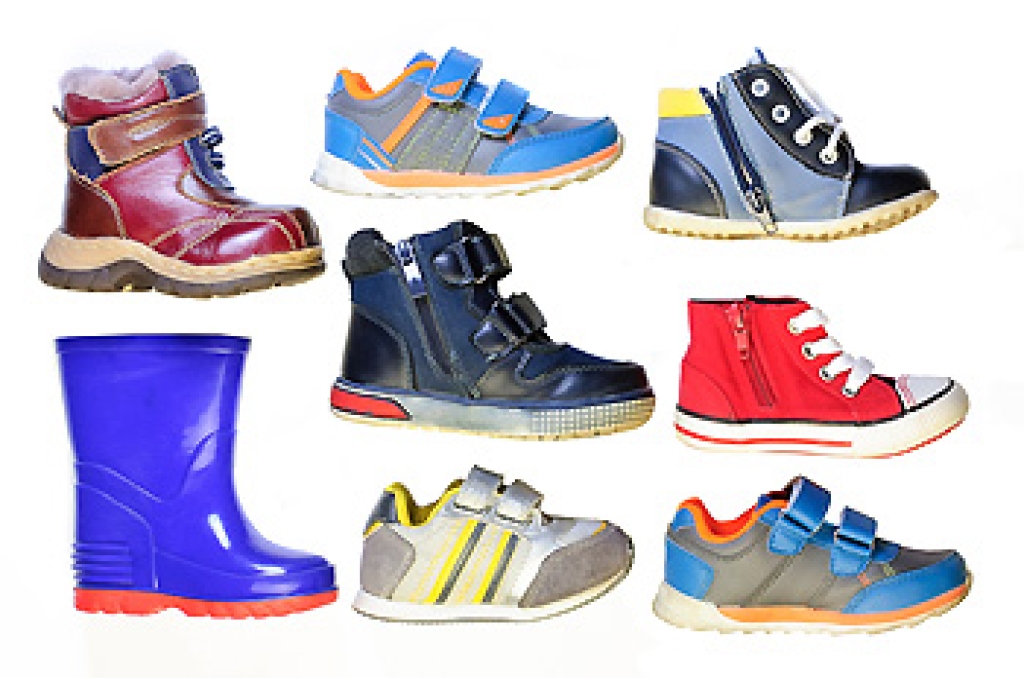
Selecting the right shoes for toddlers is essential for their comfort and foot development. It is important to choose shoes when your toddler begins to walk, as proper footwear can support their growing feet. Look for shoes that provide ample room for the toes to move freely, as tight shoes can hinder natural foot development. Soft, flexible soles are key to allowing the feet to move naturally while providing protection. Ensure the shoes have adequate arch support and cushioning to absorb shock and reduce pressure on the feet. The fit is important, so check the shoes regularly to ensure they are not too tight as your child’s feet grow quickly. Choose lightweight shoes that are easy to put on and take off, helping to foster independence in toddlers while keeping their feet safe and healthy. If your child has a foot condition, it is suggested that you consult a podiatrist who can accurately diagnose the problem, offer effective treatment solutions, as well as educate you on the first shoes for your toddler.
The health of a child’s feet is vital to their overall well-being. If you have any questions regarding foot health, contact Pasquale Cancelliere, DPM of Candria Foot and Ankle Specialists. Our doctor can provide the care you need to keep you pain-free and on your feet.
Tips for Keeping Children's Feet Healthy
If you have any questions, please feel free to contact our offices located in Londonderry, NH and Salem, NH . We offer the newest diagnostic and treatment technologies for all your foot care needs.
