
Like us on facebook
Follow us on twitter
review us on google

What Are the Symptoms of Athlete’s Foot?

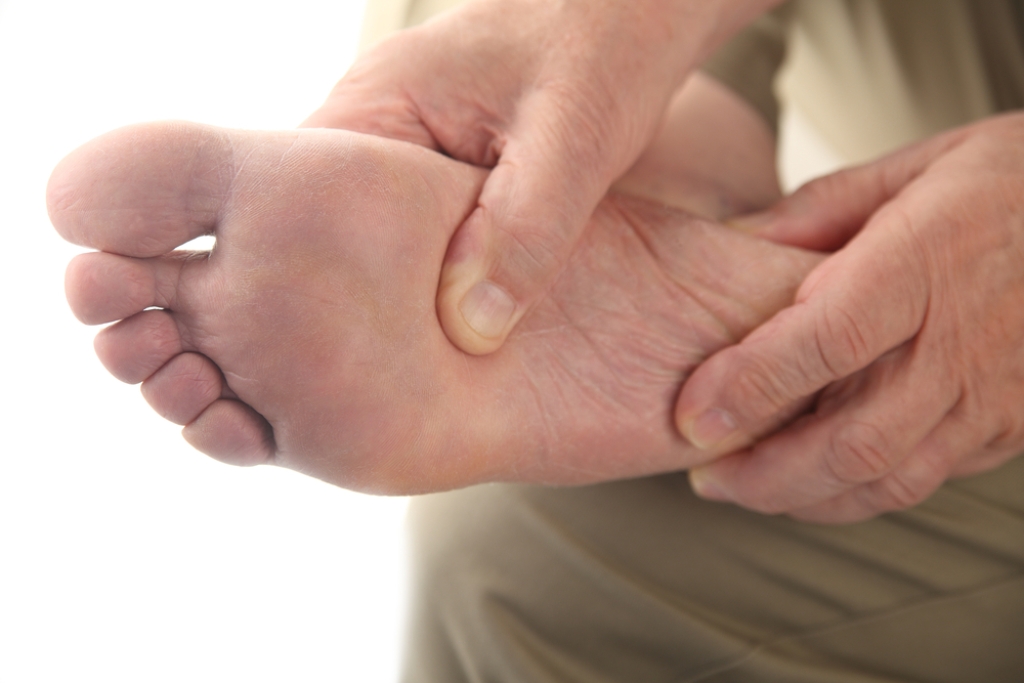
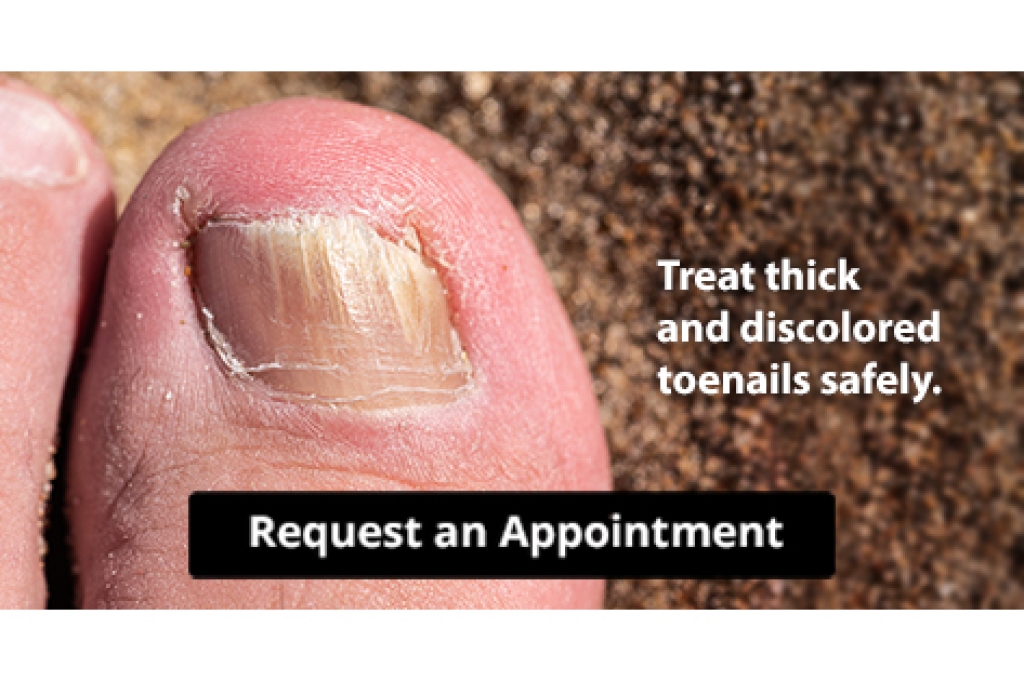
Athlete's foot, a common fungal infection, unveils a set of unmistakable symptoms that can cause considerable discomfort. The most prevalent sign is persistent itching, often concentrated between the toes. This itching is accompanied by redness and a burning sensation, creating an overall sense of irritation. The skin may peel, crack, or exhibit a scaly appearance, particularly on the soles of the feet. Blisters may also develop, adding another layer of discomfort to this fungal predicament. Foul odor emanating from the infected feet is not uncommon, as the fungus thrives in warm, moist environments. Athlete's foot can spread to the toenails, causing them to thicken and become discolored. Recognizing these symptoms is essential for seeking timely intervention. If you have developed athlete’s foot, it is strongly suggested that you contact a podiatrist. This type of doctor can offer you correct treatment solutions, which may include prescribed medicine.

Athlete’s Foot

Athlete’s foot is often an uncomfortable condition to experience. Thankfully, podiatrists specialize in treating athlete’s foot and offer the best treatment options. If you have any questions about athlete’s foot, consult with Pasquale Cancelliere, DPM from Candria Foot and Ankle Specialists. Our doctor will assess your condition and provide you with quality treatment.

What Is Athlete’s Foot?

Tinea pedis, more commonly known as athlete’s foot, is a non-serious and common fungal infection of the foot. Athlete’s foot is contagious and can be contracted by touching someone who has it or infected surfaces. The most common places contaminated by it are public showers, locker rooms, and swimming pools. Once contracted, it grows on feet that are left inside moist, dark, and warm shoes and socks.

Prevention

The most effective ways to prevent athlete’s foot include:

  • Thoroughly washing and drying feet
  • Avoid going barefoot in locker rooms and public showers
  • Using shower shoes in public showers
  • Wearing socks that allow the feet to breathe
  • Changing socks and shoes frequently if you sweat a lot

Symptoms

Athlete’s foot initially occurs as a rash between the toes. However, if left undiagnosed, it can spread to the sides and bottom of the feet, toenails, and if touched by hand, the hands themselves. Symptoms include:

  • Redness
  • Burning
  • Itching
  • Scaly and peeling skin

Diagnosis and Treatment

Diagnosis is quick and easy. Skin samples will be taken and either viewed under a microscope or sent to a lab for testing. Sometimes, a podiatrist can diagnose it based on simply looking at it. Once confirmed, treatment options include oral and topical antifungal medications.

If you have any questions, please feel free to contact our offices located in Londonderry, NH and Salem, NH . We offer the newest diagnostic and treatment technologies for all your foot care needs.
Read more about How to Deal with Athlete's Foot

The Serious Nature of Diabetic Foot Problems

Serious foot infections in diabetic individuals pose significant health risks and often lead to amputations and even death. These infections are a concerning complication of diabetes and require careful attention. They can be caused by various factors, including poor blood sugar control, reduced blood flow, and nerve damage in the feet. In diabetic foot infections, bacteria can enter through minor cuts or sores, leading to cellulitis, abscesses, or even gangrene. Early detection and prompt treatment are crucial to prevent severe complications. Common symptoms include redness, warmth, swelling, and pain in the affected foot. Treatment typically involves antibiotics, wound care, and in some cases, surgical intervention to remove infected tissue and improve blood flow. Diabetic patients must take special precautions to prevent foot infections, such as daily foot inspections, proper hygiene, wearing well-fitting shoes, and maintaining good blood sugar control. If you have diabetes, it is suggested that you schedule regular appointments with a podiatrist to monitor your foot health, and receive timely intervention to prevent serious infections.

Diabetic Limb Salvage

Diabetic limb salvage can be an effective way in preventing the need for limb amputation. If you have a foot ulcer and diabetes, consult with Pasquale Cancelliere, DPM from Candria Foot and Ankle Specialists. Our doctor will assess your condition and provide you with quality foot and ankle treatment.

What Is Diabetic Limb Salvage?

Diabetic limb salvage is the attempt of saving a limb, such as the foot, that has an infected ulcer, from amputation. Podiatrists also try to make sure that there is enough function in the foot after the salvage that it is still usable. Those with diabetes experience poor blood circulation, which prevents proper healing of an ulcer. If the ulcer is left uncheck, it could become infected, which could result in the need for amputation.

Diabetes is the number one cause of non-traumatic amputations in the United States. Amputation has been found to lead to higher mortality rates. This translates into higher healthcare costs, and a reduced quality of life and mobility for amputees. Podiatrists have attempted to increase the prevalence of limb salvage in an attempt to solve these issues.

Diagnosis and Treatment

Limb salvage teams have grown in recent years that utilize a number of different treatments to save the infected limb. This includes podiatrists that specialize in wound care, rehabilitation, orthotics, and surgery. Through a combination of these methods, limb salvage has been found to be an effective treatment for infected limbs, and as an alternative to amputation. Podiatrists will first evaluate the potential for limb salvage and determine if the limb can be saved or must be amputated. 

If you have any questions, please feel free to contact our offices located in Londonderry, NH and Salem, NH . We offer the newest diagnostic and treatment technologies for all your foot care needs.

Read more about Diabetic Limb Salvage

Stop Your Toenail Fungus

Have you noticed discoloration of your toenails? Have they become thickened or brittle? If so, you may be experiencing symptoms of a fungal nail infection. For some, having a fungal nail can be embarrassing. Overcome your embarrassment, and get treated.

Stop Your Toenail Fungus

Have you noticed discoloration of your toenails? Have they become thickened or brittle? If so, you may be experiencing symptoms of a fungal nail infection. For some, having a fungal nail can be embarrassing. Overcome your embarrassment, and get treated.

Exercise Strategies for Preventing Running Injuries

Embarking on a running journey is not only invigorating but also demands a proactive approach to prevent injuries and ensure a sustained passion for the sport. Incorporating targeted exercises into your routine is key to building strength and resilience. Strengthening the muscles surrounding the knees and ankles through exercises such as lunges and calf raises enhances stability, reducing the risk of sprains and strains. Core exercises contribute to overall body balance, promoting a more efficient running gait. Flexibility exercises, such as dynamic stretches, help improve the range of motion and minimize the impact on joints. Regular strength training sessions, focusing on both the upper and lower body, foster muscular endurance that is vital for sustained running performance. Listening to your body, incorporating adequate rest, and gradually increasing mileage are essential components of injury prevention. If you are seeking more information about how running injuries may affect the feet, in addition to learning about effective prevention methods, it is suggested that you schedule an appointment with a podiatrist.

Exercising your feet regularly with the proper foot wear is a great way to prevent injuries. If you have any concerns about your feet, contact Pasquale Cancelliere, DPM of Candria Foot and Ankle Specialists. Our doctor will treat your foot and ankle needs.

How to Prevent Running Injuries

Many common running injuries are caused by overuse and overtraining. When the back of the kneecap starts wearing out and starts causing pain in your knee, this is commonly referred to as runner’s knee. Runner’s knee is a decrease in strength in your quadriceps and can occur if you’re not wearing properly fitted or supporting shoes. To prevent runner’s knee, focusing on hip strengthening is a good idea, as well as strengthening your quads to keep the kneecaps aligned.

What Are Some Causes of Running Injuries? 
- One cause of a common running injury is called iliotibial band syndrome.
- Plantar fasciitis is also another common injury.
- Stress fractures can occur from overtraining, lack of calcium, or even your running style.

Best Ways to Prevent Running Injuries
- Wear footwear that fits properly and suits your running needs.
- Running shoes are the only protective gear that runners have to safeguard them from injury.
- Make a training schedule. Adding strengthening exercises as well as regular stretching can help keep you strong and limber and can lessen the possibility of injuries.
- Stretching keeps muscles limber; this will help you gain better flexibility.

If you have any questions, please feel free to contact our offices located in Londonderry, NH and Salem, NH . We offer the newest diagnostic and treatment technologies for all your foot care needs.

Read more about How to Prevent Running Injuries
scroll to top