Like us on facebook
Follow us on twitter
review us on google

How MLS Laser Therapy Sheds Light on Pain and Inflammation

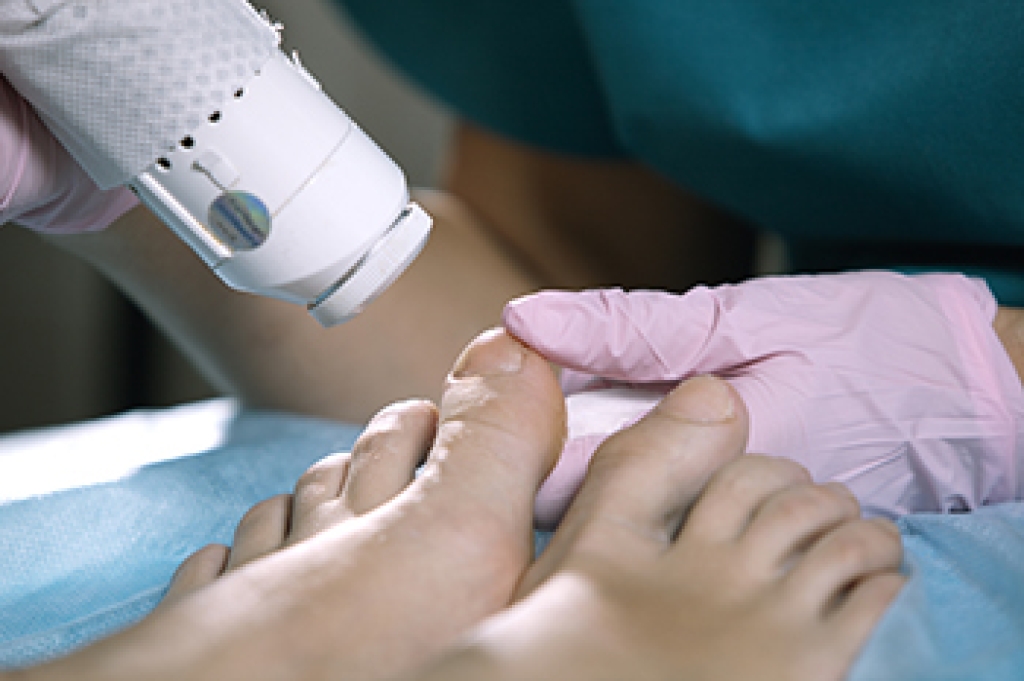
MLS (Multiwave Locked System) Laser Therapy is a non-invasive method of treatment that uses two continuous therapeutic wavelengths of light that penetrate deep into the tissue to stimulate the regeneration of cells, decrease pain and inflammation, and improve circulation to the injured area. While there may be a slight warming sensation at the site of treatment, the combination of these two synchronized wavelengths minimizes the risk of thermal damage. Treatments generally take 10-15 minutes, and the typical course of treatment entails roughly 6 to 12 treatments. Many patients experience long-term positive results from MLS Therapy, as it addresses the cause of pain rather than simply masking symptoms. Podiatrists may use MLS therapy to treat plantar fasciitis, Achilles tendon issues, bursitis, neuromas, arthritis, fractures, injuries, and more. If you have any of these conditions, talk to your podiatrist to see if you are a good candidate for MLS Laser Therapy.

MLS Laser Therapy is a successful alternative for treating any pain you may be experiencing related to certain podiatric conditions.  If you are interested in MLS Laser Therapy, consult with Pasquale Cancelliere, DPM from Candria Foot and Ankle Specialists. Our doctor will assess your condition and provide you with quality foot and ankle treatment.

MLS Laser Therapy

Multiwave Locked System (MLS) Laser Therapy is a patented, FDA-cleared technology that helps relieve pain and inflammation from a number of podiatric conditions, including:

  • Heel Pain
  • Plantar Fasciitis
  • Sports Injuries
  • Wounds
  • Achilles Tendonitis
  • Arthritis
  • Neuropathy
  • Neuromas

MLS Laser Therapy is an ideal alternative to surgery and prescription medication, as it has no negative side effects and encourages accelerated healing. Among its many clinical benefits, MLS Laser Therapy also:

  • Reduces swelling due to bruising or inflammation
  • Blocks pain
  • Reduces formation of scar tissue
  • Improves nerve function

If you have any questions, please feel free to contact our offices located in Londonderry, NH and Salem, NH . We offer the newest diagnostic and treatment technologies for all your foot care needs.
Read more about MLS Laser Therapy

Exploring the Bones and Joints of the Foot

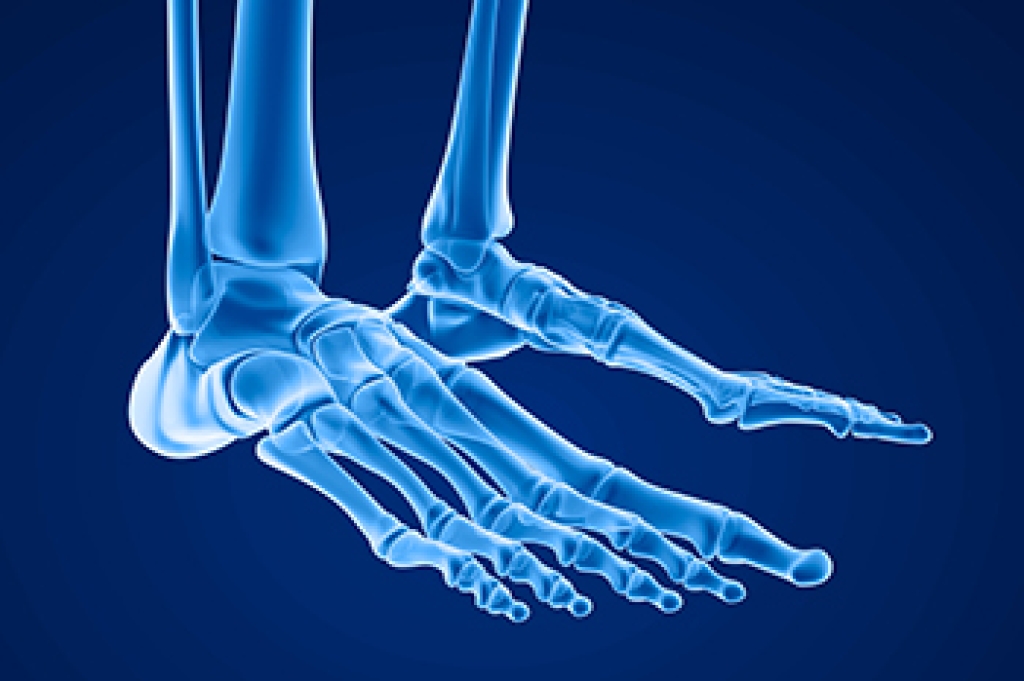
The structure of the foot comprises a fascinating network of bones and joints that enable us to walk, run, and stand. The foot has three major sections: the forefoot, midfoot, and hindfoot. The forefoot contains metatarsal bones forming the ball of the foot, while the midfoot houses various tarsal bones. The tarsal bones are responsible for maintaining arches and facilitating flexibility. The hindfoot houses the heel bone, or calcaneus, and is crucial for absorbing shock during movement. Other joints in the foot, like the ankle joint and the subtalar joint, allow for complex motions that include dorsiflexion and plantarflexion. Understanding this skeletal framework is essential for appreciating the importance of proper foot care and maintaining overall mobility and comfort. If you would like more information about the biomechanics of the feet, it is suggested that you consult with a podiatrist who can provide you with the knowledge you are seeking.

If you have any concerns about your feet, contact Pasquale Cancelliere, DPM from Candria Foot and Ankle Specialists. Our doctor can provide the care you need to keep you pain-free and on your feet.

Biomechanics in Podiatry

Podiatric biomechanics is a particular sector of specialty podiatry with licensed practitioners who are trained to diagnose and treat conditions affecting the foot, ankle and lower leg. Biomechanics deals with the forces that act against the body, causing an interference with the biological structures. It focuses on the movement of the ankle, the foot and the forces that interact with them.

A History of Biomechanics

  • Biomechanics dates back to the BC era in Egypt where evidence of professional foot care has been recorded.
  • In 1974, biomechanics gained a higher profile from the studies of Merton Root, who claimed that by changing or controlling the forces between the ankle and the foot, corrections or conditions could be implemented to gain strength and coordination in the area.

Modern technological improvements are based on past theories and therapeutic processes that provide a better understanding of podiatric concepts for biomechanics. Computers can provide accurate information about the forces and patterns of the feet and lower legs.

Understanding biomechanics of the feet can help improve and eliminate pain, stopping further stress to the foot.

If you have any questions please feel free to contact our offices located in Londonderry, NH and Salem, NH . We offer the newest diagnostic and treatment technologies for all your foot and ankle needs.

Read more about The Importance of Biomechanics in Podiatry

Pain in the Ball of the Foot

Much of the body's weight is supported by the metatarsals, the long bones of the foot. When these bones become inflamed or irritated, it results in a condition known as metatarsalgia, or more commonly, pain in the ball of the foot. This causes varying degrees of discomfort that can disrupt daily activities. Metatarsalgia is often seen in active individuals, as a result of overuse and high-impact activities like running and jumping. Constrictive footwear and high heels that create pressure around the metatarsals can also contribute to ball of foot pain. Being overweight increases the risk of developing metatarsalgia. Symptoms include pain between the toes and the arch, which can intensify during movement and ease when resting. Numbness around the toes, especially the big toe and second toe, is common. Stretching and strengthening foot muscles, as well as the Achilles tendon, are essential for recovery from metatarsalgia. Proper footwear with arch support can aid in cushioning the foot's arch and providing relief. Surgical options might be considered if other pain management remedies prove inadequate. If you are experiencing pain in the ball of the foot on a continual basis, it is suggested that you make an appointment with a podiatrist for a full examination and discussion of treatment options.

Foot Pain

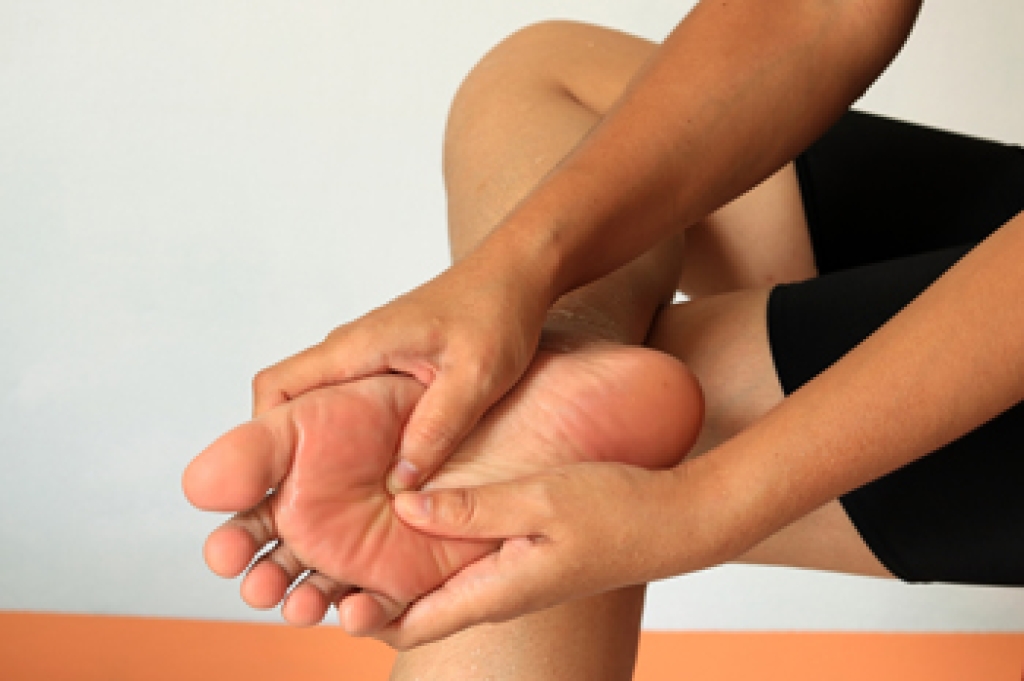
Foot pain can be extremely painful and debilitating. If you have a foot pain, consult with Pasquale Cancelliere, DPM from Candria Foot and Ankle Specialists. Our doctor will assess your condition and provide you with quality foot and ankle treatment.

Causes

Foot pain is a very broad condition that could be caused by one or more ailments. The most common include:

  • Bunions
  • Hammertoes
  • Plantar Fasciitis
  • Bone Spurs
  • Corns
  • Tarsal Tunnel Syndrome
  • Ingrown Toenails
  • Arthritis (such as Gout, Rheumatoid, and Osteoarthritis)
  • Flat Feet
  • Injury (from stress fractures, broken toe, foot, ankle, Achilles tendon ruptures, and sprains)
  • And more

Diagnosis

To figure out the cause of foot pain, podiatrists utilize several different methods. This can range from simple visual inspections and sensation tests to X-rays and MRI scans. Prior medical history, family medical history, and any recent physical traumatic events will all be taken into consideration for a proper diagnosis.

Treatment

Treatment depends upon the cause of the foot pain. Whether it is resting, staying off the foot, or having surgery; podiatrists have a number of treatment options available for foot pain.

If you have any questions, please feel free to contact our offices located in Londonderry, NH and Salem, NH . We offer the newest diagnostic and treatment technologies for all your foot care needs.
Read more about Foot Pain

Risk Factors for Developing Cuboid Syndrome

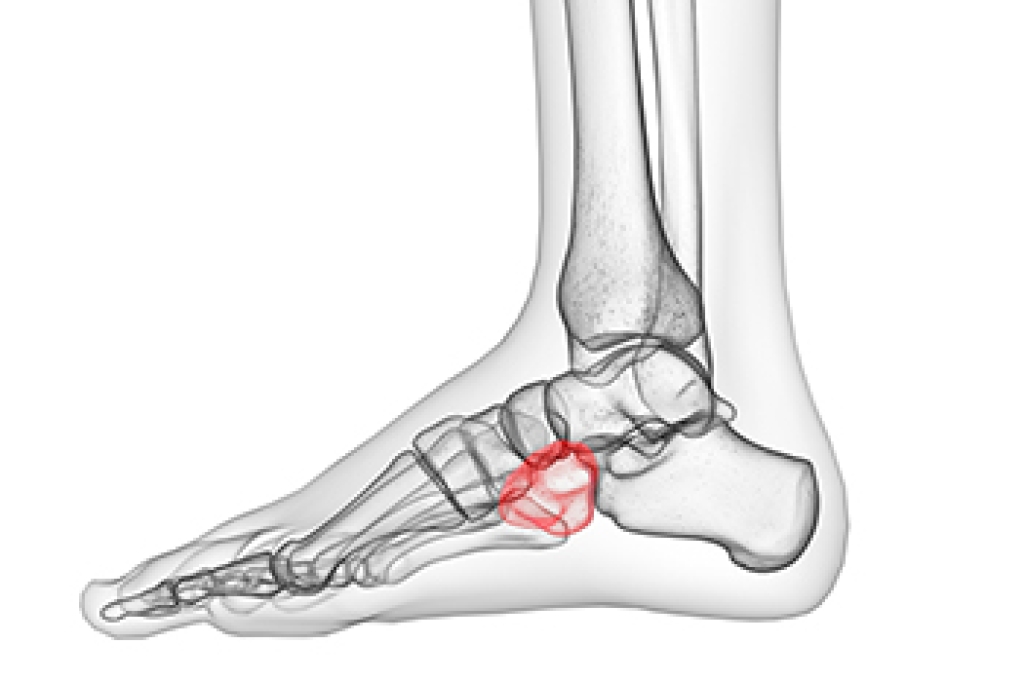
Cuboid syndrome is a painful foot condition that can significantly disrupt mobility and daily activities. It occurs when the cuboid bone becomes displaced. The exact cause of cuboid syndrome is often attributed to sudden or excessive forces applied to the foot during activities such as running, jumping, or rolling the ankle. Athletes and individuals who engage in high-impact sports or activities are at a higher risk for this condition due to the repetitive stress placed on the foot. Additionally, people who have flat feet or those who wear poorly fitting shoes may also be prone to developing cuboid syndrome. Recognizing and addressing these risk factors is crucial in preventing the occurrence of cuboid syndrome and maintaining optimal foot health. Seeking professional care promptly is essential for an accurate diagnosis and appropriate treatment to ensure a swift recovery. If you have pain in the outer part of your foot, it is strongly suggested that you speak with a podiatrist who can diagnose and treat cuboid syndrome.

Cuboid syndrome, also known as cuboid subluxation, occurs when the joints and ligaments near the cuboid bone in the foot become torn. If you have cuboid syndrome, consult with Pasquale Cancelliere, DPM from Candria Foot and Ankle Specialists. Our doctor will assess your condition and provide you with quality foot and ankle treatment.

Cuboid syndrome is a common cause of lateral foot pain, which is pain on the outside of the foot. The condition may happen suddenly due to an ankle sprain, or it may develop slowly overtime from repetitive tension through the bone and surrounding structures.

Causes

The most common causes of cuboid syndrome include:

  • Injury – The most common cause of this ailment is an ankle sprain.
  • Repetitive Strain – Tension placed through the peroneus longus muscle from repetitive activities such as jumping and running may cause excessive traction on the bone causing it to sublux.
  • Altered Foot Biomechanics – Most people suffering from cuboid subluxation have flat feet.

Symptoms

A common symptom of cuboid syndrome is pain along the outside of the foot which can be felt in the ankle and toes. This pain may create walking difficulties and may cause those with the condition to walk with a limp.

Diagnosis

Diagnosis of cuboid syndrome is often difficult, and it is often misdiagnosed. X-rays, MRIs and CT scans often fail to properly show the cuboid subluxation. Although there isn’t a specific test used to diagnose cuboid syndrome, your podiatrist will usually check if pain is felt while pressing firmly on the cuboid bone of your foot.

Treatment

Just as the range of causes varies widely, so do treatments. Some more common treatments are ice therapy, rest, exercise, taping, and orthotics.

If you have any questions, please feel free to contact our offices located in Londonderry, NH and Salem, NH . We offer the newest diagnostic and treatment technologies for all your foot care needs.
Read more about All About Cuboid Syndrome

What Causes Morton’s Neuroma?

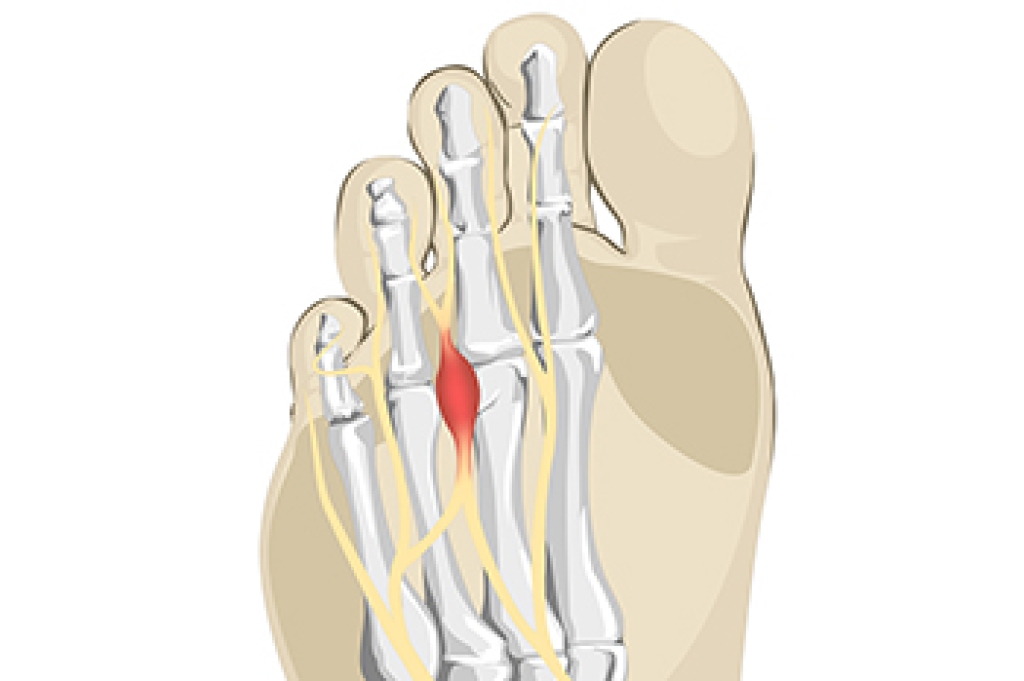
The foot condition that is known as Morton’s neuroma is painful. It is caused by wearing shoes that do not have enough room in the toe area and it affects the nerve between the third and fourth toes. High heels can fall into this category, and women can develop this condition if high heels are worn often and for long periods of time. Patients may feel this affected nerve can be malignant, however, it is considered to be a benign growth. The pain is often felt in the ball of the foot, and it may be difficult to walk. Temporary relief may be found when wider shoes with lower heels are worn. There may be swelling that accompanies this ailment, and it can be helpful to elevate the feet. In severe cases, some patients may choose surgery that can remove the nerve, and normal activities may be resumed. If you have foot pain from for Morton’s neuroma, it is strongly suggested that you contact a podiatrist who can effectively diagnose and offer the correct treatment methods. 

Morton’s neuroma is a very uncomfortable condition to live with. If you think you have Morton’s neuroma, contact Pasquale Cancelliere, DPM of Candria Foot and Ankle Specialists. Our doctor will attend to all of your foot care needs and answer any of your related questions.  

Morton’s Neuroma

Morton's neuroma is a painful foot condition that commonly affects the areas between the second and third or third and fourth toe, although other areas of the foot are also susceptible. Morton’s neuroma is caused by an inflamed nerve in the foot that is being squeezed and aggravated by surrounding bones.

What Increases the Chances of Having Morton’s Neuroma?

  • Ill-fitting high heels or shoes that add pressure to the toe or foot
  • Jogging, running or any sport that involves constant impact to the foot
  • Flat feet, bunions, and any other foot deformities

Morton’s neuroma is a very treatable condition. Orthotics and shoe inserts can often be used to alleviate the pain on the forefront of the feet. In more severe cases, corticosteroids can also be prescribed. In order to figure out the best treatment for your neuroma, it’s recommended to seek the care of a podiatrist who can diagnose your condition and provide different treatment options.

If you have any questions, please feel free to contact our offices located in Londonderry, NH and Salem, NH . We offer the newest diagnostic and treatment technologies for all your foot care needs.

Read more about Morton's Neuroma
scroll to top