Like us on facebook
Follow us on twitter
review us on google

Different Types of Orthotics for Foot Pain

Orthotics are devices placed inside shoes to support and comfort the feet, often used to treat foot pain. Custom orthotics are tailor-made for an individual's foot shape and specific needs, while prefabricated orthotics are mass-produced and designed to fit most feet. Both types of orthotics help alleviate foot pain, improve alignment, and provide support. They are commonly used for conditions like plantar fasciitis, flat feet, high arches, and arthritis. Custom orthotics offer precise correction and cushioning, addressing unique foot structures and biomechanical issues. They can be especially beneficial for severe or specific conditions. Prefabricated orthotics are more affordable and accessible, providing adequate support for mild to moderate foot pain. They can be effective for general use but may not address all individual needs as accurately as custom orthotics. Both types of orthotics are useful, but their effectiveness depends on the specific foot condition and individual requirements. For proper assessment and advice, it is suggested that you visit a podiatrist.

If you are having discomfort in your feet and would like to try orthotics, contact Pasquale Cancelliere, DPM from Candria Foot and Ankle Specialists. Our doctor can provide the care you need to keep you pain-free and on your feet.

What Are Orthotics?

Orthotics are inserts you can place into your shoes to help with a variety of foot problems such as flat feet or foot pain. Orthotics provide relief and comfort for minor foot and heel pain but can’t correct serious biomechanical problems in your feet.

Over-the-Counter Inserts

Orthotics come in a wide variety of over-the-counter inserts that are used to treat foot pain, heel pain, and minor problems. For example, arch supports can be inserted into your shoes to help correct overarched or flat feet, while gel insoles are often used because they provide comfort and relief from foot and heel pain by alleviating pressure.

Prescription Orthotics

If over-the-counter inserts don’t work for you or if you have a more severe foot concern, it is possible to have your podiatrist prescribe custom orthotics. These high-quality inserts are designed to treat problems such as abnormal motion, plantar fasciitis, and severe forms of heel pain. They can even be used to help patients suffering from diabetes by treating foot ulcers and painful calluses and are usually molded to your feet individually, which allows them to provide full support and comfort.

If you are experiencing minor to severe foot or heel pain, it’s recommended to speak with your podiatrist about the possibilities of using orthotics. A podiatrist can determine which type of orthotic is right for you and allow you to take the first steps towards being pain-free.

If you have any questions, please feel free to contact our offices located in Londonderry, NH and Salem, NH . We offer the newest diagnostic and treatment technologies for all your foot care needs.


Read more about Foot Orthotics

Key Factors and Tips About Ankle Injuries While Running

Ankle injuries while running are common and can be caused by several factors. Overtraining often leads to fatigue, increasing the risk of improper form and accidents. Muscle strains can occur from inadequate warm-ups or sudden increases in intensity. Wearing the wrong shoes, especially those lacking proper support, can lead to instability and misalignment. To prevent these injuries, it is essential to incorporate rest days into your training schedule to allow muscles to recover. Ensuring a thorough warm-up before running can prepare muscles and reduce the risk of strains. Investing in high-quality running shoes that provide adequate support and cushioning is essential for maintaining proper form and stability. Listening to your body and avoiding pushing through pain can also help prevent serious injuries. If you have sudden or chronic ankle pain from running, it is suggested that you visit a podiatrist who can effectively treat this condition.

Ankle and foot injuries are common among athletes and in many sports. They can be caused by several problems and may be potentially serious. If you are feeling pain or think you were injured in a sporting event or when exercising, consult with Pasquale Cancelliere, DPM from Candria Foot and Ankle Specialists. Our doctor will assess your condition and provide you with quality foot and ankle treatment.

Common Injuries

The most common injuries that occur in sporting activities include:

  • Achilles Tendonitis
  • Achilles Tendon Rupture
  • Ankle Sprains
  • Broken Foot
  • Plantar Fasciitis
  • Stress Fractures
  • Turf Toe

Symptoms

Symptoms vary depending upon the injury and in some cases, there may be no symptoms at all. However, in most cases, some form of symptom is experienced. Pain, aching, burning, bruising, tenderness, tightness or stiffness, sensation loss, difficulty moving, and swelling are the most common symptoms.

Treatment

Just as symptoms vary depending upon the injury, so do treatment options. A common treatment method is known as the RICE method. This method involves rest, applying ice, compression and elevating the afflicted foot or ankle. If the injury appears to be more serious, surgery might be required, such as arthroscopic or reconstructive surgery. Lastly, rehabilitation or therapy might be needed to gain full functionality in the afflicted area. Any discomfort experienced by an athlete must be evaluated by a licensed, reputable medical professional.  

If you have any questions please contact our offices located in Londonderry, NH and Salem, NH . We offer the newest diagnostic and treatment technologies for all your foot and ankle needs.

Read more about Sports Related Foot and Ankle Injuries

Let the Expert Treat Your Ingrown Toenails

Ingrown toenails can be painful and can make wearing shoes or walking uncomfortable. Seek professional help if you believe you've developed an ingrown toenail and be treated safely. 

Taking Care of Feet While Traveling

Traveling often leads to tired and achy feet due to prolonged periods of walking, standing, or sitting. These activities can cause swelling, discomfort, and fatigue in the feet, especially when confined to tight spaces like airplane cabins or car seats. The lack of movement restricts blood flow, causing fluid to pool in the lower extremities. This can result in a sensation of heaviness, throbbing, or even pain. To soothe tired and achy feet while traveling, take regular breaks to stretch and walk around, promoting better circulation. Elevate your feet when possible to reduce swelling. Wearing comfortable, supportive shoes and compression socks can also alleviate discomfort. Gentle foot massages can help reduce inflammation and provide relief. Additionally, staying hydrated and avoiding excessive salt intake can also prevent fluid retention. If foot pain persists or becomes severe, it is suggested that you visit a podiatrist for a thorough evaluation and personalized advice. 

Foot Pain

Foot pain can be extremely painful and debilitating. If you have a foot pain, consult with Pasquale Cancelliere, DPM from Candria Foot and Ankle Specialists. Our doctor will assess your condition and provide you with quality foot and ankle treatment.

Causes

Foot pain is a very broad condition that could be caused by one or more ailments. The most common include:

  • Bunions
  • Hammertoes
  • Plantar Fasciitis
  • Bone Spurs
  • Corns
  • Tarsal Tunnel Syndrome
  • Ingrown Toenails
  • Arthritis (such as Gout, Rheumatoid, and Osteoarthritis)
  • Flat Feet
  • Injury (from stress fractures, broken toe, foot, ankle, Achilles tendon ruptures, and sprains)
  • And more

Diagnosis

To figure out the cause of foot pain, podiatrists utilize several different methods. This can range from simple visual inspections and sensation tests to X-rays and MRI scans. Prior medical history, family medical history, and any recent physical traumatic events will all be taken into consideration for a proper diagnosis.

Treatment

Treatment depends upon the cause of the foot pain. Whether it is resting, staying off the foot, or having surgery; podiatrists have a number of treatment options available for foot pain.

If you have any questions, please feel free to contact our offices located in Londonderry, NH and Salem, NH . We offer the newest diagnostic and treatment technologies for all your foot care needs.

Read more about Foot Pain

Idiopathic Toe Walking in Children

Idiopathic toe walking is a phenomenon where children habitually walk on their toes without any underlying medical condition or known cause. While toe walking is common in toddlers who are learning to walk, persistent toe walking beyond the age of three without any identifiable cause can be a cause for concern. Children with idiopathic toe walking typically walk on their toes with their heels off the ground during most or all of their walking activities. This behavior can affect their balance, coordination, and overall motor development. While the exact cause of idiopathic toe walking remains unclear, it is believed to involve a combination of factors including tightness in the calf muscles, sensory processing issues, or developmental delays. Early intervention is vital in addressing idiopathic toe walking and preventing potential complications such as muscle stiffness or contractions. Treatment may involve specific stretches that can strengthen the calf muscles, orthotic devices to encourage heel contact, and monitoring to track developmental progress and address any underlying issues. If your child has this condition, it is strongly suggested that you seek the advice of a podiatrist who can guide you toward appropriate treatment measures.

Making sure that your children maintain good foot health is very important as they grow. If you have any questions, contact Pasquale Cancelliere, DPM of Candria Foot and Ankle Specialists. Our doctor can provide the care you need to keep you pain-free and on your feet.

Keeping Children's Feet Healthy

Having healthy feet during childhood can help prevent medical problems later in life, namely in the back and legs. As children grow, their feet require different types of care. Here are some things to consider...

Although babies do not walk yet, it is still very important to take care of their feet.

Avoid putting tight shoes or socks on his or her feet.

Allow the baby to stretch and kick his or her feet to feel comfortable.

As a toddler, kids are now on the move and begin to develop differently. At this age, toddlers are getting a feel for walking, so don’t be alarmed if your toddler is unsteady or ‘walks funny’. 

As your child gets older, it is important to teach them how to take care of their feet.

Show them proper hygiene to prevent infections such as fungus.

Be watchful for any pain or injury.

Have all injuries checked by a doctor as soon as possible.

Comfortable, protective shoes should always be worn, especially at play.

If you have any questions, please feel free to contact our offices located in Londonderry, NH and Salem, NH . We offer the newest diagnostic and treatment technologies for all your foot care needs.
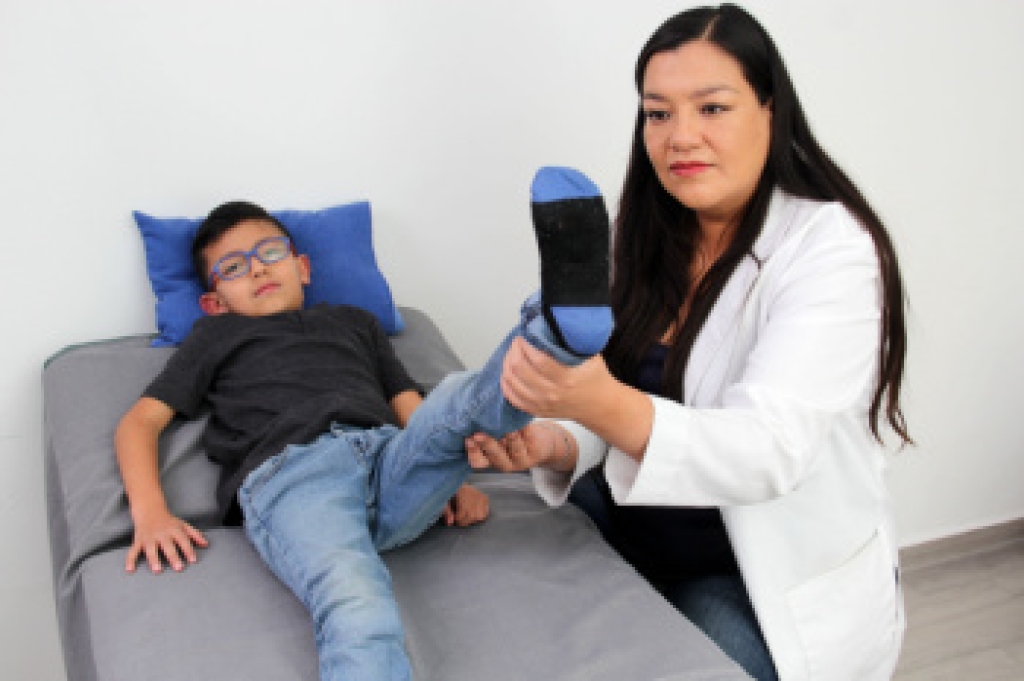
Read more about What to Do to Keep Your Child’s Feet Healthy

Symptoms and Risk Factors of Gout

Gout is a type of arthritis notorious for its sudden and excruciating pain. Gout typically targets one joint at a time, and commonly strikes in the big toe joint. Flares, which are periods of intense symptoms, alternate with remission phases. The primary culprit behind gout is an excess of uric acid in the body, which forms crystals that accumulate in joints, fluids, and tissues, sparking inflammation. While gout has no cure, it can be effectively managed with medication and certain lifestyle adjustments. Diagnosis by a podiatrist usually occurs during a flare up, involving symptom assessment, physical examination, and lab tests to detect uric acid crystals. Seeking diagnosis and treatment from a podiatrist is important due to gout’s nonspecific symptoms that resemble other inflammatory disorders. Treatment typically involves pain management during flare ups with nonsteroidal anti-inflammatory drugs, NSAIDs, or colchicine. Other preventive measures can include dietary changes to eliminate foods rich in purines and weight management to reduce future attacks and complications. If you are experiencing symptoms like sudden joint pain or swelling, especially in the big toe, it is suggested that you schedule an appointment with a podiatrist.

Gout is a foot condition that requires certain treatment and care. If you are seeking treatment, contact Pasquale Cancelliere, DPM from Candria Foot and Ankle Specialists. Our doctor will treat your foot and ankle needs.

What Is Gout?

Gout is a type of arthritis caused by a buildup of uric acid in the bloodstream. It often develops in the foot, especially the big toe area, although it can manifest in other parts of the body as well. Gout can make walking and standing very painful and is especially common in diabetics and the obese.

People typically get gout because of a poor diet. Genetic predisposition is also a factor. The children of parents who have had gout frequently have a chance of developing it themselves.

Gout can easily be identified by redness and inflammation of the big toe and the surrounding areas of the foot. Other symptoms include extreme fatigue, joint pain, and running high fevers. Sometimes corticosteroid drugs can be prescribed to treat gout, but the best way to combat this disease is to get more exercise and eat a better diet.

If you have any questions, please feel free to contact our offices located in Londonderry, NH and Salem, NH . We offer the newest diagnostic and treatment technologies for all your foot care needs.
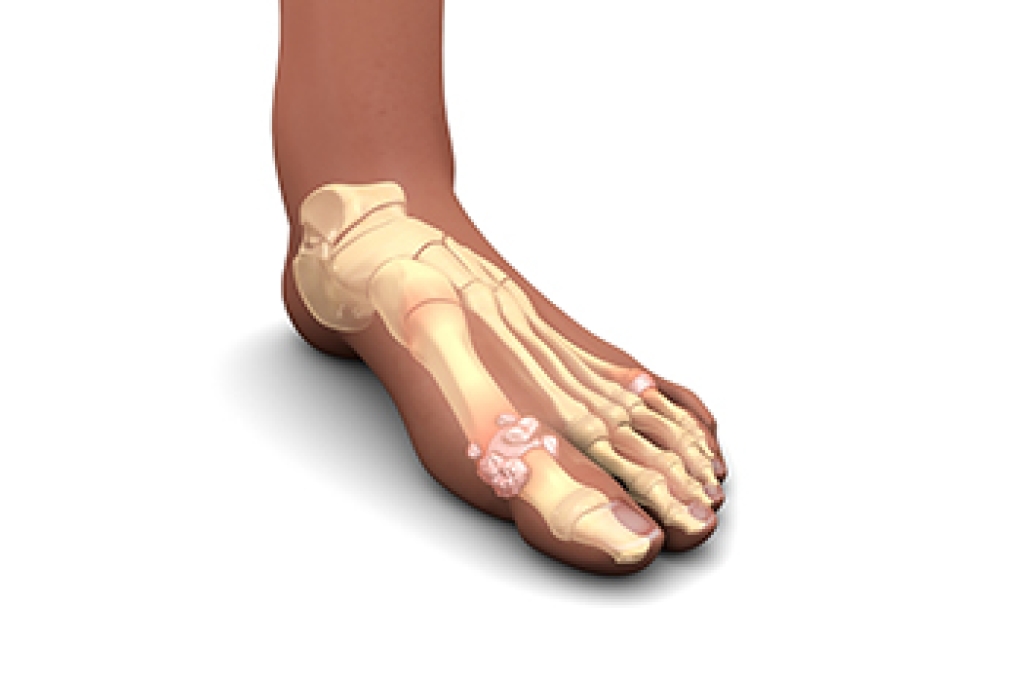
Read more about Everything You Need to Know About Gout

Surgical Interventions for Severe Ankle Sprains

Severe ankle sprains that do not respond well to conservative treatment methods, such as rest and elevation, may require surgical intervention to restore stability and function to the ankle. A podiatrist, or foot doctor, might suggest surgical procedures like arthroscopy, where a small camera and instruments are inserted through tiny incisions to visualize, diagnose, and repair damage to the ligaments inside the ankle. Severe tearing of the ligaments may require reconstructive surgery, which involves replacing the damaged ligament with a tendon graft taken from another part of the body or using synthetic materials to stabilize the ankle. These surgical options aim to alleviate pain, restore stability, and prevent chronic issues such as ankle instability or recurrent sprains. Post-surgery, a rehabilitation program with targeted exercises to strengthen the muscles around the ankle is important. This helps patients who have undergone ankle surgery regain full mobility and recover successfully. If you have a sprained ankle, it is suggested that you make an appointment with a podiatrist promptly for proper care. 

Foot surgery is sometimes necessary to treat a foot ailment. To learn more, contact Pasquale Cancelliere, DPM of Candria Foot and Ankle Specialists. Our doctor will assist you with all of your foot and ankle needs.

When Is Surgery Necessary?

Foot and ankle surgery is generally reserved for cases in which less invasive, conservative procedures have failed to alleviate the problem. Some of the cases in which surgery may be necessary include:

  • Removing foot deformities like bunions and bone spurs
  • Severe arthritis that has caused bone issues
  • Cosmetic reconstruction

What Types of Surgery Are There?

The type of surgery you receive will depend on the nature of the problem you have. Some of the possible surgeries include:

  • Bunionectomy for painful bunions
  • Surgical fusion for realignment of bones
  • Neuropathy decompression surgery to treat nerve damage

Benefits of Surgery

Although surgery is usually a last resort, it can provide more complete pain relief compared to non-surgical methods and may allow you to finally resume full activity.

Surgical techniques have also become increasingly sophisticated. Techniques like endoscopic surgery allow for smaller incisions and faster recovery times.

If you have any questions, please feel free to contact our offices located in Londonderry, NH and Salem, NH . We offer the newest diagnostic and treatment technologies for all your foot care needs.

Read more about Foot Surgery

The Perils of Working on Your Feet

Working on your feet for extended periods can pose significant health risks. While physical activity is generally beneficial, excessive standing or walking can lead to various health issues. Surprisingly, approximately 75 percent of the global population works on their feet, especially in industries like retail, hospitality, healthcare, and manufacturing. Prolonged standing can cause fatigue, joint pain, and musculoskeletal disorders, contributing to conditions like plantar fasciitis and Achilles tendonitis. Additionally, it increases the risk of developing foot problems, such as bunions, corns, and calluses. To mitigate these risks, it is important to prioritize foot health. Wearing supportive footwear, taking regular breaks to elevate and stretch the feet, and using cushioned mats can help alleviate discomfort. Furthermore, engaging in foot exercises and maintaining a healthy weight can reduce strain on the feet. If you spend most of your workday on your feet and have persistent foot pain or complications, it is suggested that you seek guidance from a podiatrist. This foot doctor can provide personalized recommendations and treatments to alleviate discomfort and prevent long-term damage.

While working on the feet, it is important to take the proper care of them. For more information about working on your feet, contact Pasquale Cancelliere, DPM from Candria Foot and Ankle Specialists. Our doctor will treat your foot and ankle needs.

Working on Your Feet

Standing on your feet for long periods of time can cause stress and pain in your feet. Your whole body may experience change in terms of posture, back pain, bunions, callouses and or plantar warts. There are ways to avoid these conditions with proper foot care, smart choices and correct posture.

Positive Changes

Negative heeled shoe – Choosing this shoe type places the heel slightly lower than the ball of the foot. These are great for overall foot health. Find shoes that fit you correctly.

Go barefoot – Our feet were not designed to be enclosed for all hours of the day. Try to periodically expose your feet to air.

Eliminate Pain

Foot Exercises – Performing simple exercises, incorporating yoga and doing stretches are beneficial. This will allow increased blood flow to the area and muscles of the foot.

Achilles tendon – Stretching the foot out flat on the floor will relax the calf muscles and tendon. These exercises can be performed almost anywhere. Make sure you add these exercises to your daily regimen. 

With a little bit of this information and knowing more about foot health, you will notice changes. Foot stretches and proper footwear will help with pain and prevent further issues.

If you have any questions please contact our offices located in Londonderry, NH and Salem, NH . We offer the newest diagnostic and treatment technologies for all your foot and ankle needs.

Read more about Working on Your Feet

Get Professional Care for a Broken Foot or Ankle

Constant care and regular evaluation are important for a foot or ankle fracture. If left untreated, foot or ankle fractures can worsen over time and create more serious problems.

Don't wait to be examined if you believe you've experienced a foot or ankle fracture.

Ankle and Foot Injuries in Baseball

Baseball demands agility, speed, and precise footwork, placing significant strain on the lower extremities, particularly the ankles and feet. Ankle sprains, one of the most prevalent injuries, occur when the ligaments supporting the ankle are overstretched or torn due to sudden twists or impacts. Additionally, conditions like Achilles tendonitis and plantar fasciitis can arise from repetitive stress or inadequate foot support, causing pain and discomfort. To prevent these injuries, players should prioritize proper warm-up exercises to prepare muscles and joints for the demands of the game. Wearing well-fitted, supportive footwear designed for baseball can enhance stability and reduce the risk of injury. Maintaining good conditioning and flexibility through regular strength and flexibility training can improve overall resilience. Emphasizing proper technique, such as avoiding over-striding or landing awkwardly, can also help minimize the risk of ankle and foot injuries. If you have injured your foot or ankle while playing baseball, it is suggested that you visit a podiatrist for an accurate diagnosis and relief tips.

Sports related foot and ankle injuries require proper treatment before players can go back to their regular routines. For more information, contact Pasquale Cancelliere, DPM of Candria Foot and Ankle Specialists. Our doctor can provide the care you need to keep you pain-free and on your feet.

Sports Related Foot and Ankle Injuries

Foot and ankle injuries are a common occurrence when it comes to athletes of any sport. While many athletes dismiss the initial aches and pains, the truth is that ignoring potential foot and ankle injuries can lead to serious problems. As athletes continue to place pressure and strain the area further, a mild injury can turn into something as serious as a rupture and may lead to a permanent disability. There are many factors that contribute to sports related foot and ankle injuries, which include failure to warm up properly, not providing support or wearing bad footwear. Common injuries and conditions athletes face, including:

  • Plantar Fasciitis
  • Achilles Tendinitis
  • Achilles Tendon Rupture
  • Ankle Sprains

Sports related injuries are commonly treated using the RICE method. This includes rest, applying ice to the injured area, compression and elevating the ankle. More serious sprains and injuries may require surgery, which could include arthroscopic and reconstructive surgery. Rehabilitation and therapy may also be required in order to get any recovering athlete to become fully functional again. Any unusual aches and pains an athlete sustains must be evaluated by a licensed, reputable medical professional.

If you have any questions please contact our offices located in Londonderry, NH and Salem, NH . We offer the newest diagnostic and treatment technologies for all your foot and ankle needs.

Read more about Sports Related Foot And Ankle Injuries
scroll to top