
Custom orthotics, or shoe inserts, should be periodically replaced. Orthotics must fit properly to give you the best results. Protect your feet and ankles!


Custom orthotics, or shoe inserts, should be periodically replaced. Orthotics must fit properly to give you the best results. Protect your feet and ankles!

Walking poles can help protect the feet by lowering the pressure placed on them during long or uneven walks. As the poles shift some of the body weight away from the feet, the impact on the heels, arches, and toes is reduced. This can ease foot fatigue and help prevent injuries linked to overuse or poor shock absorption. On steep or unstable ground, walking poles improve balance, which lowers the chance of twisting an ankle or placing extra stress on the forefoot. People with weak ankles or joint stiffness may notice less discomfort when walking with poles, as the added support can improve foot alignment and motion. A podiatrist can assess whether walking poles are appropriate based on existing foot conditions and recommend ways to improve support and gait. If you have foot pain while walking, it is suggested that you schedule an appointment with a podiatrist for relief and expert guidance.
Exercising your feet regularly with the proper foot wear is a great way to prevent injuries and build strength. If you have any concerns about your feet, contact Pasquale Cancelliere, DPM from Candria Foot and Ankle Specialists. Our doctor can provide the care you need to keep you pain-free and on your feet.
Exercise for Your Feet
Exercise for your feet can help you gain strength, mobility and flexibility in your feet. They say that strengthening your feet can be just as rewarding as strengthening another part of the body. Your feet are very important, and we often forget about them in our daily tasks. But it is because of our feet that are we able to get going and do what we need to. For those of us fortunate enough to not have any foot problems, it is an important gesture to take care of them to ensure good health in the long run.
Some foot health exercises can include ankle pumps, tip-toeing, toe rises, lifting off the floor doing reps and sets, and flexing the toes. It is best to speak with Our doctor to determine an appropriate regimen for your needs. Everyone’s needs and bodies are different, and the activities required to maintain strength in the feet vary from individual to individual.
Once you get into a routine of doing regular exercise, you may notice a difference in your feet and how strong they may become.
If you have any questions, please feel free to contact our offices located in Londonderry, NH and Salem, NH . We offer the newest diagnostic and treatment technologies for all your foot care needs.
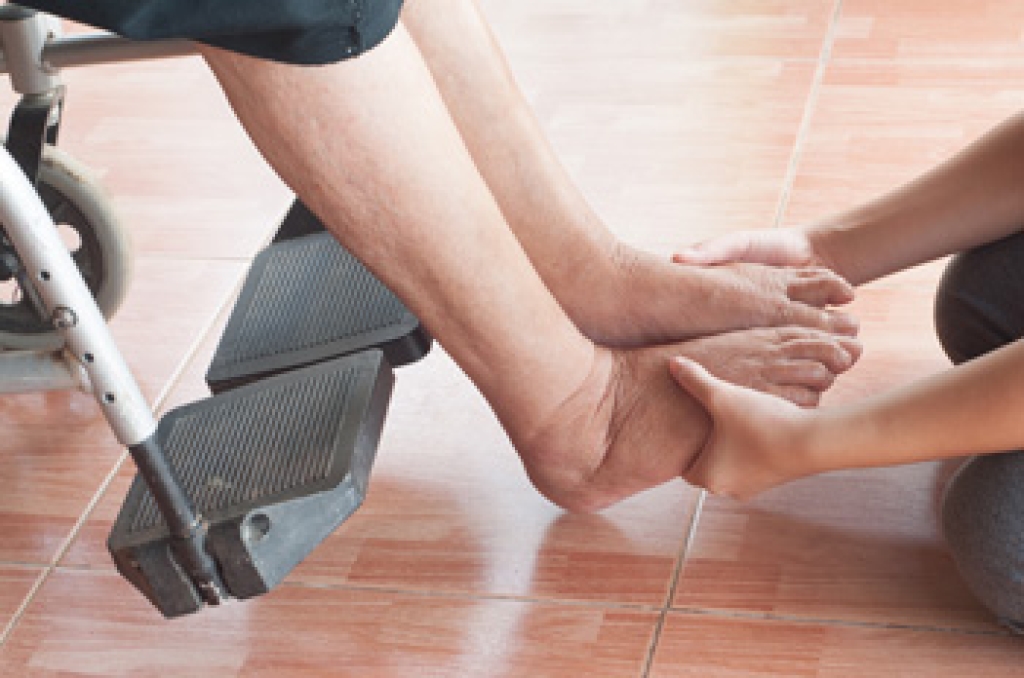
Caring for feet becomes even more important with age. Seniors often experience thinning skin, reduced circulation, and changes in foot shape that make them more vulnerable to discomfort, injury, and infection. Even simple tasks like trimming toenails or checking for calluses can become more difficult. Regular foot care helps prevent complications such as fungal infections, ulcers, and falls caused by poor balance. Wearing supportive footwear and clean, dry socks can also make a big difference in maintaining foot health. Daily checks for changes in skin color, swelling, or pain are especially important for seniors with diabetes or circulatory issues. If walking becomes uncomfortable, if nails appear thickened or discolored, or if wounds take longer to heal, it is suggested that you schedule an appointment with a podiatrist for appropriate treatment.
If you need your feet checked, contact Pasquale Cancelliere, DPM of Candria Foot and Ankle Specialists. Our doctor will attend to all of your foot and ankle needs and provide you with quality treatment.
Geriatrics and Podiatry
When people age, some common issues that may occur are bone density loss, dry skin, poor circulation, and rough brittle nails. These issues may also affect your foot health if the necessary steps are not taken to alleviate the problems.
It is important to take care of your feet because feet that are injured or diseased can affect your overall health. Having painful feet hinders your ability to do daily activities or may decrease your willingness to do the things that you need to do.
Visiting Your Geriatrician
As we age, health problems become more likely, so it is essential to visit your doctor for check-ups to ensure that you are doing the best you can to take care of your health. It is recommended to check your feet frequently for any possible cuts, bruises, swelling, corns or any other irregularities.
Taking Care of Elderly Feet
Cracked or dry feet can be treated by applying moisturizer often. It is also important not to wear old socks because the older the sock is, the higher the possibility there will be that there is bacteria there. Wear fresh socks and make sure they fit properly.
Proper foot health means that you can have a more active lifestyle and you will not be bogged down by pain. Foot health also leads to good circulation, which is paramount for overall health.
If you have any questions, please feel free to contact our offices located in Londonderry, NH and Salem, NH . We offer the newest diagnostic and treatment technologies for all your foot care needs.

Pregnancy can bring significant changes to the feet and ankles due to hormonal shifts and increased body weight. Many women notice an increase in shoe size as the ligaments relax and the arch flattens. Swelling and fluid retention are also common, especially in the ankles. Some women may experience redness and itching of the soles, often caused by elevated estrogen levels. These symptoms can lead to discomfort and difficulty walking. A podiatrist can provide supportive care through custom orthotics, guidance on proper footwear, and treatments to relieve irritation and swelling. If you are experiencing foot or ankle issues during pregnancy, it is suggested that you consult a podiatrist who can treat various foot conditions returning comfort, mobility, and support throughout this important stage.
Pregnant women with swollen feet can be treated with a variety of different methods that are readily available. For more information about other cures for swollen feet during pregnancy, consult with Pasquale Cancelliere, DPM from Candria Foot and Ankle Specialists. Our doctor will attend to all of your foot and ankle needs.
What Foot Problems Can Arise During Pregnancy?
One problem that can occur is overpronation, which occurs when the arch of the foot flattens and tends to roll inward. This can cause pain and discomfort in your heels while you’re walking or even just standing up, trying to support your baby.
Another problem is edema, or swelling in the extremities. This often affects the feet during pregnancy but tends to occur in the later stages.
How Can I Keep My Feet Healthy During Pregnancy?
If you have any questions, please feel free to contact our offices located in Londonderry, NH and Salem, NH . We offer the newest diagnostic and treatment technologies for all your foot care needs.

Ankle pain refers to discomfort or inflammation surrounding the ankle joint and can result from injury, overuse, or underlying conditions such as arthritis or tendonitis. Common causes include sprains, fractures, or wearing improper footwear. Symptoms may involve swelling, stiffness, bruising, and difficulty walking. Diagnosis is made through physical examination and imaging such as X-rays or MRI scans. Risk factors include high-impact sports, walking or running on uneven surfaces, obesity, and previous ankle injuries. A podiatrist can assess the condition, recommend appropriate treatment, and provide preventive strategies. With expert care, patients can regain mobility and prevent further injury. If you are experiencing ankle pain, it is suggested that you seek a podiatrist’s evaluation to restore comfort and maintain your desired lifestyle.
Ankle pain can have many different causes and the pain may potentially be serious. If you have ankle pain, consult with Pasquale Cancelliere, DPM from Candria Foot and Ankle Specialists. Our doctor will assess your condition and provide you with quality foot and ankle treatment.
Ankle pain is any condition that causes pain in the ankle. Due to the fact that the ankle consists of tendons, muscles, bones, and ligaments, ankle pain can come from a number of different conditions.
Causes
The most common causes of ankle pain include:
Symptoms
Symptoms of ankle injury vary based upon the condition. Pain may include general pain and discomfort, swelling, aching, redness, bruising, burning or stabbing sensations, and/or loss of sensation.
Diagnosis
Due to the wide variety of potential causes of ankle pain, podiatrists will utilize a number of different methods to properly diagnose ankle pain. This can include asking for personal and family medical histories and of any recent injuries. Further diagnosis may include sensation tests, a physical examination, and potentially x-rays or other imaging tests.
Treatment
Just as the range of causes varies widely, so do treatments. Some more common treatments are rest, ice packs, keeping pressure off the foot, orthotics and braces, medication for inflammation and pain, and surgery.
If you have any questions please feel free to contact our offices located in Londonderry, NH and Salem, NH . We offer the newest diagnostic tools and technology to treat your foot and ankle needs.
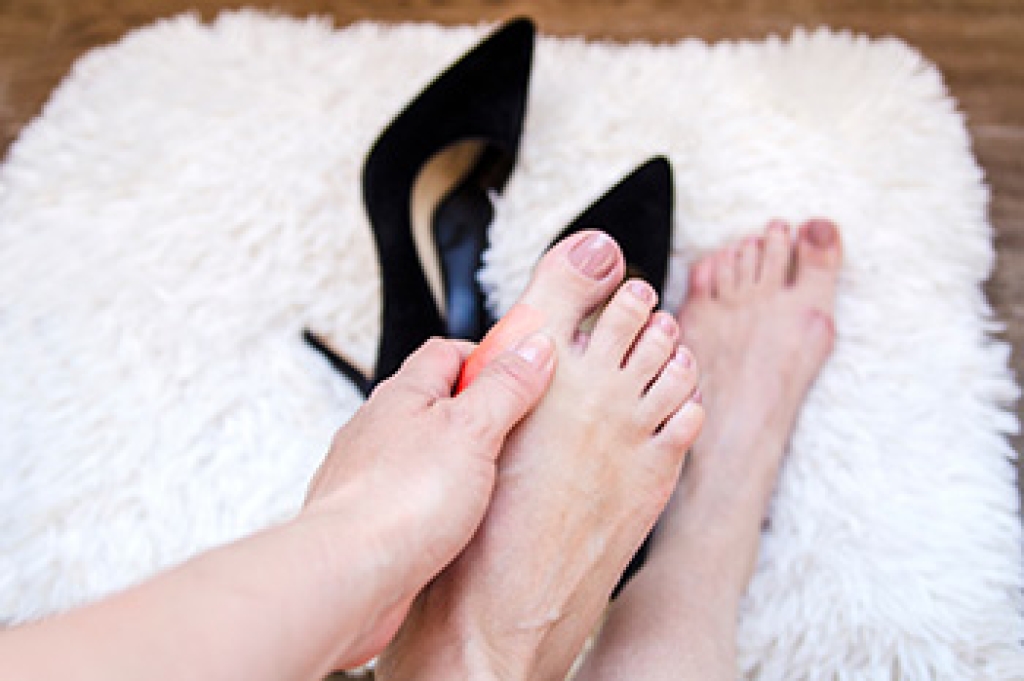
Bunions, also known as hallux valgus, are more prevalent in women, especially as they age. This deformity develops when the big toe angles inward toward the smaller ones, causing a prominent bump on the side of the foot. As the deformity worsens, it can alter the alignment of the smaller toes and affect normal foot function. This often leads to additional complications, such as corns, calluses, hammer toes, and discomfort when walking. Factors that contribute to bunions include wearing narrow or pointy high-heeled shoes, a family history of bunions, or having flat feet. Recent findings show that the severity of bunions can significantly reduce both foot-specific and overall quality of life. A podiatrist can evaluate the extent of the bunion deformity and recommend appropriate treatment, which may include orthotic support, footwear modifications, or surgery. If you have a painful bunion, it is suggested that you schedule an appointment with a podiatrist for appropriate treatment.
If you are suffering from bunions, contact Pasquale Cancelliere, DPM of Candria Foot and Ankle Specialists. Our doctor can provide the care you need to keep you pain-free and on your feet.
What Is a Bunion?
A bunion is formed of swollen tissue or an enlargement of boney growth, usually located at the base joint of the toe that connects to the foot. The swelling occurs due to the bones in the big toe shifting inward, which impacts the other toes of the foot. This causes the area around the base of the big toe to become inflamed and painful.
Why Do Bunions Form?
Genetics – Susceptibility to bunions are often hereditary
Stress on the feet – Poorly fitted and uncomfortable footwear that places stress on feet, such as heels, can worsen existing bunions
How Are Bunions Diagnosed?
Doctors often perform two tests – blood tests and x-rays – when trying to diagnose bunions, especially in the early stages of development. Blood tests help determine if the foot pain is being caused by something else, such as arthritis, while x-rays provide a clear picture of your bone structure to your doctor.
How Are Bunions Treated?
If you have any questions, please feel free to contact our offices located in Londonderry, NH and Salem, NH . We offer the newest diagnostic and treatment technologies for all your foot care needs.

If left untreated, an ingrown toenail can lead to more serious concerns, such as an infection. Knowing proper nail care can help in the prevention of an ingrown toenail. Give us a call, and get treated!

A foot fracture is a break in one or more of the 26 bones in the foot, which can result from trauma, overuse, or repetitive stress. Common causes include falls, sports injuries, or dropping heavy objects on the foot. Symptoms include pain, swelling, bruising, and difficulty walking. Treatment options range from rest and immobilization with a cast or boot to surgical intervention, in more severe cases. A podiatrist can evaluate the injury through physical examination and imaging, then develop a personalized treatment plan to promote healing and restore mobility. If you suspect a fracture or are experiencing ongoing foot pain, it is suggested that you promptly contact a podiatrist to ensure a proper diagnosis and professional care for a safe and effective recovery.
A broken foot requires immediate medical attention and treatment. If you need your feet checked, contact Pasquale Cancelliere, DPM from Candria Foot and Ankle Specialists. Our doctor can provide the care you need to keep you pain-free and on your feet.
Broken Foot Causes, Symptoms, and Treatment
A broken foot is caused by one of the bones in the foot typically breaking when bended, crushed, or stretched beyond its natural capabilities. Usually the location of the fracture indicates how the break occurred, whether it was through an object, fall, or any other type of injury.
Common Symptoms of Broken Feet:
Those that suspect they have a broken foot shoot seek urgent medical attention where a medical professional could diagnose the severity.
Treatment for broken bones varies depending on the cause, severity and location. Some will require the use of splints, casts or crutches while others could even involve surgery to repair the broken bones. Personal care includes the use of ice and keeping the foot stabilized and elevated.
If you have any questions, please feel free to contact our offices located in Londonderry, NH and Salem, NH . We offer the newest diagnostic and treatment technologies for all your foot care needs.

Falling at home can lead to serious foot injuries such as sprains, fractures, or even long-term joint damage. The feet often take the brunt of a fall, especially when tripping over objects or slipping on wet surfaces. To reduce this risk, eliminate loose rugs, install handrails in stairways and bathrooms, and keep extension cords and clutter out of walkways. Place non-slip mats in bathrooms and use night lights to improve visibility at night. A podiatrist can help by treating injuries, assessing balance and gait, and recommending supportive footwear or orthotics to improve stability. If you have sustained a foot or ankle injury from falling, it is suggested that you contact a podiatrist who can treat various foot conditions.
Preventing falls among the elderly is very important. If you are older and have fallen or fear that you are prone to falling, consult with Pasquale Cancelliere, DPM from Candria Foot and Ankle Specialists. Our doctor will assess your condition and provide you with quality advice and care.
Every 11 seconds, an elderly American is being treated in an emergency room for a fall related injury. Falls are the leading cause of head and hip injuries for those 65 and older. Due to decreases in strength, balance, senses, and lack of awareness, elderly persons are very susceptible to falling. Thankfully, there are a number of things older persons can do to prevent falls.
How to Prevent Falls
Some effective methods that older persons can do to prevent falls include:
Falling can be a traumatic and embarrassing experience for elderly persons; this can make them less willing to leave the house, and less willing to talk to someone about their fears of falling. Doing such things, however, will increase the likelihood of tripping or losing one’s balance. Knowing the causes of falling and how to prevent them is the best way to mitigate the risk of serious injury.
If you have any questions, please feel free to contact our offices located in Londonderry, NH and Salem, NH . We offer the newest diagnostic and treatment technologies for all your foot care needs.

The shoes we wear influence how we walk, balance, and move through daily life. In early years, flexible shoes that allow natural movement can help support developing feet. As we age, footwear with proper arch support, cushioning, and stability becomes more important. Poor shoe choices can contribute to joint strain, foot deformities, or falls, especially in older adults. Over time, unsupportive or ill-fitting shoes may alter gait patterns and affect posture, leading to discomfort in the knees, hips, or back. Choosing the right footwear can help preserve comfort and movement ability from childhood into later years. It is not only about style or fit, it is about supporting long-term mobility. If you are experiencing discomfort or noticing changes in how you walk, it is suggested that you schedule an appointment with a podiatrist for a diagnosis and appropriate treatment.
Getting the right shoe size is an important part of proper foot health. Seek the assistance of Pasquale Cancelliere, DPM from Candria Foot and Ankle Specialists. Our doctor will provide the care you need to keep you pain-free and on your feet.
Getting the Right Shoe Size
There are many people who wear shoes that are the incorrect size, negatively affecting their feet and posture. Selecting the right shoes is not a difficult process, so long as you keep several things in mind when it comes to choosing the right pair.
As our feet hold our body weight and keep us moving, it is important to treat them right. Picking the right pair of shoes can provide your feet comfort and mobility without pain.
If you have any questions, please feel free to contact our offices located in Londonderry, NH and Salem, NH . We offer the newest diagnostic and treatment technologies for all your foot care needs.
